

Interior design trends come and go, but true structural elegance never goes out of style. As we move through 2026, the design world is seeing a massive shift away from flat, lifeless minimalism and a joyful return to rich textures, layered spaces, and architectural details. At the forefront of this renaissance are pinch pleat curtains.
If you have ever walked into a luxury boutique hotel or flipped through an upscale architectural magazine and wondered why the drapery looks so impeccably structured, crisp, and high-end, you are looking at pinch pleats. Unlike basic pocket panels or grommet curtains that slide onto a pole haphazardly, pinch pleat curtains are a masterclass in custom tailoring. They bring an effortless, upscale aesthetic to any room, anchoring your windows with beautiful, uniform folds that stack neatly when opened and hang flawlessly when closed.
Whether you are remodeling a classic American craftsman home, upgrading a sleek urban apartment, or simply trying to give your living room a much-needed face-lift, this definitive 2026 guide will teach you everything you need to know about pinch pleat drapery.
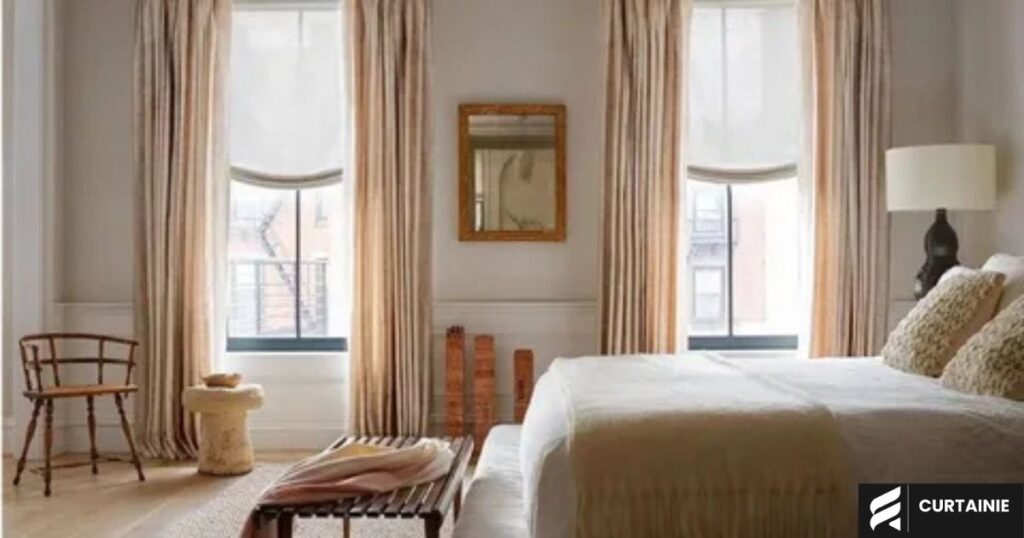
The Enduring Appeal of Pinch Pleat Curtains
So, what is it about these curtains that keeps them at the top of interior designers’ wish lists decade after decade? The secret lies in their ability to bridge the gap between historical luxury and modern functionality.
What Defines a Pinch Pleat
At its core, a pinch pleat is defined by a construction technique where the fabric at the top header of the curtain is gathered into tight, uniform folds (or “fingers”) and permanently stitched down at the base of the pleat. This deliberate stitching forces the rest of the curtain fabric to cascade downward in controlled, graceful columns.
By mechanically gathering the fabric at regular intervals along the header, the drapery maintains its shape permanently. You don’t have to manually fuss with the fabric every time you pull your curtains shut; the pleats ensure the fabric naturally falls into beautiful, weighted folds every single time.
Pinch Pleat Curtains at a Glance
To understand their appeal quickly, consider this snapshot of what makes pinch pleats a staple of high-end home decor:
- Tailored Sophistication: They instantly make a room look expensive and custom-made.
- Permanent Uniformity: The folds stay crisp and beautifully spaced whether the curtains are open or closed.
- Superior Stackback: Because the fabric is tightly controlled at the top, they fold back into a remarkably neat, compact profile when pulled to the side, maximizing your incoming natural light.
- Versatility: They pair beautifully with ornate wooden drapery rings, sleek motorized smart-tracks, or hidden ceiling channels.
Understanding the Anatomy of Pinch Pleat Curtains
To choose the perfect window treatments for your home, it helps to understand exactly how they are engineered. Custom drapery is as much a science as it is an art form.
Fullness and Flow: The Fabric Ratio
When buying standard, flat curtain panels, people often buy just enough fabric to cover the width of the window frame. If you do that, your curtains will look like a flat, taut sheet when closed. Pinch pleat curtains avoid this completely through a concept known as fabric fullness.
Because the fabric is drawn together and stitched at the top, a pinch pleat panel requires significantly more fabric than the actual width of your window. The standard fullness ratios used by professional workrooms are:
- 2.0x Fullness: The fabric width is exactly double the width of the window track. This offers a clean, lighter, more casual appearance.
- 2.5x Fullness (The Industry Standard): This is the sweet spot for luxury. It uses two and a half times the window width in fabric, creating deep, luxurious, rolling folds that look rich without feeling overwhelmingly heavy.
- 3.0x Fullness: Reserved for ultra-luxury spaces, grand historic homes, or very lightweight sheer fabrics. It creates an incredibly dense, opulent look.
Key Terms You Should Know
Before shopping or speaking with a designer, familiarize yourself with these foundational drapery terms:
- Header: The stiffened upper border of the curtain where the pleats are constructed.
- Buckram (or Crinoline): A stiff, heavy cotton or synthetic mesh fabric sewn inside the curtain header. It gives the pleats their rigid, upright structure and prevents the top of the curtain from sagging under its own weight.
- Drapery Hooks: Heavy-duty, sharp metal pins inserted into the back of each pleat. These hooks slide directly into the eyelets of your drapery rings or track carriers.
- Return: The distance from the front of the curtain rod back to the wall. The curtain “returns” around the corner of the hardware to block light leaks from the side.
- Overlap: The section where the two central panels meet and cross over each other when closed, preventing any light gaps in the middle of the window.
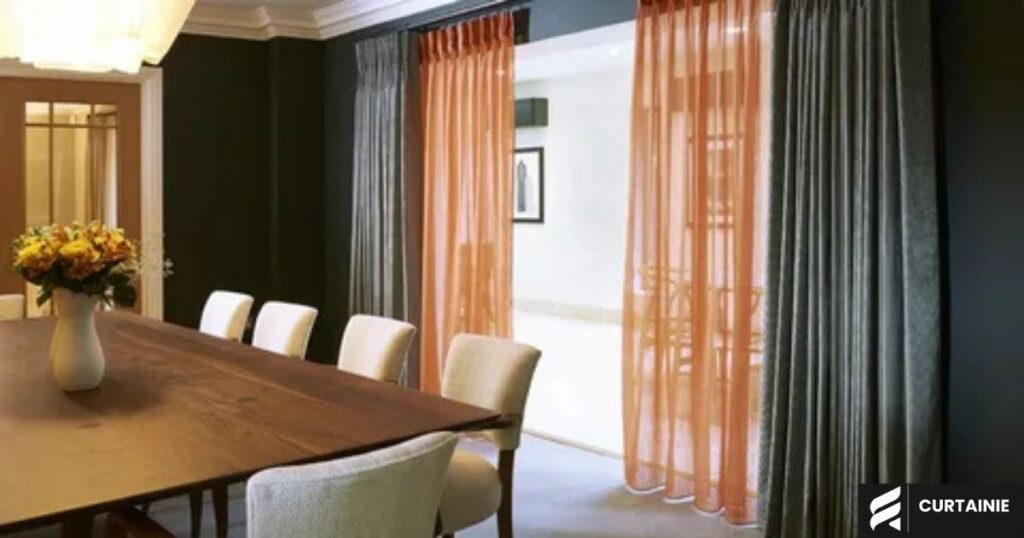
Choosing Your Pinch Pleat Style
Not all pinch pleats are created equal. Depending on how many folds are stitched together and where they are secured, you can completely alter the vibe of your room from traditional opulence to crisp contemporary minimalism.
Classic Two and Three-Finger Pleats
These are the traditional powerhouses of custom drapery.
- The Three-Finger Pinch Pleat (Triple Pleat): This is the absolute classic. Three distinct folds of fabric are pinched together at the base of the header, fanning out beautifully at the top. It looks incredibly plush, elegant, and formal. It is perfect for formal dining rooms, grand primary bedrooms, and historic estates.
- The Two-Finger Pinch Pleat (Double Pleat): A slightly more streamlined variation. Two folds of fabric are pinched together instead of three. This style uses slightly less fabric, offering a slightly less formal, cleaner look while still maintaining that sought-after tailored structure. It’s an excellent choice for modern farmhouse styles or casual living rooms.
The Modern Euro Pleat
If your home leans toward a modern, Scandinavian, or transitional aesthetic, the Euro Pleat (sometimes called a Parisian pleat or top-tacked pleat) is your best friend.
Unlike the classic pinch pleat—where the fabric is stitched together a few inches below the top of the header—the Euro pleat is pinched and stitched right at the very top edge of the header. The fabric then cascades downward in a looser, more fluid, inverted V-shape. This creates an incredibly sleek, un-fussy, and contemporary silhouette that looks effortless yet impeccably tailored.
Comparing Popular Pinch Pleat Styles
| Pleat Style | Number of Folds | Stitch Position | Overall Vibe | Best Suited For |
| Three-Finger (Triple) | 3 Folds | 4–6 inches below top | Traditional, Opulent, Formal | High ceilings, formal dining rooms, historic homes |
| Two-Finger (Double) | 2 Folds | 4–6 inches below top | Tailored, Balanced, Versatile | Modern farmhouse, transitional living spaces |
| Euro Pleat | 2 or 3 Folds | At the exact top edge | Sleek, Modern, Minimalist | Contemporary apartments, Scandinavian design |
The Pros and Cons of Pinch Pleat Curtains
While pinch pleat curtains are widely considered the gold standard of window treatments, it is important to weigh their benefits and potential drawbacks before making an investment.
The Advantages: Timeless Style and Modern Function
- Unmatched Elegance: No other curtain style matches the architectural beauty and tailored look of a well-made pinch pleat.
- Flawless Functionality: Because they hang from independent hooks on rings or tracks, they glide open and closed with minimal effort. They are highly compatible with modern home automation and motorized drapery tracks.
- Enhanced Insulation: When paired with a high-quality blackout or thermal lining, the deep, structured folds trap air effectively, helping regulate indoor temperatures and lower energy bills.
- Visual Height: The strong vertical lines of the pleats draw the eyes upward, making your ceilings feel significantly taller than they actually are.
The Disadvantages: Cost and Styling Constraints
- Higher Initial Cost: Because they require up to 2.5 times more fabric than standard curtains and involve labor-intensive stitching, they are more expensive upfront.
- Strict Hardware Requirements: You cannot simply slide these onto a cheap tension rod. They require sturdy drapery rods with rings, or dedicated drapery tracks, along with individual metal drapery hooks.
- Precise Maintenance: You cannot simply throw a buckram-stiffened, pleated curtain panel into a standard washing machine. They generally require professional dry cleaning to keep the headers from losing their structural integrity.
How to Measure for a Perfect Fit
Because pinch pleat curtains are tailored to hang beautifully, precise measurements are mandatory. A generic estimate will result in curtains that drag awkwardly on the floor or leave awkward gaps. Grab a steel tape measure and follow these three steps.
[ Track / Pole Total Width ] + [ Left/Right Returns & Overlaps ] = Total Finished Drapery Width
[ Hook Eyelet Drop ] down to [ Floor / Desired Bottom Hem ] = Total Finished Drapery Length
Step 1: Measure the Width
Do not measure the window glass itself; measure the width of your curtain rod or track.
- If using a standard rod, measure from one end cap (finial) to the other.
- Add about 6 to 8 inches to your total width calculation to account for the returns (the fabric wrapping around the bracket to the wall) and the overlap where the panels meet in the middle.
Step 2: Determine the Length
Decide where you want your curtains to end. In 2026, the most popular style is “floor-skimming,” where the curtain hovers exactly $\frac{1}{4}$ inch above the floor.
- Measure from the eyelet ring (the little loop at the bottom of your curtain ring or track carrier) down to the floor.
- If you want a more romantic, traditional look, add 1 to 2 inches to your measurement to allow the fabric to gently “puddle” or kiss the floor.
Step 3: Account for Hardware
Remember that the top of your curtain header will sit slightly below or right at the bottom of your drapery rings. Always measure from the precise point where the drapery hook will sit, rather than the top of the rod itself, to ensure your length calculation is perfect.
A Brief History of Window Dressings
To truly appreciate the engineering of modern pinch pleats, it is fun to look back at how humans have dressed windows over the centuries.
From Hides to Handlooms
In ancient times, window coverings had nothing to do with aesthetics. Early humans used animal hides, heavy wool skins, and woven reeds crude nailed over structural openings to keep out howling winds, dust, and rain. As weaving technology advanced in ancient Egypt and Rome, lightweight linens and luxurious silks emerged, but they were reserved exclusively for royalty and hung loosely over openings without any formal structure.
The Industrial Revolution’s Impact
The concept of highly tailored, pleated drapery truly exploded during the Industrial Revolution. With the invention of automated looms, high-quality textiles became accessible to the rising middle class.
During the Victorian era, interior decor became a status symbol. Homes featured heavy, multi-layered window dressings with elaborate swags, valances, and hand-stitched pleating to showcase wealth. Over the 20th century, these overly fussy Victorian layers were stripped away, leaving behind the clean, structurally engineered pinch pleat we know today—a perfect marriage of industrial-era textile precision and elegant modern design.
Read More ; advantages pinch pleated curtains
( FAQS )
Can you hang pinch pleat curtains on a standard curtain rod?
Yes, but you must slide drapery rings onto the rod first and hook the curtain pins directly into the eyelets of those rings.
How far apart should pinch pleat hooks be spaced?
Pinch pleat hooks are typically spaced every 4 to 6 inches along the back of the header to prevent sag.
Do pinch pleat curtains need to be ironed or steamed after installation?
Yes, new curtains should be gently steamed from top to bottom to help the fabric relax into its natural folds.
What is the best fabric choice for a crisp pinch pleat look?
Medium-to-heavyweight fabrics like linen blends, cotton velvet, and tight faux-silks hold the crisp shape of a pleat beautifully.
Can I use a pocket rod curtain panel to make a pinch pleat?
No, true pinch pleats require an integrated stiff buckram header and permanent pleat stitching to achieve their signature look.
Conclusion
As home design trends in 2026 lean heavily into intentional, well-crafted spaces, window treatments are no longer an afterthought. They are the frame that ties a room together. Pinch pleat curtains offer a level of architectural structure and timeless luxury that off-the-rack alternatives simply cannot mimic.
While they do require a higher upfront investment in fabric, sturdy hardware, and precise installation, the visual payoff is unmatched. By understanding the anatomy of a pleat, choosing the style that fits your home’s aesthetic—whether that is a traditional three-finger fold or a sleek modern Euro pleat—and measuring with care, you can completely transform your living space. Investing in pinch pleats means choosing a sophisticated, custom-tailored look that will beautifully elevate your home for years to come.