
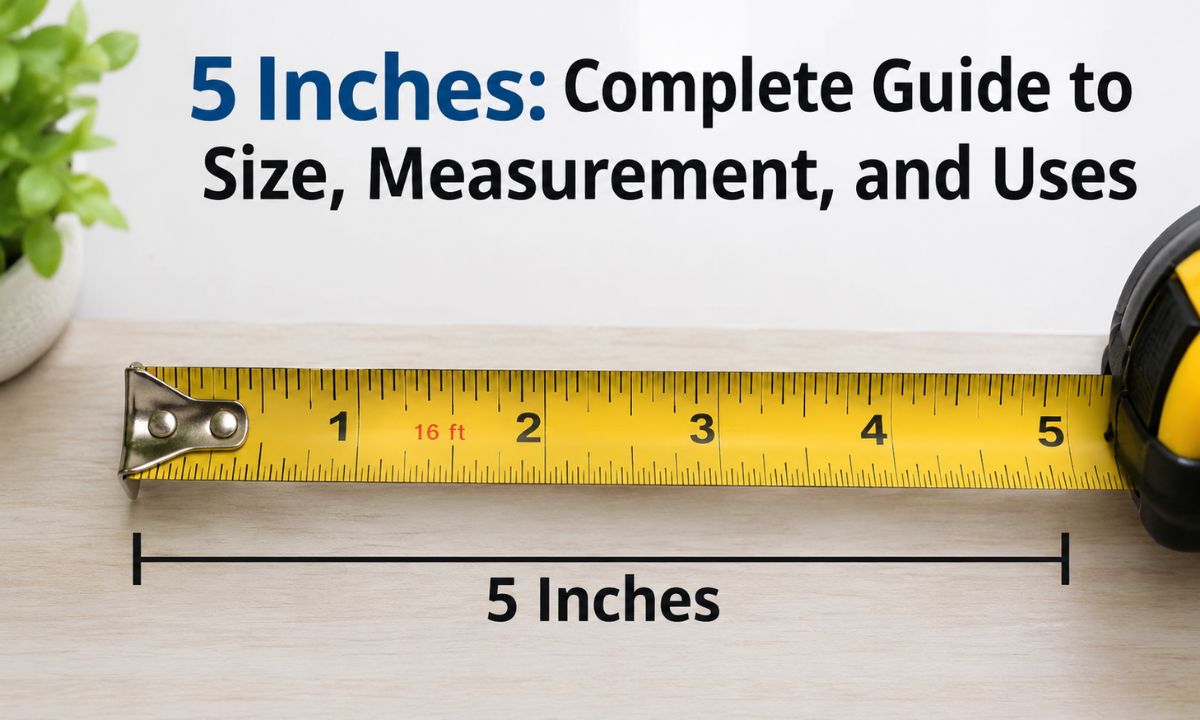
Five inches is 12.7 centimeters, or 127 millimeters. That’s about the long edge of a standard index card, a compact computer mouse, or a small pocket comb. You meet this size every day, yet it’s surprisingly hard to picture without a ruler in your hand.
This guide shows you exactly how long 5 inches is, how it compares to your hand, and which household objects match it. You’ll also get a conversion table and a few quick ways to measure it when no ruler is around.
How Long Is 5 Inches, Exactly?
5 inches equals exactly 12.7 centimeters. The inch is defined as 2.54 cm, so the math is simple: 5 × 2.54 = 12.7. Anyone who rounds that up to 13 cm adds three millimeters that don’t exist, which can matter when parts or panels have to fit.
Here are the same length in other units:
- Millimeters: 127 mm
- Centimeters: 12.7 cm
- Meters: 0.127 m
- Feet: about 0.4167 ft (5 ÷ 12)
- Yards: about 0.1389 yd (5 ÷ 36)
In short, 5 inches is a little more than a third of a foot. Two of them make 10 inches, and a 12-inch ruler holds 2.4 of them.
What Does 5 Inches Look Like on Your Hand?
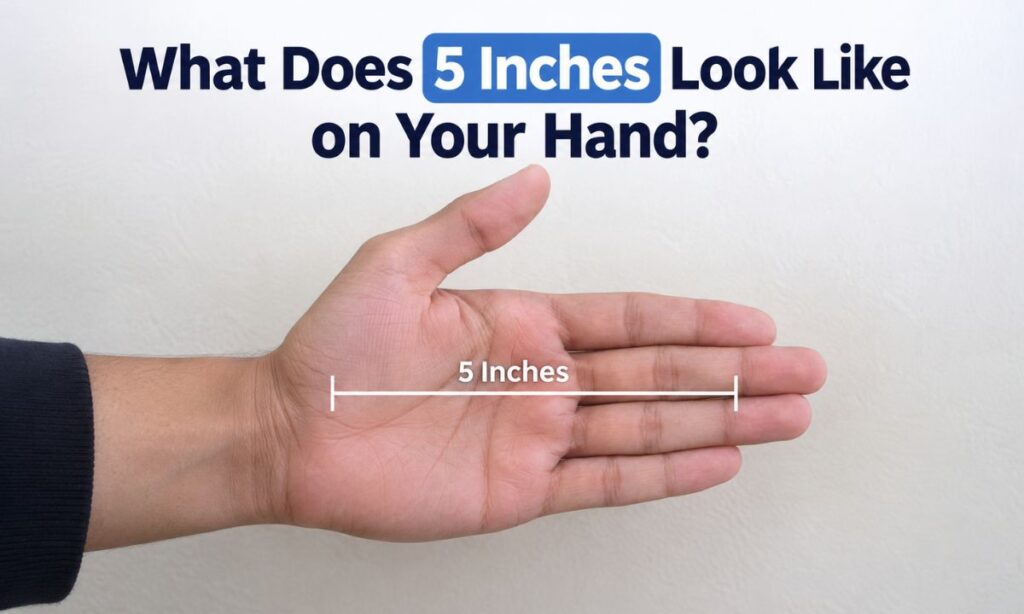
Your hand is the handiest ruler you own, though it isn’t a precise one. Adult hands vary a lot, so treat these as rough guides and check them against a real ruler once.
For most adults, 5 inches is about the length of the middle finger plus half the palm. Four fingers held side by side usually span around 3 to 3.5 inches, so 5 inches is about one and a half times that width. Your thumb is about an inch wide at the knuckle, which makes five thumb-widths a decent quick estimate.
A full adult hand, from the wrist crease to the tip of the middle finger, typically measures 6.5 to 7.5 inches. That means 5 inches is about two-thirds to three-quarters of your hand length. Hold your hand flat, picture the last quarter missing, and you’re close.
Try this once: measure your own middle finger and palm against a ruler, then remember the number. After that, your hand becomes a reliable reference for 5 inches compared to a hand.
Read More Measurement : How Long Is 5 Inches
Quick Reference Table
Bookmark this table for fast conversions. It covers 5 inches and its close neighbor, 7 inches.
| Unit | 5 inches | 7 inches |
| Millimeters (mm) | 127 | 177.8 |
| Centimeters (cm) | 12.7 | 17.78 |
| Meters (m) | 0.127 | 0.1778 |
| Feet (ft) | 0.4167 | 0.5833 |
| Yards (yd) | 0.1389 | 0.1944 |
5 inches to cm:
multiply by 2.54 and you get 12.7 cm. Dividing 12.7 by 2.54 takes you back to 5.
5 inches on a ruler:
count five full inch marks from zero and ignore the smaller ticks. On the metric edge, the same spot lands 7 mm past the 12 cm line.
5 inches symbol:
the inch mark is a double prime (″), which most people type as a straight double quote. So you’ll see 5″, 5″ or 5 in. A single tick (‘) means feet, so 5’ is five feet, not five inches.
5 by 7 inches:
this is a classic photo, print and greeting-card size. It works out to 12.7 × 17.78 cm. A lone 7 inches is 17.78 cm, or about 0.58 ft.
13 Everyday Objects That Are About 5 Inches Long
Few objects hit 5 inches exactly, so each entry notes how close it gets. Brands and models differ, which means a quick check with a ruler is always worth it.
1. Standard Index Card
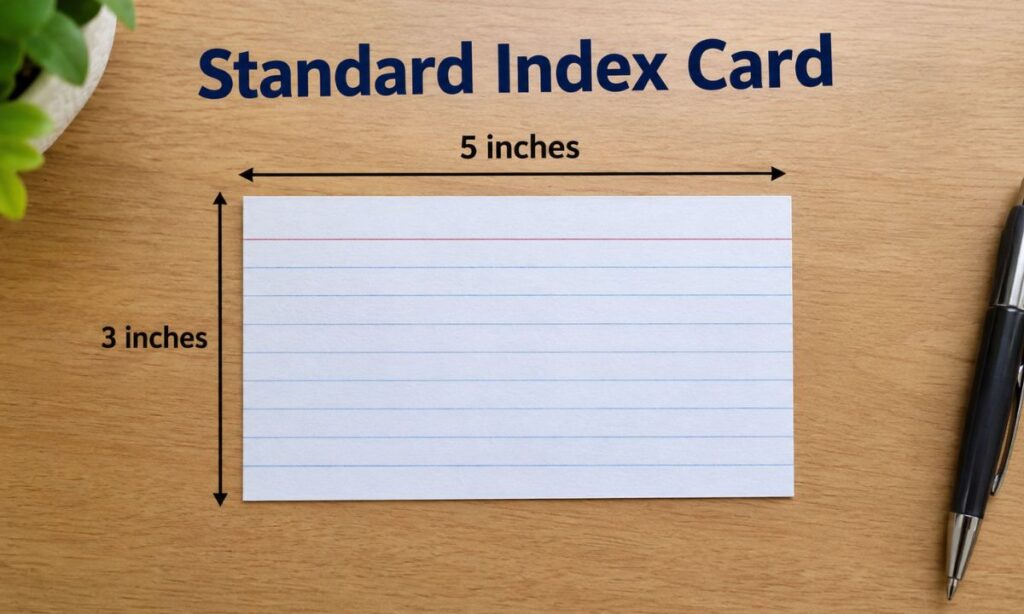
The 3 × 5 index card is the cleanest match on this list. Its long edge is exactly 5 inches (12.7 cm), and the short edge is 3 inches. Keep one in your desk drawer and you own a dependable reference.
2. Computer Mouse
Most office mice run about 4 to 5 inches from tail to tip, with compact travel models on the shorter side. If yours is close to 5, it’s a handy desk-side yardstick.
3. Small or Compact Smartphone
Compact phones like the iPhone SE are about 5.4 inches tall, just over the mark. Remember that a “5-inch screen” is measured corner to corner, so the phone itself is usually longer than 5 inches.
4. Standard Soda Can
A 12-ounce can stands roughly 4.83 inches tall, only a fraction under 5. It’s one of the easiest objects to grab for a fast visual check.
5. Nail File
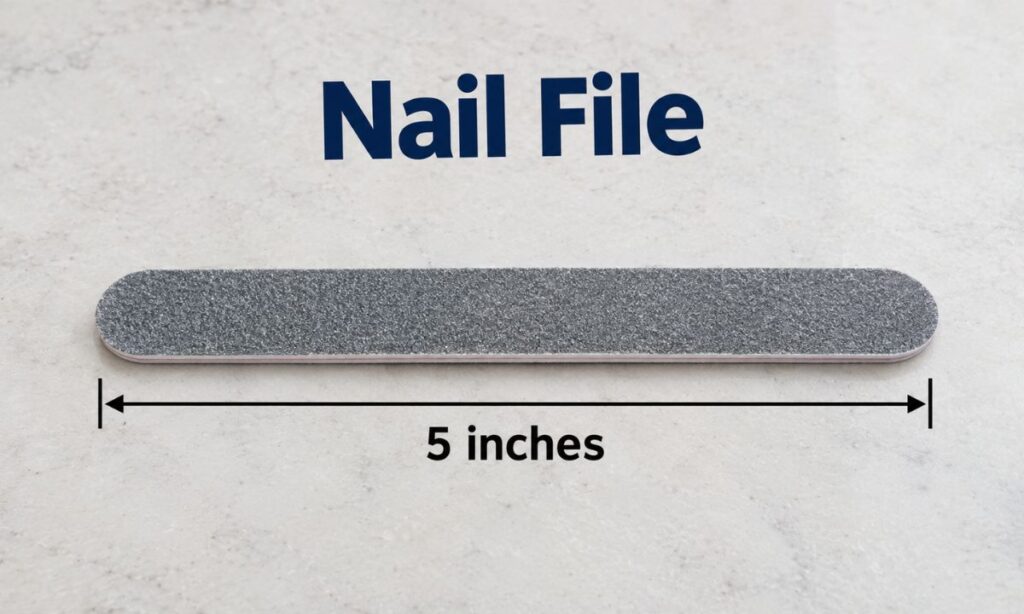
Purse-size nail files often come in around 5 inches, while full-length ones stretch to 6 or 7. The packaging usually lists the length, so you can confirm before relying on it.
6. Pocket or Travel Comb
Many pocket combs are designed to slip into a back pocket and land near 5 inches. If you already carry one, you carry a pocket-sized reference too.
7. Teaspoon
A typical teaspoon measures about 5.5 to 6 inches, so it runs slightly long. Picture trimming half an inch off the handle and you’ve got 5.
8. Five Paper Clips Lined Up
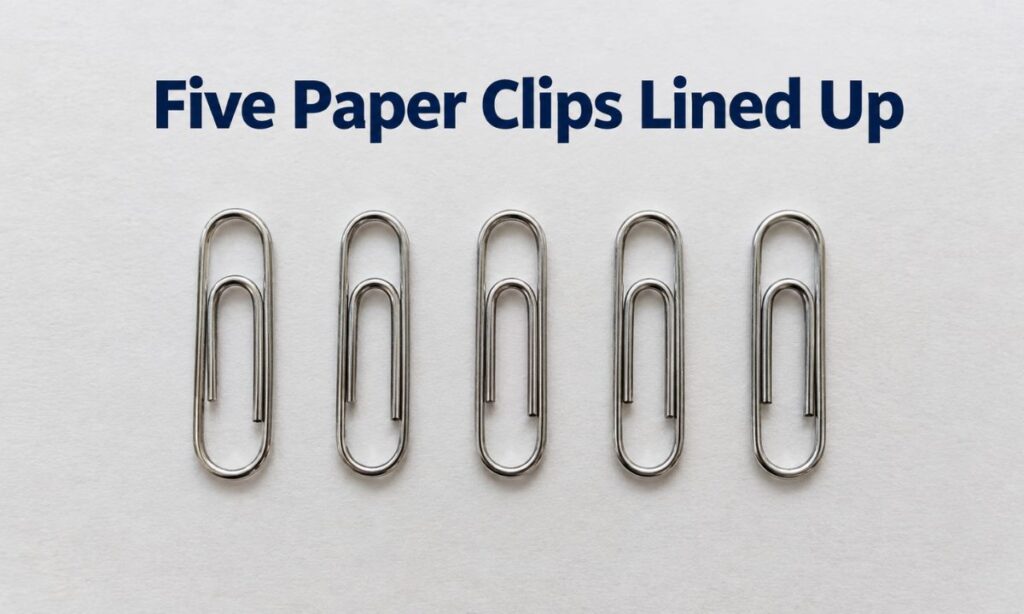
Small paper clips are about an inch long. Lay five end to end and they span roughly 5 inches. Skip jumbo clips, which are noticeably longer.
9. Travel or Foldable Toothbrush
Folding travel toothbrushes tuck their handles away and often measure around 5 inches when closed. Lengths vary by brand, so treat this one as an estimate.
10. Small Grooming Comb (Wide-Tooth Style)
Small wide-tooth combs, the kind used for beards or detangling, commonly run about 5 inches. They sit comfortably in the palm, which makes the size easy to feel.
11. USB Flash Drive (Larger Designs)
Most flash drives are only 2 to 3 inches long. Oversized or bar-style designs, especially those with a built-in lanyard or cap, can approach 5 inches.
12. Small Pocket Notepad
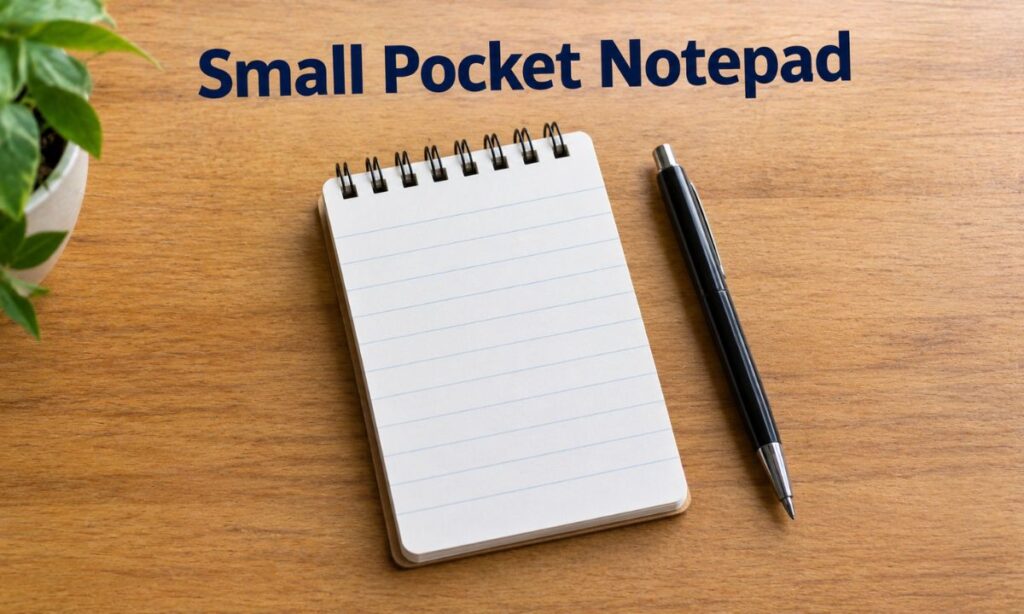
Pocket notepads are often sold in a 3 × 5 inch size, so the long side matches an index card. Check the cover, since some brands use slightly different dimensions.
13. Standard Coffee Mug
Most mugs stand 3.5 to 4.5 inches tall. Measured across, from the outer edge of the handle to the opposite rim, many land near 5 inches.
Why Knowing This Measurement Actually Matters
Five inches turns up in more places than you’d guess, and small mistakes add up fast.
- Online shopping: listings switch between inches and centimeters. Knowing that 5 inches is 12.7 cm helps you judge a phone case, wallet or planter before you pay for it.
- DIY and repairs: screws, brackets and trim are often specified in inches. Rounding 12.7 cm up to 13 can leave a gap you didn’t plan for.
- Sewing and crafts: hem depths, ribbon cuts and pattern pieces depend on accurate lengths.
- Packing and shipping: when a box sits near a carrier’s size limit, a few millimeters can matter.
- Gardening: many starter pots are around 5 inches wide or deep, and seed packets often give planting depths in inches.
- Photos and prints: 5 × 7 frames and cards are everywhere, and knowing the size avoids a bad fit.
How to Measure 5 Inches Without a Ruler
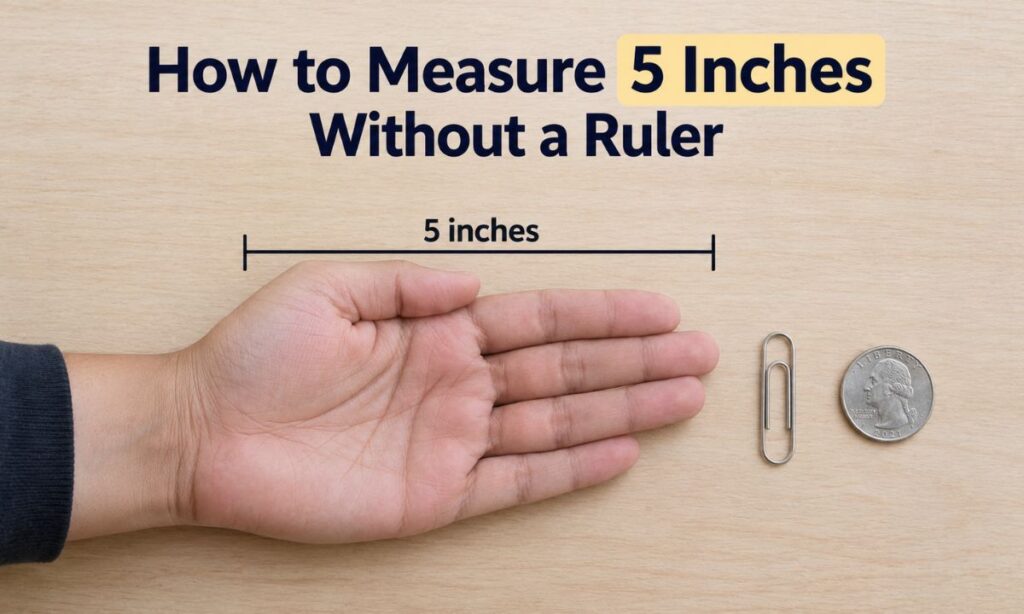
No ruler nearby? Try one of these quick methods:
- Use an index card. The long edge of a 3 × 5 card is exactly 5 inches.
- Line up five quarters. A US quarter is about 0.95 inch across, so five side by side measure roughly 4.8 inches.
- Fold a dollar bill. It’s 6.14 inches long, so folding in a little over an inch at one end leaves about 5.
- Stand a soda can beside the object. At 4.83 inches tall, it’s just shy of the mark.
- Mark it on paper or string. Pinch or mark your estimate, then check it later against a ruler. You’re aiming for 12.7 cm.
- Use your hand. After checking it once against a ruler, your middle finger plus half your palm can serve as a pocket reference.
These tricks are fine for estimating. For cutting, drilling or ordering parts, grab a real ruler or tape measure.
Read More Measurement : How Long Is 5 Inches
FAQs
How long is 5 inches in cm?
5 inches is exactly 12.7 cm, or 127 mm.
How many feet is 5 inches?
About 0.4167 feet, which is 5/12 of a foot.
What common object is exactly 5 inches long?
The long edge of a standard 3 × 5 index card measures exactly 5 inches.
Is a 5-inch phone screen 5 inches tall?
No. Screen sizes are measured diagonally, so the phone body is usually taller than 5 inches.
What is the symbol for inches?
The inch symbol is the double prime (″), often typed as a straight double quote (“), or you can write “in.”
Final Thoughts
Five inches is 12.7 centimeters, a little over a third of a foot, and the same as the long side of an index card. Tie that length to something you handle every day, like a card, a can or your own hand, and you’ll size things up faster and avoid costly mismeasurements.
For anything that has to fit, drilling, cutting or ordering included, confirm with a ruler. For everything else, you now have 13 solid reference points in your pocket.