
The Most Transformative Window Treatment You Will Ever Hang
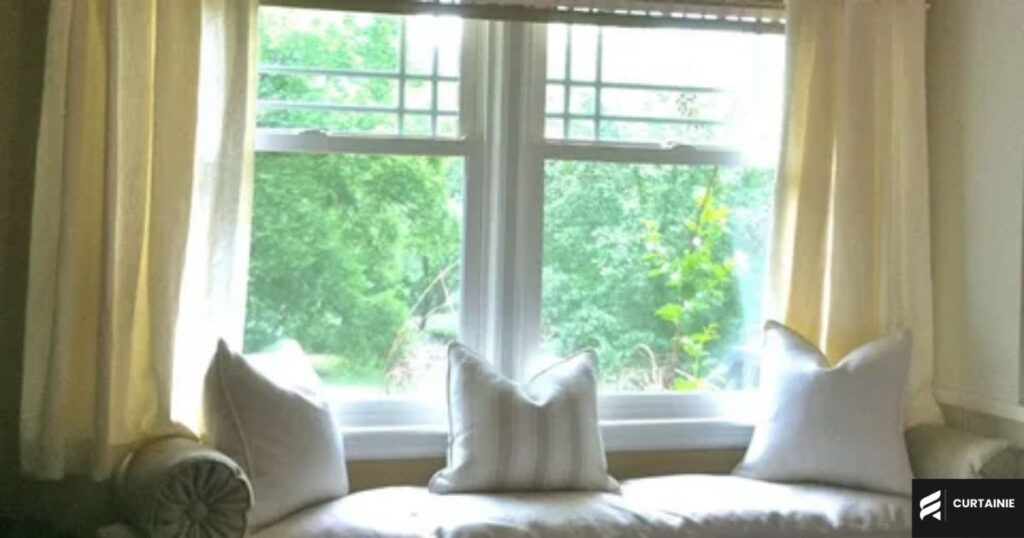
There is a moment — familiar to every interior designer and passionate homeowner alike — when a room crosses the invisible threshold from merely decorated to genuinely magnificent. More often than not, that transformation happens the instant floor to ceiling extra long drapes sweep into place. No other single element commands a space with such authority. No other treatment simultaneously makes walls taller, rooms wider, light softer, and atmosphere richer in one sweeping gesture. This curtain chronicle is your comprehensive guide to understanding, selecting, measuring, installing, and styling the most dramatic window treatment available to any interior.
Understanding the Visual Power of Extra Long Drapes
Height is the most underutilized design tool in residential interiors. Most homeowners think horizontally — arranging furniture, choosing rugs, positioning artwork — while neglecting the extraordinary vertical canvas their walls represent. Floor to ceiling drapes correct this oversight immediately and decisively.
When fabric travels uninterrupted from the uppermost point of a wall down to the ground, the eye follows that journey and perceives the ceiling as higher than it physically measures. This optical illusion is not subtle — it is genuinely dramatic. Rooms that feel average in proportion suddenly read as grand, considered, and architecturally significant.
Beyond perception, extra long panels absorb sound, reduce drafts, insulate against temperature fluctuation, and create a sense of enclosure that feels simultaneously cozy and expansive. They are among the most functional decorative investments a homeowner can make.
Standard vs. Extra Long: What Lengths Actually Mean
The curtain industry categorizes panel lengths in standard increments, and understanding these distinctions prevents expensive purchasing mistakes.
Standard lengths — 63, 84, and 96 inches — suit windows of average proportion when rods are mounted at conventional heights directly above the frame. These work adequately in typical constructions but fall short, literally and figuratively, of the dramatic effect that defines truly exceptional interiors.
Extra long lengths — 108, 120, and 144 inches — are specifically engineered for high-ceiling environments, for installations where the rod mounts at or near the ceiling line, and for the deliberate puddle effect where fabric pools generously on the floor. Specialty retailers carry panels reaching 240 inches for genuinely extraordinary architectural spaces.
The key principle: always size up rather than down. A panel that falls even slightly short of the floor looks unintentional. A panel that grazes, touches, or puddles at the hem looks deliberate and sophisticated regardless of the fabric’s price point.
Choosing the Perfect Fabric for Extra Long Panels
When fabric travels the full height of a wall, every quality — weight, drape, sheen, texture — is amplified enormously. A fabric that reads as pleasant in a small swatch reveals its true character only when it hangs in long, uninterrupted columns.
Velvet
No fabric commands a room with the authority of velvet. Its pile absorbs light rather than reflecting it, creating depth and richness that reads as genuinely luxurious from across a room. Extra long velvet panels in jewel tones — sapphire, emerald, burgundy, charcoal — transform ordinary rooms into cinematic spaces. Velvet’s weight also ensures panels hang with exceptional straightness and stillness.
Linen
For spaces that call for relaxed sophistication rather than formal drama, linen is incomparable. Its natural irregularity and slight texture give extra long panels an organic, breathing quality. Linen panels in warm neutrals — flax, oatmeal, warm white, soft stone — suit minimalist, Scandinavian, and Mediterranean interiors with equal grace.
Silk and Faux Silk
Reflective fabrics interact with changing daylight in perpetually interesting ways. As morning light shifts to afternoon gold and then to evening warmth, silk and high-quality faux silk panels change character continuously. This quality makes them particularly beautiful in rooms that receive varied natural illumination throughout the day.
Heavyweight Cotton and Cotton-Linen Blends
For living rooms, dining rooms, and bedrooms where practical considerations balance with aesthetic ones, heavyweight cotton and blended fabrics offer the ideal compromise. They launder more easily than velvet or silk, maintain their structure without excessive weight, and come in the broadest possible range of colors and patterns.
Sheer and Semi-Sheer Fabrics
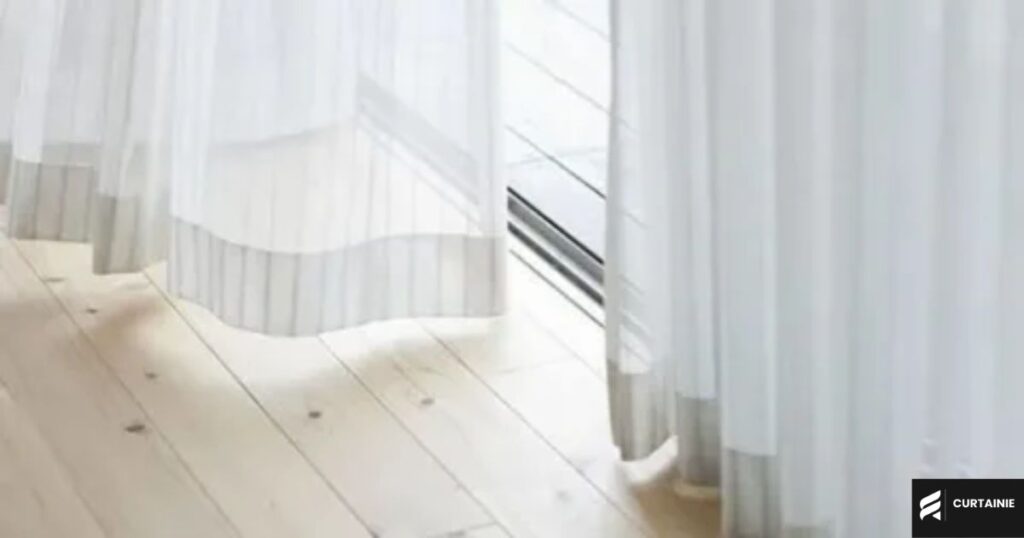
Extra long sheers create an effect entirely distinct from heavier alternatives — they diffuse light into soft, ambient luminescence while allowing the architectural drama of ceiling-height installation to remain fully expressed. Layering sheer panels behind opaque ones gives complete flexibility between open airiness and complete privacy.
Measuring for Floor to Ceiling Extra Long Drapes
Precision in measurement is non-negotiable when ordering extra long panels. Errors that might be forgiven in shorter installations become glaring at greater lengths.
Determining Rod Height
For true floor to ceiling impact, position the rod bracket as close to the ceiling as physically possible — ideally within two to four inches of the ceiling line. In rooms with crown molding, mount the bracket just below the molding rather than above it.
Calculating Panel Length
Measure from the bottom of the rod (not the top of the bracket) to the floor. This measurement forms your base length. Then add the following depending on your desired hem style:
- Grazing: Add half an inch. The hem barely kisses the floor, creating a clean, tailored appearance particularly suited to high-traffic areas and modern aesthetics.
- Breaking: Add one to three inches. The fabric breaks slightly at the floor like a well-tailored trouser leg — elegant and intentional.
- Puddle: Add six to sixteen inches depending on how generous you want the pool to appear. A modest puddle of six inches reads as romantic. A generous pool of sixteen or more inches creates theatrical, almost regal drama.
Panel Width
Each panel’s width should equal one and a half to two and a half times the width of the area it covers when closed. More fabric means more luxurious gathering. For extra long panels, erring toward maximum fullness prevents them from appearing flat and insufficient given their impressive height.
Hardware Built for the Weight of Extra Long Panels
Standard curtain rods rated for lightweight panels are entirely inadequate for the considerable weight that extra long, full-fabric installations generate. Selecting appropriate hardware prevents sagging, wall damage, and the particular embarrassment of hardware failure.
Heavy-Duty Curtain Rods
Rods with a diameter of one inch or greater, constructed from solid metal rather than hollow tubing, are essential for extra long installations. Center support brackets become mandatory for any rod spanning more than sixty inches — without them, even the strongest rod bows under sustained weight.
Ceiling-Mounted Track Systems
For the most seamless, architectural result, ceiling-mounted track systems eliminate the rod entirely from the visual composition. Panels appear to emerge directly from the ceiling itself, reinforcing the illusion of unlimited height. Track systems also allow panels to stack completely clear of windows when open, which is particularly valuable for maximizing natural light in rooms with smaller window openings relative to wall height.
Finial Selection
When using a visible decorative rod, the finial anchors the entire installation aesthetically. Given the scale that floor to ceiling panels introduce, finials must possess sufficient visual weight to match. Delicate, minimal finials disappear against substantial fabric. Bold geometric, sculptural, or architectural finials complete the composition with authority.
Installation Guidance for Perfect Results
Always Use Wall Anchors
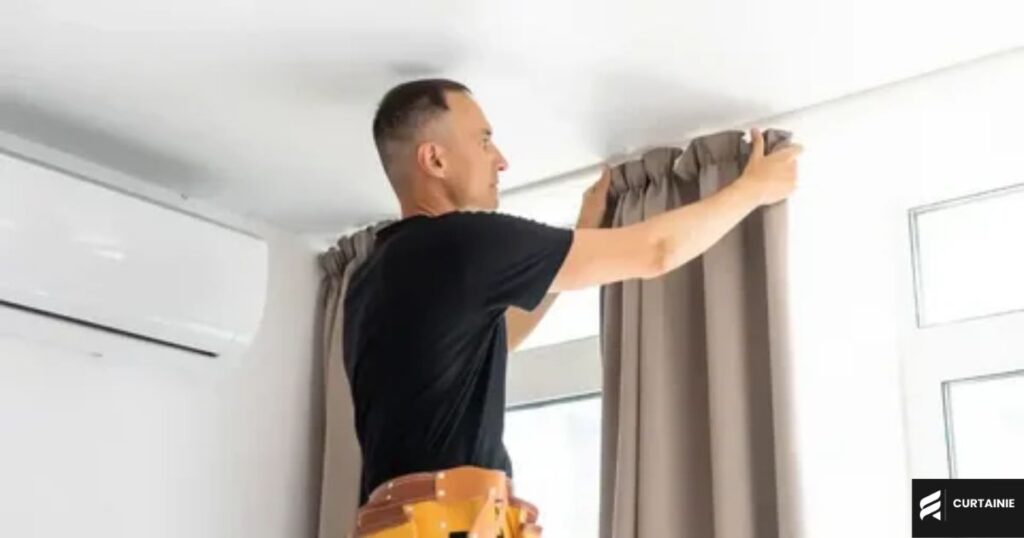
Extra long panels exert sustained, significant force on mounting hardware. In drywall installations, heavy-duty toggle anchors rated for the combined weight of rod and fabric are non-negotiable. Mounting brackets directly into wall studs provides the most secure possible installation — locate studs before drilling whenever the layout permits.
The Two-Person Rule
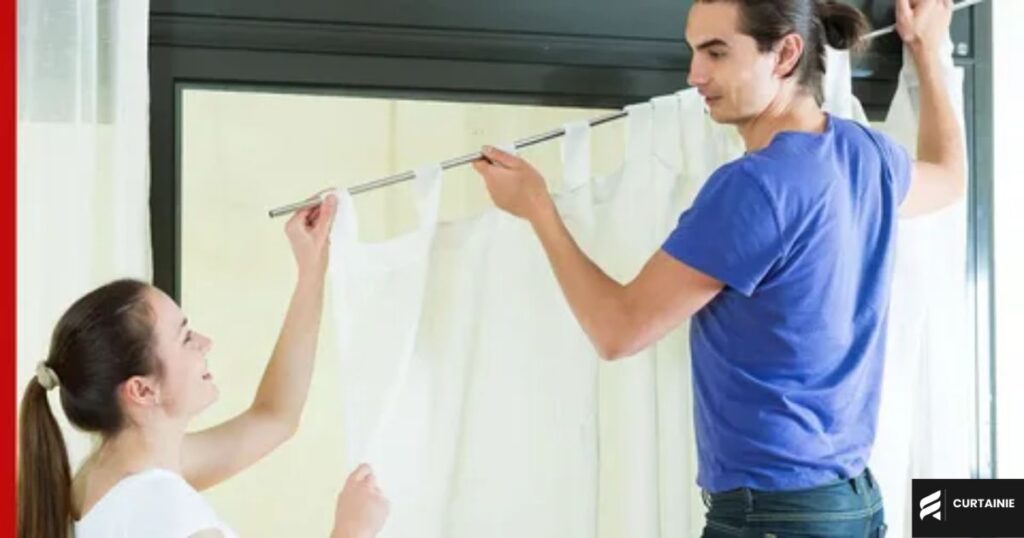
Installing ceiling-height hardware and hanging extra long panels is genuinely a two-person task. One individual maintains rod alignment while the other secures brackets. Attempting solo installation almost invariably results in misaligned hardware, dropped panels, and preventable wall damage.
Level With Absolute Precision
At standard curtain heights, a rod that deviates slightly from level is noticeable but forgivable. At ceiling height, even a two-millimeter discrepancy becomes dramatically visible because the eye has the full wall height to measure against. Use a laser level rather than a bubble level for ceiling-height installations.
Steaming Extra Long Panels
Panels arriving folded in packaging carry deep creases that gravity alone will not release within a reasonable timeframe. Steaming extra long panels before hanging — working in sections from top to hem — eliminates creasing and allows the fabric to hang in clean, uninterrupted columns from the first moment.
Styling Extra Long Drapes Across Interior Aesthetics
Grand Traditional and Classical
Heavyweight silk or velvet in deep, saturated tones — midnight navy, forest green, claret red — with full lining, decorative tiebacks in matching fabric, and substantial brass or bronze finials create the aristocratic drama that classical interiors demand. Allow a generous puddle at the hem.
Contemporary Minimalist
Matte linen or heavyweight cotton in a single neutral tone hung on a ceiling track with zero visible hardware creates extraordinary impact through restraint. The panels themselves become the architectural feature. No tiebacks, no finials, no pattern — just uninterrupted fabric from ceiling to floor.
Romantic and Bohemian
Sheer extra long panels in ivory or blush, layered behind a patterned outer panel in global-inspired print, create the layered, textural richness that bohemian interiors celebrate. Allowing a generous puddle amplifies the romantic, unhurried atmosphere.
Scandinavian and Nordic
Crisp white or warm off-white linen on a slim, barely visible rod — perhaps in brushed nickel or pale natural wood — suits the quiet restraint of Nordic design philosophy. Extra long panels in this context are less about drama and more about the serene quality of light they diffuse into the room.
Art Deco and Hollywood Regency
Metallic or sheen fabrics — champagne, gold, bronze — in extra long panels with bold geometric trim at the leading edge and hem channel the glamorous maximalism of Art Deco and Hollywood Regency aesthetics. Pair with mirrored surfaces, lacquered furniture, and statement lighting for complete period impact.
Common Mistakes That Undermine Extra Long Drape Installations
Mounting too low. The single most common and most damaging error. Positioning the rod anywhere below ceiling height negates the primary purpose of extra long panels. Every inch the rod descends from the ceiling subtracts from the perceived room height.
Insufficient panel quantity. Ordering the minimum panels necessary results in installations that appear stingy. Extra long panels require generous fullness to justify their scale. A flat, sparse installation at ceiling height looks worse than a generously gathered installation at standard height.
Ignoring lining. Unlined extra long panels in lightweight fabrics appear insubstantial and allow light to reveal uneven seams and gathering. Lining adds weight, improves hang quality, protects the decorative fabric from UV degradation, and significantly elevates the finished appearance.
Neglecting floor protection. Puddle-length panels accumulate dust and debris at the hem rapidly, particularly on hard floors. Using a soft brush attachment to gently clean the hem area weekly prevents permanent soiling of what is often the most visible portion of the panel.
Wrong scale hardware. Slim, lightweight rods beneath substantial, extra long panels create an immediate sense of visual imbalance. Hardware must match the visual weight of the fabric it supports.
Caring for Extra Long Panels Over Time
The sheer scale of extra long panels makes routine maintenance more involved than standard window treatments, but the effort is proportional to the visual reward they deliver.
Regular steaming keeps panels looking freshly installed without requiring removal. A handheld steamer used monthly prevents the gradual accumulation of wrinkles that makes even expensive fabric look neglected.
Rotation is worthwhile for panels receiving asymmetric sunlight exposure. Rotating panels between windows that receive differing light levels prevents uneven fading over years of use.
Professional cleaning is strongly recommended for velvet, silk, and heavily lined extra long panels. Their scale makes home laundering impractical and their fabrics typically require specialist handling to preserve texture and structure.
Hem inspection on puddle-length panels should happen seasonally. Foot traffic and cleaning can gradually damage or soil the hem. Addressing minor wear early prevents deterioration that eventually requires full panel replacement.
Read More: curtain chronicles short curtains for small windows
Frequently Asked Questions
Q1: What is the minimum ceiling height needed to justify floor to ceiling extra long drapes?
Any ceiling height above eight feet benefits visually from ceiling-mounted extra long panels, though rooms with nine feet or higher experience the most dramatic transformation.
Q2: Can extra long drapes be used in rooms without windows reaching the ceiling?
Absolutely — mounting the rod at ceiling height above a standard window is the precise technique designers use to visually enlarge windows and elevate room proportions.
Q3: How do I stop extra long panels from bunching unevenly at the floor?
Training the fabric by folding it into neat pleats at the floor and leaving it undisturbed for several days sets a permanent, even arrangement that maintains itself over time.
Q4: Are ceiling-mounted track systems difficult to install compared to standard rod brackets?
Track systems require more precise ceiling measurement and anchoring than standard rods, but most homeowners with basic tools complete the installation successfully within a few hours.
Q5: What is the best way to handle extra long sheer panels that cling together with static?
Lightly misting the fabric with a diluted fabric softener solution and allowing it to air dry eliminates static cling and keeps sheer panels hanging in clean, separated columns.
Final Thoughts
The curtain chronicles of truly exceptional interior design return repeatedly to one undeniable conclusion: scale is the difference between a room that impresses and a room that astonishes. Floor to ceiling extra long drapes operate at the scale of architecture itself — they do not merely decorate a window but redefine the entire vertical dimension of a room. From the choice of fabric and the precision of measurement to the weight of hardware and the generosity of the puddle, every decision compounds into a result that transcends decoration entirely. Invest thoughtfully in each element, hang your panels with precision and patience, and step back to witness one of the most powerful transformations available to any interior space.