
Short Answer: No — valances are not out of style in 2026. But the old versions are. Today’s valances are cleaner, lighter, and more intentional. Used correctly, they add a polished, modern finish to any window — especially in kitchens.
What Are Valances?
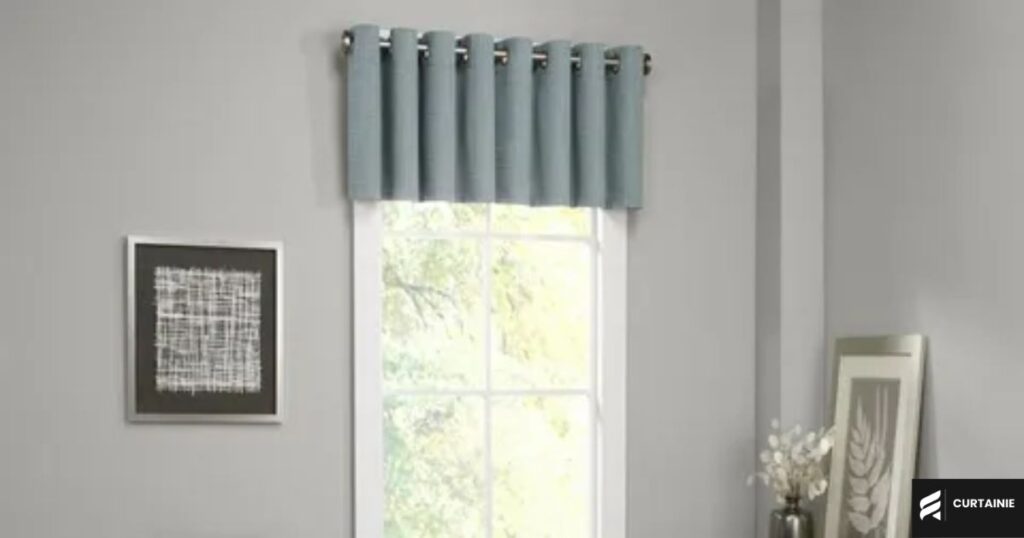
A valance is a short window treatment that covers only the top portion of a window. It can be used alone or paired with blinds, shades, or full-length curtains. Its main job is to frame the window, hide hardware, and add a finished, polished look to the room.
Valances come in many styles — from rod-pocket and box pleat to tailored and cornice-style. The key is picking the right one for your space.
Are Valances Still In Style in 2026?
Yes — but with an important condition: how you use them matters everything.
The heavy, ornate, Victorian-style valances of the past do feel dated. But modern valances — clean-lined, lightly structured, and made from quality fabrics — are very much in style in 2026. Interior designers today are putting them over woven shades, Roman blinds, and layered treatments to add dimension without bulk.
The difference is intention. A valance that looks tailored and purposeful reads fresh. One that looks like it belongs in your grandmother’s living room, complete with swags and fringe, reads as dated.
How Valances Have Evolved Over the Years
Valances started as symbols of wealth in Victorian homes — heavily draped, ornately patterned, and built to impress. The more fabric, the better.
That era is long gone.
Today’s valance is the opposite: minimal, functional, and refined. The shift mirrors the broader direction of interior design — less clutter, more intentionality. Modern valances serve as the “top trim” of a window: a small detail that completes the look without overwhelming it.
Key shifts over the decades:
- Victorian era: Heavy swags, fringe, dark fabrics, purely decorative
- 1980s–90s: Floral patterns, layered valances, country-style aesthetics
- 2000s–2010s: Gradual move toward simpler shapes, lighter fabrics
- 2020s–2026: Minimalist silhouettes, natural textures, clean lines, layered with other treatments
Valances in Kitchen Design — 2026 Trends
The kitchen is where valances shine the most in 2026. Here’s why: kitchen windows often need style without bulk. You want light, air, and function — but you also want the window to look finished.
A well-chosen kitchen valance gives you all of that.
What’s Working in 2026 Kitchen Valances:
- Natural fabrics — linen, cotton, and woven textures that feel organic
- Café-style valances — inspired by Parisian interiors, simple and structured
- Bold but simple patterns — geometric prints, stripes, and subtle botanicals
- Layered look — valance over a woven wood shade or roller blind
- Neutral and earthy tones — cream, warm white, sand, and clay
What to Avoid in Kitchen Valances:
- Ruffled or tiered styles with too much volume
- Matching valance-and-curtain sets in the same loud fabric
- Swag-style valances (very dated)
- Synthetic fabrics that look cheap under natural light
How to Choose the Right Valance
1. Match Your Kitchen’s Overall Style
A farmhouse kitchen suits a simple linen valance. A modern kitchen does better with a structured, tailored cornice-style valance. A traditional kitchen can handle a box pleat in a quality cotton or jacquard.
The rule: the valance should feel like it belongs — not like it was added as an afterthought.
2. Get the Height and Width Right
This is the most common mistake. A valance hung too low blocks light and makes the window feel small. Hung too high, it looks disconnected.
Best practice: Hang the valance rod 2–4 inches above the window frame. Width should extend 2–3 inches beyond the frame on each side for a fuller, more finished look.
3. Choose the Right Rod
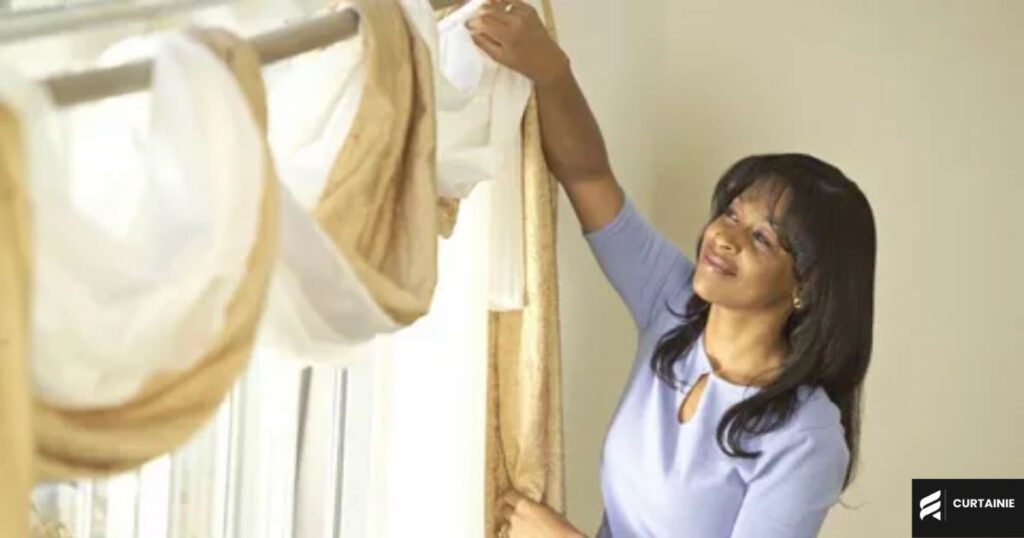
The rod matters more than most people think. A decorative rod with finials adds style. A simple tension rod is fine for lightweight fabric. For heavy structured valances, use a proper curtain rod with wall brackets for support.
4. Mix Patterns Thoughtfully
If your kitchen already has a patterned backsplash or wallpaper, go with a solid or subtly textured valance. If the room is mostly solid, a valance with a pattern adds interest. The key is a shared color palette that ties everything together
Dated Window Treatments to Avoid in 2026
If your window treatments are making your room feel stuck in time, here are the main culprits:
Swags and Tails
These were elegant in their era — but that era is over. The soft, draped fabric that hangs to a low point in the center of a window now reads as old-fashioned. Most interior designers today say swags and tails won’t be coming back.
Heavy, Dark Drapery
Thick, light-blocking curtains that make rooms feel like caves are out. Modern homes want light, air, and warmth. Even if you need blackout functionality, there are lighter, more contemporary options available.
Matching Valance + Curtain Sets in the Same Loud Fabric
When the valance and curtains are cut from the same busy textile, the whole window feels heavy and dated — especially in kitchens. Mix textures and keep at least one element simple.
Highly Ornate Pelmets
Pelmets and cornices can still work — but only when they’re clean and architectural. The old-style padded, fabric-covered pelmet boards with trim and fringe feel like a different century.
Functional Benefits of Valances
Beyond style, valances offer real practical advantages:
Light Management
By covering the top of the window frame, a valance softens the angle of incoming light and reduces glare — especially important in west or east-facing rooms.
Insulation
Valances add a layer of coverage around the top of a window, where drafts often enter. Paired with insulated cellular shades, this combination can reduce heat loss by up to 40% and cut heating energy costs by around 10%.
Hardware Concealment
Curtain rods, brackets, and mounting hardware are not decorative. A valance hides all of it cleanly and makes the whole setup look intentional and polished.
Architectural Fixes
Uneven window frames, odd proportions, or awkward placement can all be softened with a well-fitted valance. It draws the eye up and creates a more structured frame for the window.
Modern Alternatives to Traditional Valances
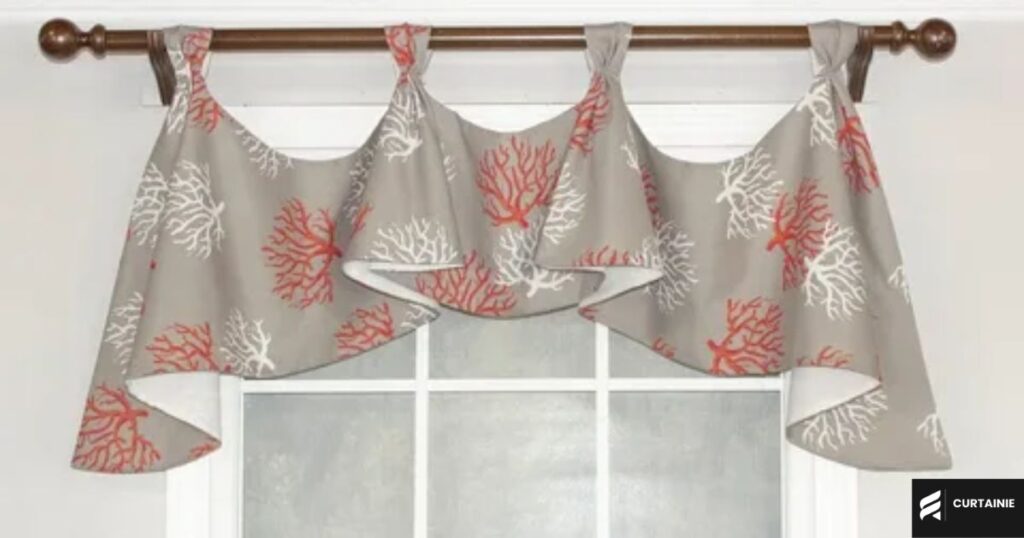
If you want the function of a valance but with a more updated look, these alternatives are trending in 2026:
| Option | Best For | Style Feel |
| Cornice board | Clean, architectural look | Modern, minimal |
| Roman shade alone | Light control + neat top | Transitional |
| Layered sheer + blind | Privacy + light | Contemporary |
| Café curtains | Kitchens, bathrooms | French, casual |
| Woven wood shade | Natural texture | Organic, warm |
These options work especially well if traditional fabric valances feel too decorative for your space.
Read More: drapes and shades are valances out of style
FAQs
Are valances out of style in 2026?
No. Modern valances with clean lines and quality fabrics are still very much in style. What’s out is the old, heavy, ornate style from decades past.
Do valances make a room look dated?
They can — if you choose the wrong style. Swags, ruffles, and matching fabric sets tend to look dated. Tailored, structured, or linen valances look current and intentional.
Are valances good for kitchens in 2026?
Yes — kitchens are one of the best places for valances. They add a finished look, hide hardware, and soften the window without blocking light or air.
What is replacing valances?
Cornice boards, layered Roman shades, woven wood blinds, and café curtains are popular alternatives. But valances themselves haven’t disappeared — they’ve just been updated.
What fabric is best for a valance in 2026?
Linen, cotton, and natural woven textiles are the top choices. They feel light, breathe well, and look current. Avoid stiff synthetic fabrics or anything that looks too shiny or formal.
How long should a valance be?
A standard valance is 15–20 inches long. For taller windows or higher ceilings, go up to 24 inches. The goal is to cover the hardware and frame the top of the window without blocking too much glass.
Conclusion
The story of valances isn’t over — it has simply evolved.
The heavy, ornate valances of the Victorian era do feel dated today, but that doesn’t mean valances as a whole have had their time. The valances trending in 2026 are simpler, cleaner, and smarter — and that’s exactly what keeps them relevant in modern homes.