
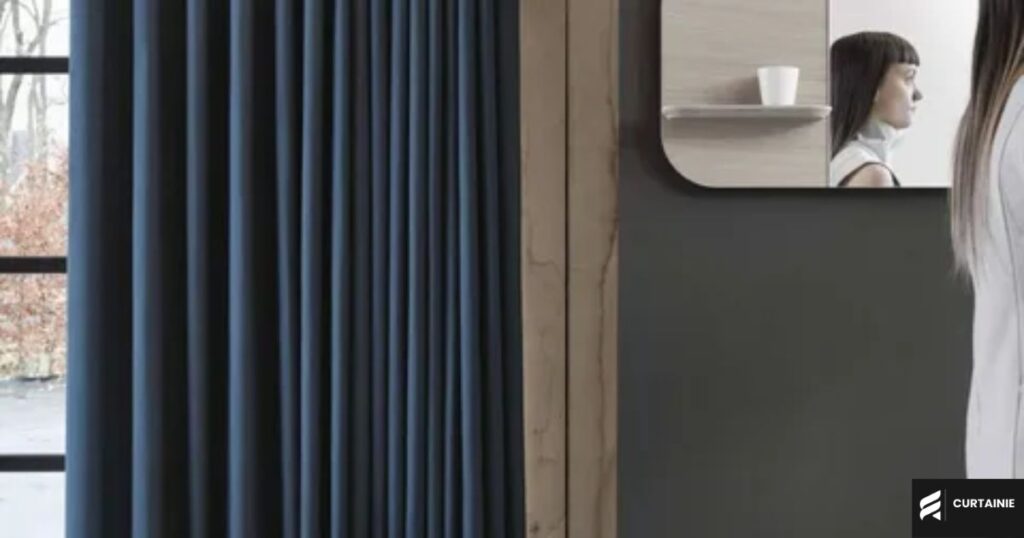
Where Rest, Beauty, and Fabric Unite
The bedroom occupies a unique position in every home — it is simultaneously the most private, the most personal, and the most emotionally significant space any interior contains. Unlike living rooms designed for guests or kitchens engineered for productivity, the bedroom exists entirely for its occupant. Every element within it — from the mattress to the artwork — should serve comfort, rest, and individual expression. Among all these elements, bedroom drapes ideas carry extraordinary power. They govern morning light, establish evening atmosphere, absorb sound, insulate against temperature extremes, and define the visual character of the room more decisively than almost any other single choice. This curtain chronicle explores every dimension of bedroom window treatment selection, from fabric and color through measurement, installation, and styling across every conceivable aesthetic direction.
Why Bedroom Drapes Deserve More Thought Than Any Other Room
Most homeowners invest considerable energy selecting bedroom furniture, bedding, and paint colors while treating window coverings as an afterthought — something purchased quickly to satisfy a functional need rather than chosen deliberately to complete a considered vision.
This approach consistently produces bedrooms that feel almost right but never quite finished. The reason is architectural: windows are the largest vertical openings in any room. What surrounds and covers them visually dominates the space in a way that no rug, headboard, or light fixture can match. Treating that dominant element casually undermines every other careful decision made elsewhere in the room.
Bedroom drapes also perform functions unique to this environment. Blackout capability determines sleep quality. Sound absorption reduces disturbance from outside activity. Thermal properties affect nighttime comfort across changing seasons. No other window treatment combines these functional demands with such significant aesthetic responsibility.
The Five Core Bedroom Drape Styles
Full-Length Blackout Panels
The most practical and widely chosen bedroom option, full-length blackout panels extend from rod to floor while incorporating light-blocking technology into the fabric itself or through an attached lining. They are indispensable for shift workers sleeping during daylight hours, for nurseries and children’s rooms, and for anyone whose bedroom faces east and receives early morning sun at precisely the wrong moment.
Modern blackout panels bear no resemblance to the stiff, institutional versions of earlier decades. Contemporary options arrive in every color imaginable, in textures ranging from velvet to linen-look synthetics, and in sophisticated patterns that photograph beautifully in bedroom settings.
Sheer Layered Panels
Layering a lightweight sheer panel beneath a heavier decorative one represents the most versatile arrangement available to any bedroom. During daylight hours, the sheer filters harsh sunlight into soft, diffused luminosity while maintaining visual privacy. After dark, closing the outer panel provides complete seclusion. This two-layer system gives occupants total control over light and atmosphere at every hour.
Romantic Puddle Drapes
Allowing extra fabric to pool generously on the bedroom floor creates an atmosphere of deliberate, unhurried luxury that suits romantic and maximalist interiors beautifully. Puddle drapes require high-quality fabric that holds its form — velvet, heavy linen, and structured cotton all work exceptionally well — and sufficient length beyond the floor measurement to create a visually intentional rather than accidentally short-ordered appearance.
Tab Top and Tie Top Panels
Tab tops and tie tops introduce casual, relaxed charm that suits cottage, farmhouse, and bohemian bedrooms with particular grace. The fabric loops or ties that attach directly to the rod become decorative elements in their own right. These heading styles work best in bedrooms where opening and closing the panels happens infrequently — the attachment method makes daily operation slightly less smooth than ring clips or grommets.
Canopy-Style Bed Drapes
Extending the drape concept beyond windows entirely, canopy-style fabric panels hung above and around the bed itself create an enclosure that feels simultaneously intimate and theatrical. This approach requires no windows at all — the panels attach to ceiling-mounted hooks or a purpose-built canopy frame, cascading down on two or four sides of the mattress. The result is a bedroom-within-a-bedroom effect that is genuinely transformative.
Fabric Selection for Bedroom Environments
Velvet
Velvet earns its enduring position as the premier bedroom fabric through a combination of sensory and functional qualities that no alternative matches completely. Its pile absorbs sound, creating the acoustic softness that promotes undisturbed rest. Its weight ensures panels hang in clean, impressive columns without additional lining. Its insulating properties help maintain consistent room temperature through seasonal changes. And its visual richness — the way light moves across its surface differently at every angle — makes it the most photographically beautiful option available.
Linen
Bedrooms that prioritize natural, breathable, organic aesthetics find their ideal fabric expression in linen. Its slight texture and natural color variation give bedroom panels an artisan quality that machine-manufactured alternatives consistently fail to replicate. Linen breathes exceptionally well, preventing the musty, enclosed atmosphere that heavier synthetic fabrics sometimes generate in closed bedrooms. It softens beautifully with each washing, improving rather than deteriorating over time.
Blackout-Lined Cotton
Pairing a decorative cotton outer panel with an integrated blackout lining delivers the best of both worlds — the visual beauty and laundering ease of cotton on the room-facing side, with complete light elimination on the window-facing side. This combination suits bedrooms of every style because the outer fabric comes in unlimited patterns and colors while the lining performs a consistent functional role regardless of the decorative choice above it.
Silk and Faux Silk
For master bedrooms designed as genuine retreats, silk and premium faux silk introduce a level of elegance that justifies their higher cost. The way these fabrics catch and reflect light throughout the day — shifting from morning brightness through afternoon warmth to evening glow — gives a bedroom a sense of perpetual, subtle movement that feels genuinely alive. Faux silk options deliver nearly identical visual results at considerably more accessible price points.
Thermal and Insulating Fabrics
In bedrooms exposed to significant external temperature variation — north-facing rooms in cold climates, or west-facing rooms absorbing afternoon heat in warmer regions — thermally engineered fabrics provide comfort benefits that justify their selection regardless of aesthetic considerations. Modern thermal fabrics are available in attractive finishes that bear no visual resemblance to the purely utilitarian products of earlier generations.
Color Strategy for Bedroom Drapes
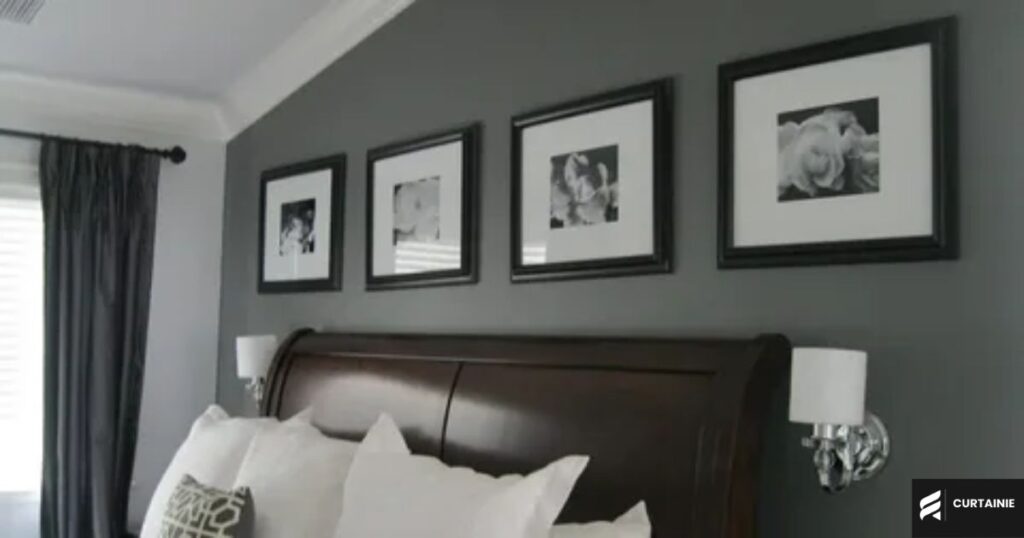
Color choice in a bedroom carries psychological weight that exceeds its impact in any other room because the space is used during the hours most directly tied to emotional state — late evening when the mind winds down and early morning when the day begins.
Soft Neutrals for Restful Environments
Warm whites, pale creams, soft taupes, and gentle grays create visual quiet that supports relaxation and sleep preparation. These tones recede rather than demand attention, allowing the mind to settle rather than stimulate. They also pair harmoniously with virtually every bedding color, wall treatment, and furniture finish, making them the most universally successful bedroom drape palette.
Deep, Saturated Tones for Sophisticated Drama
Charcoal, midnight navy, forest green, and rich burgundy create bedrooms that feel intentionally cocooning — spaces that wrap their occupant in color the way a weighted blanket wraps the body. These hues work particularly well in bedrooms with white or very light walls, where the contrast creates a jewel-box effect of considerable sophistication.
Dusty, Muted Mid-Tones
Sage, blush, dusty rose, warm terracotta, and slate blue occupy the middle ground between stark neutrals and bold saturated tones. These colors introduce personality and warmth without visual aggression, making them ideal for bedrooms shared between people with different aesthetic preferences or for spaces that need gentle color without commitment to a strong direction.
Pattern Considerations
Patterned bedroom drapes require more careful consideration than solid choices because patterns interact with bedding, upholstery, and wallcoverings in complex ways. The foundational principle is contrast of scale: if bedding carries a small, dense pattern, drapes should be either solid or feature a significantly larger-scale design. Mixing patterns of similar scale creates visual competition that registers as restless rather than considered.
Measuring Bedroom Windows With Precision
Accurate measurement is the foundation of every successful drape installation. Errors discovered after purchasing cannot be corrected without additional expense and delay.
Rod placement: Position the bracket four to eight inches above the window frame for standard installations. For maximum ceiling-height drama, mount as close to the ceiling line as possible, adding perceived height to the entire room.
Width calculation: Measure the full width of the window opening. Multiply by 1.5 for a tailored, contemporary appearance. Multiply by 2 to 2.5 for full, luxurious gathering. Add the rod extension beyond each side — typically four to six inches — to this calculation.
Length determination: Measure from the rod bottom to the desired hem position. For a grazing finish, subtract half an inch from the floor measurement. For a breaking finish, add one to two inches. For a romantic puddle, add six to twelve inches beyond the floor.
Always measure at multiple points across the window width and use the smallest measurement, as floors are rarely perfectly level across an entire wall span.
Hardware That Suits Bedroom Installations
Decorative Rods With Statement Finials
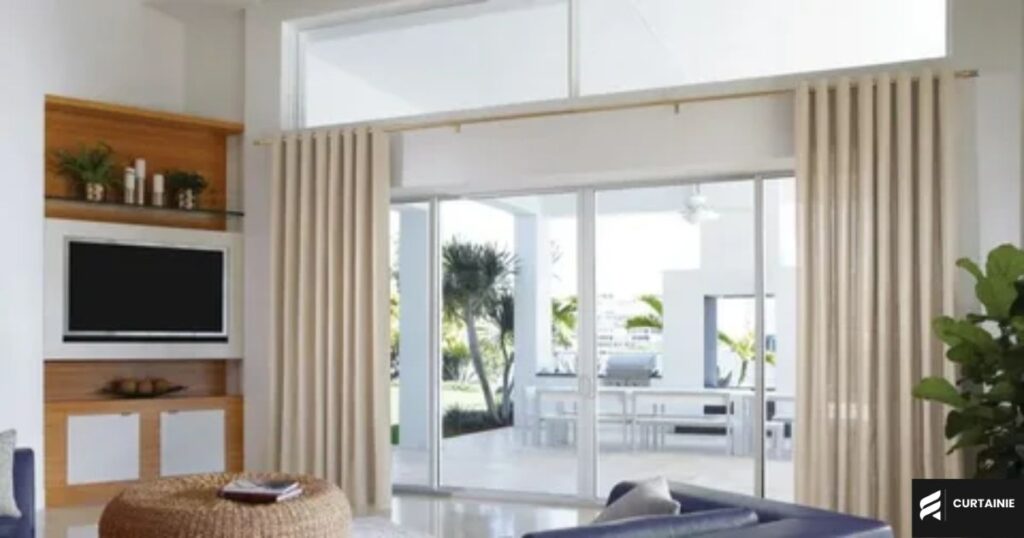
Bedrooms tolerate and reward more decorative hardware than any other room in the home. A sculptural finial in aged brass, hand-painted ceramic, crystal, or geometric iron becomes a considered design detail rather than mere functional necessity. The bedroom’s intimate scale allows hardware to be appreciated in ways that larger, more open rooms do not.
Ceiling Tracks for Seamless Elegance
Ceiling-mounted track systems suit contemporary and minimalist bedrooms where clean, uninterrupted fabric from ceiling to floor is the entire aesthetic statement. The absence of visible hardware focuses complete attention on the fabric itself, creating a gallery-like quality that elevates the room’s sophistication immediately.
Double Rods for Layered Arrangements
Two rods mounted at different depths — one close to the wall for sheers, one projecting further for the outer panel — enable the layered arrangement that gives bedrooms maximum light and privacy flexibility. Double rod sets are available as integrated units or assembled from individual components depending on the aesthetic desired.
Bedroom Drape Styling by Interior Aesthetic
Serene Minimalist
Unlined linen or cotton panels in warm white or pale natural tones, hung on a slim ceiling track with no visible hardware, create the meditative calm that defines minimalist bedroom philosophy. A single color, a single fabric, zero ornamentation — the restraint is the statement.
Maximalist and Jewel-Toned
Velvet panels in deep emerald, sapphire, or plum, hung with generous fullness on a substantial brass or bronze rod with dramatic finials, and allowed to puddle extravagantly on the floor, create a bedroom of theatrical, unapologetic luxury. Layer pattern on pattern — embroidered cushions, printed bedding, textured rugs — and allow the drapes to anchor the entire composition.
Soft Romantic
Ivory or blush sheers layered beneath a printed floral outer panel, with a delicate tieback holding each side in a graceful curve, create the romantic atmosphere that this bedroom aesthetic requires. Soft, diffused light throughout the day contributes as much to the mood as the fabric choice itself.
Coastal and Relaxed
Crisp white cotton or barely-there natural linen panels that move gently with coastal breezes suit beach-adjacent and Mediterranean-inspired bedrooms. Minimal hardware in whitewashed wood or brushed brass completes the unhurried, salt-air atmosphere.
Warm Industrial
Charcoal canvas or raw cotton panels in deep neutral tones, hung on exposed black iron pipe with simple ring clips, suit bedrooms that embrace exposed brick, concrete finishes, and the deliberate beauty of structural materials.
Common Bedroom Drape Mistakes to Avoid
Choosing purely decorative panels without functional blackout consideration. Beautiful panels that allow full morning light to penetrate are a genuine sleep disruption. Always address the blackout question before finalizing any bedroom drape selection.
Hanging panels too short. Panels ending above the floor in a bedroom look unresolved and visually shrink the room. Always size to floor level minimum.
Selecting fabric too lightweight for the panel length. Sheer, insubstantial fabrics in long bedroom panels billow, cling together, and develop wrinkles that gravity cannot resolve. Match fabric weight to panel length.
Overcrowding small bedrooms with heavy, dark panels. Dense, saturated fabrics in compact rooms absorb light and reduce perceived space significantly. Lighter tones and semi-sheer fabrics serve small bedrooms far more effectively.
Maintaining Bedroom Drapes Through the Seasons
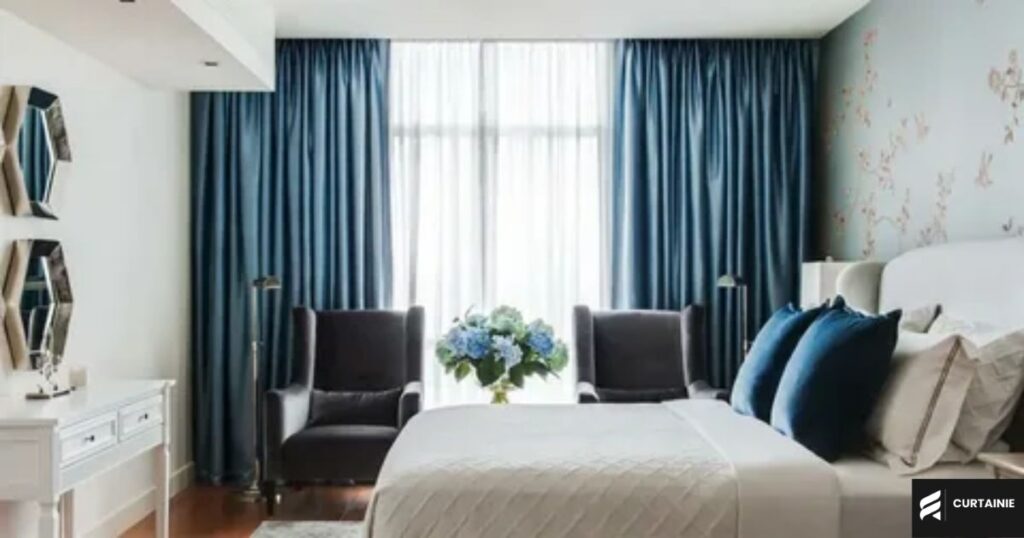
Bedrooms accumulate dust, skin particles, and allergens within textiles more rapidly than other spaces due to extended hours of occupancy. Regular maintenance preserves both hygiene and appearance.
Monthly steaming refreshes fabric without requiring full removal, eliminating accumulated wrinkles and surface dust simultaneously. Quarterly laundering of machine-washable panels prevents allergen buildup. Annual professional cleaning of velvet, silk, or heavily lined panels maintains their structural and aesthetic integrity across years of daily use.
Rotating panels between windows that receive different levels of direct sunlight prevents uneven fading, extending the lifespan of quality fabric investments significantly.
Read More: curtain chronicles floor to ceiling extra long drapes
Frequently Asked Questions
Q1: What bedroom drape fabric provides the best combination of blackout capability and visual elegance?
Velvet with an integrated blackout lining delivers complete light elimination alongside the richest, most sophisticated visual character available in any curtain fabric.
Q2: How do layered sheer and opaque bedroom panels attach to the same window?
A double rod system — with a narrow inner rod for sheers and a projecting outer rod for the heavier decorative panel — mounts both layers on a single set of wall brackets.
Q3: What drape color works best in a bedroom with no natural daylight?
Warm-toned panels in cream, soft gold, or pale terracotta reflect artificial light most effectively, making windowless or very dark bedrooms feel warmer and more inviting.
Q4: Can patterned drapes work in a bedroom that already has patterned bedding?
Yes — provided the drape pattern differs significantly in scale from the bedding pattern, mixing prints creates layered visual interest rather than chaotic competition.
Q5: How much extra fabric length should puddle-style bedroom drapes have beyond the floor measurement?
A modest puddle of six inches suits most bedrooms, while a generous pool of ten to fourteen inches creates the theatrical, deeply romantic effect that maximalist interiors celebrate.
Final Through
The curtain chronicles of bedroom design arrive consistently at the same destination: no investment in this deeply personal space delivers greater return than the deliberate, thoughtful selection of the right drape. Bedroom drapes ideas span an extraordinary range — from the meditative simplicity of natural linen sheers to the cinematic drama of floor-puddling velvet — but every exceptional choice shares one quality: intention. Fabric chosen with clarity of purpose, measured with precision, hung with care, and maintained with consistency transforms a bedroom from a place of merely adequate rest into a sanctuary of genuine beauty. Begin with what your body needs — light control, insulation, acoustic softness — then allow your aesthetic sensibility to guide every remaining decision. The result will be a bedroom that earns its place as the most considered, most personal, most beautifully realized space in your entire home.