
Your bathroom is one of the most used spaces in your home — and yet, it often gets the least attention when it comes to decor and maintenance. One element that plays a surprisingly big role in both the look and hygiene of your bathroom is the shower curtain. Whether you are dealing with mold problems, planning a bathroom makeover, or simply trying to make your shower curtain last longer, this guide has everything you need.
In this article, we will cover the best shower curtain tips — from choosing the right material and size, to cleaning, styling, and knowing when to replace it. Follow these tips and transform your bathroom into a cleaner, more stylish, and more functional space.
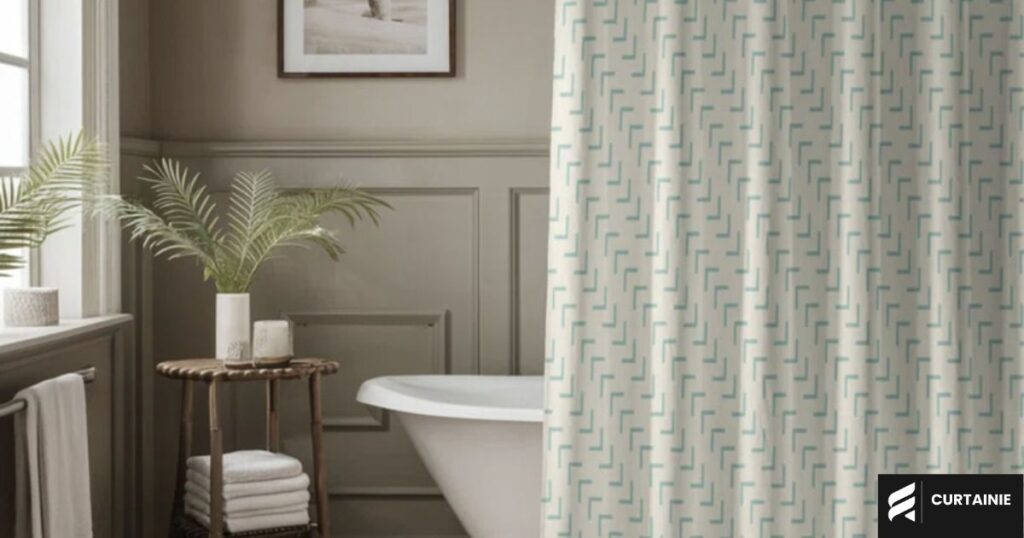
1. How to Choose the Right Shower Curtain
Pick the Right Material
The material of your shower curtain determines how long it lasts, how easy it is to clean, and how safe it is for your family. Here are the most common options:
Polyester: This is the most popular choice for good reason. Polyester curtains are affordable, resistant to mold and mildew, dry quickly, and are machine washable. If you are buying your first shower curtain, polyester is a great starting point.
PEVA (Polyethylene Vinyl Acetate): PEVA is an eco-friendly, non-toxic alternative to PVC. It is waterproof, odor-free, and does not release harmful chemicals. This is the best choice for families with young children or anyone concerned about indoor air quality.
Cotton: Cotton shower curtains look and feel luxurious. They are soft, easy to wash, and come in many beautiful designs. The downside is that they can develop mold faster if not dried properly after each use.
Vinyl (PVC): Vinyl curtains are completely waterproof and very affordable. However, they can release harmful chemicals (VOCs) when exposed to heat and are not the most environmentally friendly option.
Get the Right Size
One of the most common mistakes people make is buying a shower curtain that is the wrong size. A curtain that is too short will allow water to splash onto the floor. One that is too wide will bunch up and trap moisture.
The standard shower curtain size is 72 x 72 inches, which fits most bathtubs. If your ceiling is higher than average, go for a 72 x 84 inch or 72 x 96 inch curtain. Always measure your shower or tub area before purchasing.
Always Use a Liner
A shower curtain liner is a thin, waterproof layer that goes on the inside of your shower curtain (the wet side). Using a liner protects your decorative curtain from direct water contact, extends its life significantly, and makes cleaning much easier. Liners are inexpensive and should be replaced every six months.
2. Choosing the Right Shower Curtain Rod
The rod you choose affects both the look and the functionality of your shower setup. Here are your main options:
Tension Rod: This rod requires no drilling and is held in place by spring tension between two walls. It is perfect for renters or anyone who wants a quick, easy installation. The downside is that it can fall if too much weight is applied or if the walls are not perfectly parallel.
Fixed Wall-Mounted Rod: This rod is screwed into the wall and is much more stable and durable than a tension rod. It is the best long-term option for homeowners.
Curved Rod: A curved shower rod bows outward slightly, giving you more elbow room inside the shower. This simple upgrade can make a small bathroom feel significantly more spacious and luxurious.
Double Rod: A double rod system allows you to hang the liner and the decorative curtain separately on two parallel rods. This improves airflow and helps both dry faster, reducing mold growth.
Rod Placement Height
Install your shower rod at least 72 inches (6 feet) above the floor. If you have purchased an extra-long curtain, mount the rod higher accordingly. The bottom of the curtain should hang just inside the tub or shower base — not touching the floor.
3. Shower Curtain Rings and Hooks
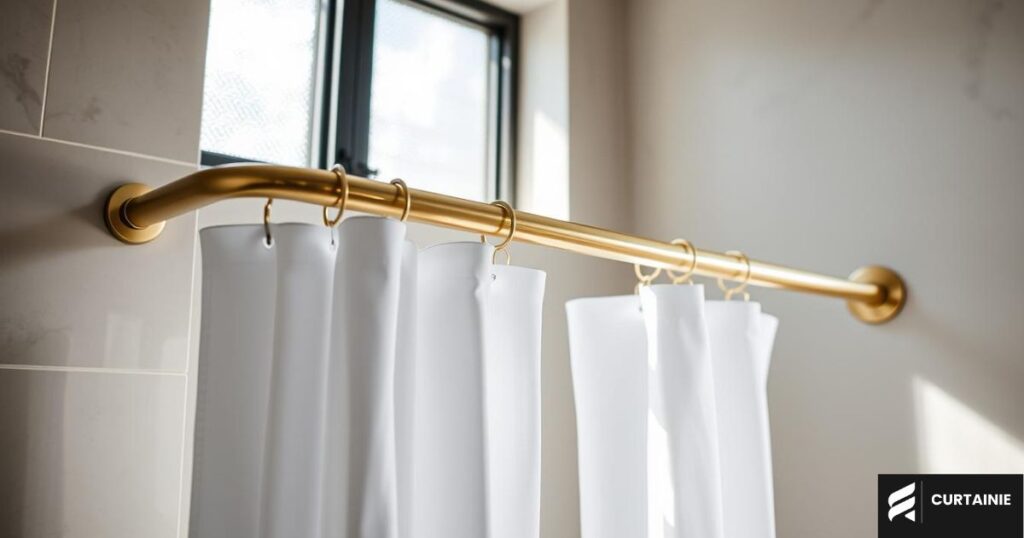
Rings and hooks are small details that make a big difference. They affect how smoothly the curtain glides along the rod and how neat it looks.
Plastic Rings: Lightweight and affordable. Good for basic setups but not very durable.
Metal Rings: More durable and stylish. Available in gold, silver, black, and bronze finishes to match your bathroom hardware.
Snap Hooks: Allow you to attach and detach the curtain without removing the rings from the rod. Makes changing and washing the curtain much easier.
Double Hooks: Hold both the liner and the curtain on a single hook. Great space-saving option for single-rod setups.
Pro Tip: Always use exactly 12 rings for a standard 72-inch curtain. Using fewer rings causes the top of the curtain to sag and gap, allowing water to escape.
4. How to Prevent Mold and Mildew
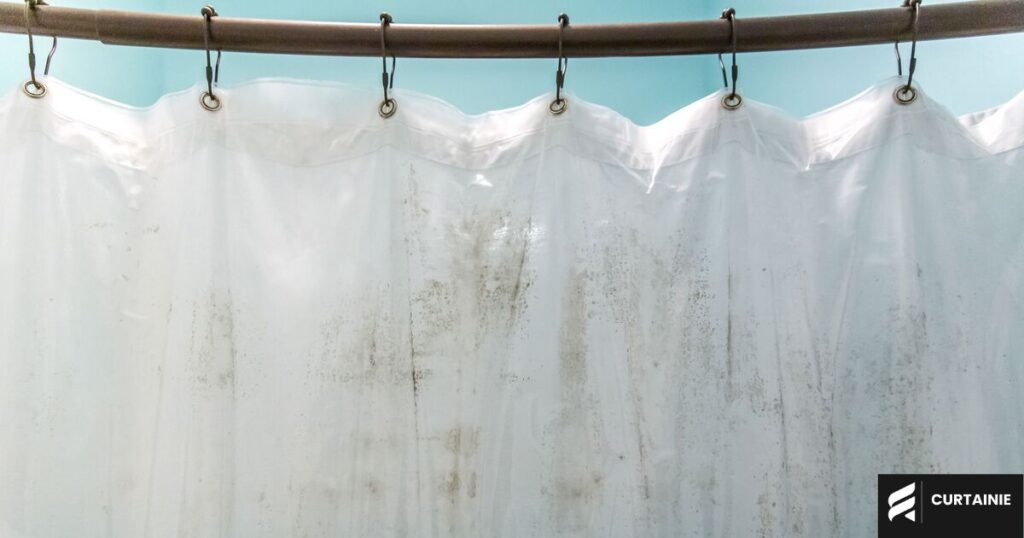
Mold and mildew are the number one enemy of shower curtains. The warm, damp environment of a bathroom is the perfect breeding ground for mold. Here is how to prevent it:
Spread the Curtain After Every Shower: After bathing, always spread the curtain flat across the rod instead of leaving it bunched on one side. This allows air to circulate and the curtain to dry quickly.
Run the Exhaust Fan: Turn on your bathroom exhaust fan during your shower and leave it running for 15 to 20 minutes afterward. This removes excess humidity from the air and dramatically slows mold growth.
Use a Vinegar Spray: Fill a spray bottle with a mixture of equal parts white vinegar and water. After each shower, lightly mist the curtain with this solution. Vinegar is a natural antifungal and will prevent mold from taking hold.
Keep the Bottom Dry: Some curtains have weighted hems that trap water. Make sure the bottom of your curtain drains properly. If water consistently pools in the hem, consider making tiny drainage holes or switching to a different curtain style.
Replace the Liner Regularly: Even with proper care, liners will eventually develop mold. Replace your liner every six months as a standard practice.
5. How to Clean Your Shower Curtain
Regular cleaning is essential for a hygienic bathroom. Here is how to do it properly based on the material:
Machine Washing (Best for Polyester and Cotton)
- Remove the curtain from the rings and place it in the washing machine
- Add your regular laundry detergent plus half a cup of baking soda
- Wash on a warm (not hot) gentle cycle
- Add two or three bath towels to the load — they act as gentle scrubbers
- At the end of the cycle, add half a cup of white vinegar to the rinse cycle
- Air dry or tumble dry on low heat
Hand Washing (Best for PEVA and Vinyl)
- Lay the curtain flat in the tub or hang it on the rod
- Mix warm water with a few drops of dish soap
- Wipe down the entire surface with a soft cloth or sponge
- For stubborn soap scum, apply a paste of baking soda and water, let it sit for 10 minutes, then scrub gently
- Rinse thoroughly and allow to air dry
Deep Cleaning for Heavy Mold
Fill your bathtub with warm water and add one cup of white vinegar and half a cup of baking soda. Submerge the curtain and let it soak for 30 to 60 minutes. Scrub with a brush, rinse, and air dry in the sun if possible. Sunlight is a natural disinfectant and will kill any remaining mold spores.
6. Shower Curtain Styling Tips for a Beautiful Bathroom
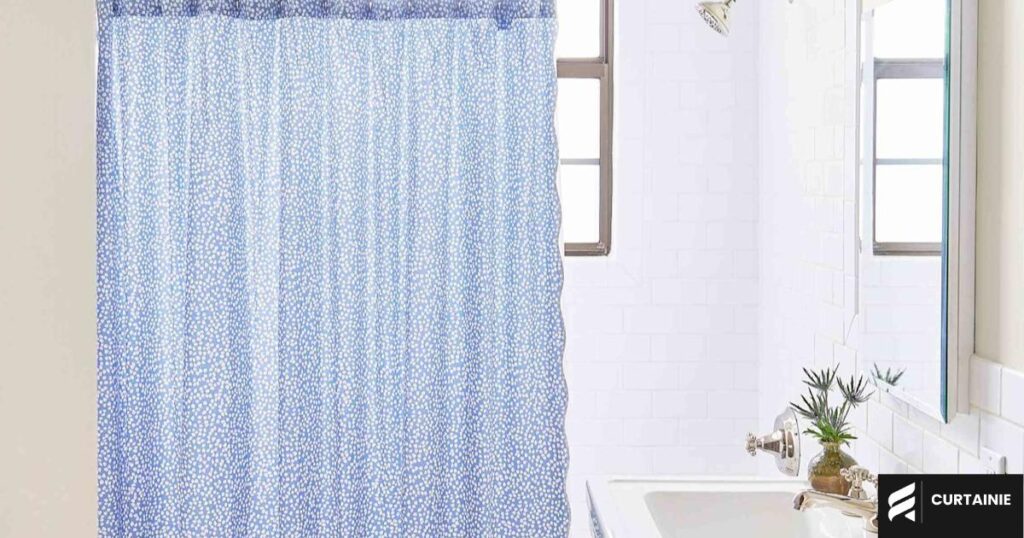
Your shower curtain is one of the largest visual elements in your bathroom. Choosing the right design can completely transform the space.
Color Selection
- White or Cream: Makes the bathroom feel clean, bright, and larger than it actually is. A timeless classic.
- Navy Blue or Charcoal: Creates a bold, dramatic look. Works well with white tiles and chrome hardware.
- Pastel Colors (Sage Green, Blush, Sky Blue): Give the bathroom a soft, relaxing, spa-like feel.
- Patterns (Stripes, Geometric, Floral, Abstract): Instantly liven up a plain bathroom and add personality.
Coordination Tips
- Match your towels to one of the accent colors in your curtain pattern
- Choose a bath mat that complements the curtain color
- Use metallic accessories (soap dispenser, toothbrush holder, towel rings) in gold, silver, or matte black — these neutral tones pair well with almost any curtain
Tips for Small Bathrooms
- Use light colors or white curtains to make the space feel larger
- Vertical stripes draw the eye upward, making the ceiling appear higher
- Install a curved rod to gain a few extra inches of space inside the shower
- Avoid very busy or large-scale patterns as they can make a small room feel cluttered
7. Shower Curtain Maintenance Schedule
Staying consistent with maintenance will extend the life of your curtain and keep your bathroom healthier. Here is a simple schedule to follow:
| Task | Frequency |
|---|---|
| Spread curtain flat after use | After every shower |
| Wipe down curtain surface | Weekly |
| Full machine or hand wash | Monthly |
| Replace liner | Every 6 months |
| Replace curtain | Every 1 to 2 years |
8. Common Shower Curtain Mistakes to Avoid
Leaving the Curtain Bunched: This is the single biggest cause of mold. Always spread your curtain fully after showering.
Buying the Wrong Size: Measure first, then buy. A curtain that is too short lets water onto the floor. Too wide creates excess fabric that traps moisture.
Skipping the Liner: Many people hang only a decorative curtain without a liner. The liner does the real waterproofing work and protects your curtain.
Using Poor Quality Hooks: Cheap plastic hooks break easily and cheap metal hooks rust. Invest in decent quality rings — they are affordable and last much longer.
Ignoring Cleaning: Many homeowners go months without washing their shower curtain. This allows bacteria, soap scum, and mold to accumulate. Wash it monthly without fail.
Using Bleach on Colored Curtains: Bleach can discolor or damage fabric curtains. Use white vinegar or oxygen-based cleaners instead, and save bleach only for white vinyl or liner curtains.
9. Eco-Friendly Shower Curtain Options
If you are trying to reduce your environmental footprint, there are several sustainable shower curtain alternatives worth considering:
Organic Cotton: Grown without pesticides and fully biodegradable. Washes easily and lasts a long time with proper care.
Hemp: Naturally resistant to mold and mildew. Hemp curtains are extremely durable and become softer with each wash.
PEVA: A chlorine-free, recyclable alternative to PVC that is much safer for your family and the environment.
Recycled Fabric: Some brands now offer shower curtains made from recycled plastic bottles or other post-consumer materials. These are a great way to support the circular economy.
10. Budget-Friendly Shower Curtain Tips
You do not need to spend a lot of money to have a great shower curtain setup. Here are some ways to save:
- Shop during seasonal sales at home improvement and home decor stores
- Choose solid colors or simple designs — they are usually cheaper and never go out of style
- Replace your liner more frequently and your curtain less often — liners are inexpensive and protecting the curtain extends its life
- Make your own cleaning solution with vinegar and baking soda instead of buying expensive bathroom cleaners
- If only one side of your curtain is stained, flip it — the clean side faces out and you get extra life out of the same curtain
Read more:how much do custom curtains cost
Frequently Asked Questions (FAQs)
Q1: How often should I replace my shower curtain?
A standard shower curtain should be replaced every one to two years with regular use. However, if you notice persistent mold, a bad odor that does not go away after washing, or visible deterioration of the fabric, replace it sooner. Your liner should be replaced every six months regardless.
Q2: How do I get rid of mold on my shower curtain?
Soak the curtain in a bathtub filled with warm water, one cup of white vinegar, and half a cup of baking soda for 30 to 60 minutes. Scrub with a soft brush, rinse thoroughly, and air dry in sunlight. For machine-washable curtains, adding half a cup of white vinegar to the wash cycle also works very effectively.
Q3: What is the difference between PEVA and PVC?
PVC (Polyvinyl Chloride) contains chlorine and can release harmful chemicals known as VOCs (volatile organic compounds), especially in a hot, steamy shower. PEVA (Polyethylene Vinyl Acetate) is a chlorine-free, non-toxic alternative that is safer for your health and better for the environment. PEVA is the recommended choice for households with children, pregnant women, or anyone with chemical sensitivities.
Q4: What type of shower curtain rod is best?
For renters or temporary setups, a tension rod is ideal because it requires no drilling. For permanent installations, a fixed wall-mounted rod is stronger and more reliable. For small bathrooms, a curved rod is a game-changer because it creates the feeling of more space. If you want maximum hygiene, a double rod system keeps the liner and curtain separate, allowing both to dry faster.
Q5: How do I remove wrinkles from a new shower curtain?
Hang the curtain in your bathroom while running a hot shower. The steam will relax most wrinkles within 15 to 20 minutes. Alternatively, place the curtain in the dryer on low heat for five to ten minutes. Avoid ironing PEVA or vinyl curtains directly, as heat can melt or warp them.
Conclusion
A shower curtain might seem like a minor detail, but it plays a major role in the cleanliness, functionality, and overall look of your bathroom. By choosing the right material, keeping up with regular cleaning, using a liner, and following a consistent maintenance schedule, you can keep your shower curtain looking fresh and performing well for years.
To summarize the key takeaways from this guide:
- Always use a liner alongside your decorative curtain
- Spread the curtain flat after every shower to prevent mold
- Wash your curtain monthly and replace the liner every six months
- Choose PEVA or polyester for the best combination of safety, durability, and ease of care
- Use a curved rod in small bathrooms to maximize space
- Match your curtain color and pattern to your towels and accessories for a polished, coordinated look
Small, consistent habits make a big difference. Start applying these shower curtain tips today and enjoy a cleaner, healthier, and more beautiful bathroom every single day.