
Are you tired of dealing with noisy, rusty, or broken shower curtain hooks? Or maybe you just moved into a new place and realized you don’t have any hooks on hand? Whatever the reason, you’ll be happy to know that hanging a shower curtain without hooks is completely possible — and in many cases, it looks cleaner and more stylish too.
In this comprehensive guide, we’ll walk you through every method available to hang a shower curtain without traditional hooks, the tools you’ll need, step-by-step instructions, tips for keeping your curtain in place, and answers to the most commonly asked questions.
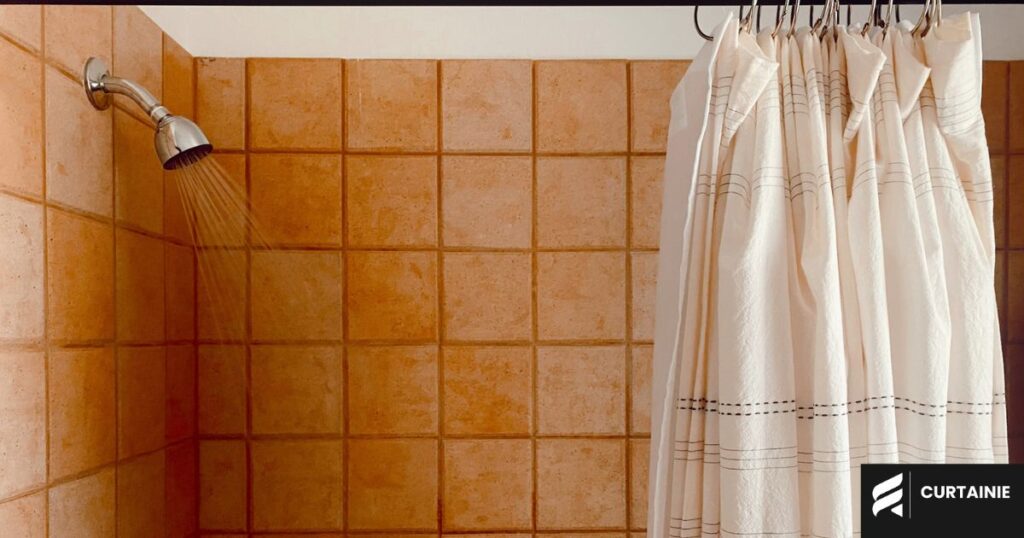
Why Hang a Shower Curtain Without Hooks?
Before diving into the methods, it’s worth understanding why so many homeowners and renters are skipping hooks altogether.
Hooks can be a pain. They rust, break, tangle, and make an annoying scraping sound every time you open or close the curtain. They also require individual placement, which takes time and effort.
Going hookless offers several advantages:
- Cleaner, more minimalist look
- Easier to open and close the curtain
- No rust or corrosion over time
- Faster installation
- More options for creative styling
Whether you’re redecorating your bathroom or just looking for a practical solution, the methods below will give you a beautiful, functional shower curtain setup — no hooks required.
Method 1: Use a Hookless Shower Curtain
The simplest solution is to buy a hookless shower curtain — a curtain specifically designed to slide directly onto the rod without needing any hooks at all.
How It Works
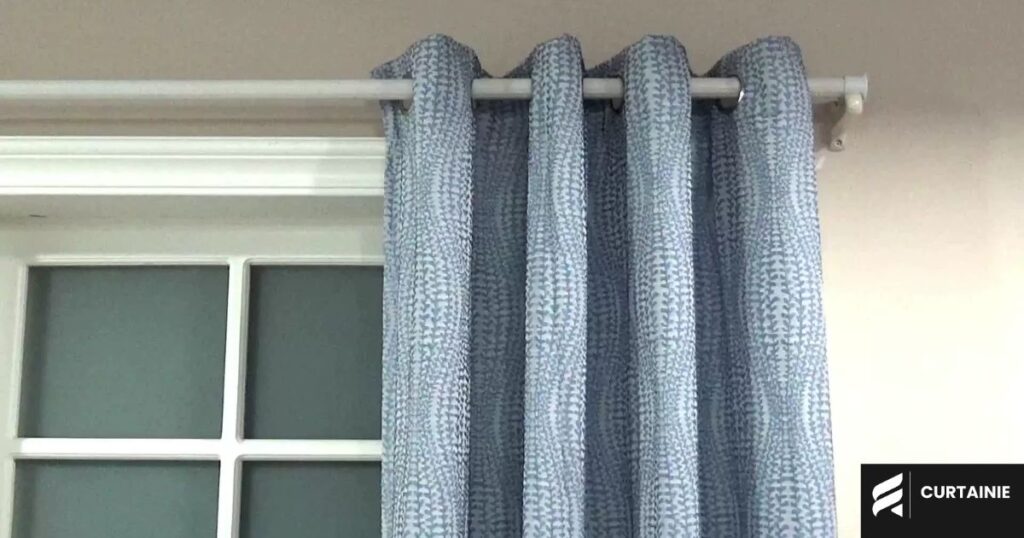
Hookless shower curtains come with built-in rings or flexible loops integrated directly into the top of the curtain. These loops are made of flexible plastic or fabric and thread directly onto the curtain rod.
Step-by-Step Instructions
- Remove your existing curtain and hooks from the rod.
- Unpack your hookless shower curtain and lay it flat to check for any folds or creases.
- Thread the curtain rod through the built-in loops at the top of the curtain, starting from one end.
- Slide the curtain along the rod until it is evenly distributed.
- Reattach the rod to the wall brackets and make sure it is secure.
- Adjust the curtain so it hangs evenly and reaches the floor or tub edge.
Pros and Cons
Pros: Very easy to install, no additional hardware needed, smooth gliding, wide variety of styles available.
Cons: You may need to purchase a new curtain specifically designed for this style, and not all curtains are available in hookless versions.
Method 2: Use Shower Curtain Rings with No-Hook Snap Loops
If you don’t want to replace your entire curtain, snap-on or clip-style curtain rings are a great alternative. These rings have a snap or clip mechanism that allows you to attach the curtain directly without traditional hooks.
Step-by-Step Instructions
- Purchase snap rings or clip rings that fit your curtain rod diameter.
- Open each snap ring by pressing the side or twisting the mechanism.
- Slip the curtain grommet or eyelet into the open ring.
- Snap the ring closed to secure the curtain in place.
- Slide all rings onto the curtain rod before rehanging.
- Mount the rod and adjust the curtain as needed.
Tips
- Choose rings made from stainless steel or rust-resistant plastic for bathrooms.
- Snap rings also make it easier to remove the curtain for washing.
Method 3: Use Tension Clips or Binder Clips (Temporary Solution)
For a quick temporary fix, tension clips or even large binder clips can be used to hang a shower curtain without hooks.
Step-by-Step Instructions
- Gather your clips — large binder clips, tension clips, or even decorative fabric clips work well.
- Fold the top edge of the shower curtain over the curtain rod by about 2–3 inches.
- Clip the folded fabric to the rod at evenly spaced intervals (every 6–8 inches works well).
- Make sure the clips are tight so the curtain doesn’t slide or fall.
- Test by pulling the curtain open and closed a few times to check stability.
Pros and Cons
Pros: Free or very cheap, no installation required, works immediately, great for renters.
Cons: Not as durable or stylish as other methods, clips may leave marks on the fabric, not ideal for heavy curtains.
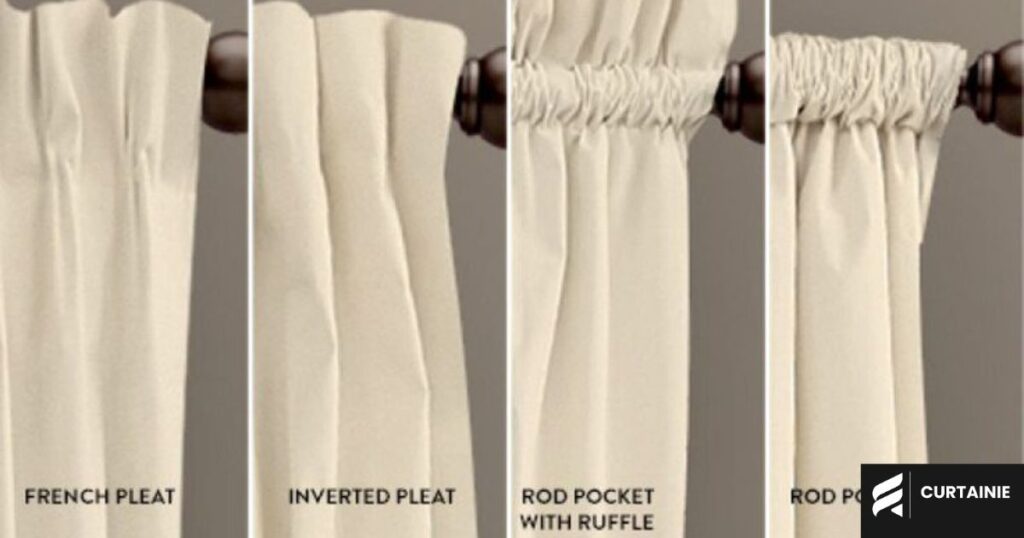
Method 4: Thread the Curtain Rod Directly Through Sewn Loops or a Rod Pocket
Many shower curtains — especially fabric ones — come with a rod pocket or sewn loops at the top that allow you to slide the curtain rod directly through the fabric.
Step-by-Step Instructions
- Check your curtain for a rod pocket (a sewn channel at the top) or fabric loops.
- Remove the rod from the wall brackets.
- Insert one end of the rod into the rod pocket or first loop at the top of the curtain.
- Thread the rod all the way through each loop or the entire pocket until the curtain is fully on the rod.
- Reattach the rod to the wall brackets.
- Spread the curtain evenly across the rod for a clean look.
Tips
- Rod pocket curtains give a more tailored, polished appearance.
- This method works best with a lightweight tension rod or a slim fixed rod.
- Make sure your rod diameter matches the pocket opening on the curtain.
Method 5: Use Adhesive Strips or Command Hooks on the Wall
If you don’t have a curtain rod or want an entirely rod-free setup, adhesive wall hooks or strips can provide an unconventional but effective solution — especially for lightweight curtains.
Step-by-Step Instructions
- Choose strong waterproof adhesive hooks rated for bathroom use (such as Command brand waterproof hooks).
- Clean and dry the wall surface where you’ll be placing the hooks.
- Mark the positions of each hook using a pencil and level to ensure they are evenly spaced and in a straight line.
- Apply each adhesive hook according to the manufacturer’s instructions, pressing firmly for 30 seconds.
- Allow the adhesive to cure for at least 1 hour before hanging the curtain.
- Hang the curtain grommets or loops directly onto each hook.
Important Considerations
- This method works best with lightweight fabric curtains, not heavy vinyl curtains.
- Ensure the wall surface is compatible with adhesive strips (tile, painted drywall, or smooth surfaces work best).
- Regularly check the adhesive to ensure it has not weakened due to moisture and steam.
Method 6: Use a Tension Rod with a Pocket-Top or Looped Curtain
A tension rod is a no-drill, no-hardware solution that fits between two walls using spring tension. Combined with a pocket-top or looped curtain, this creates a completely hookless setup.
Step-by-Step Instructions
- Measure the width of your shower or bathtub opening from wall to wall.
- Purchase a tension rod that fits within that measurement range.
- Thread your pocket-top or looped curtain onto the tension rod before installing.
- Compress the tension rod to fit between the walls and then release it so it locks firmly in place.
- Adjust the curtain so it hangs evenly and covers the full width of the shower.
Tips
- Use a tension rod with rubber end caps to prevent slipping.
- Avoid using heavy or very long curtains with tension rods, as the extra weight can cause slipping over time.
- Check the rod periodically and re-tighten if needed.
Method 7: Use Zip Ties or Shower Curtain Liner Clips
Zip ties are a budget-friendly, durable option that many people overlook. Clear or white zip ties are nearly invisible when used and can hold a curtain securely without hooks.
Step-by-Step Instructions
- Choose thin clear or white zip ties (6–8 inch length works well).
- Thread one end of the zip tie through the curtain grommet or eyelet.
- Loop the zip tie around the curtain rod and pull it through the locking head to secure it.
- Pull the zip tie tight but not so tight that it distorts the grommet.
- Trim the excess zip tie tail using scissors for a neat look.
- Repeat for each grommet across the top of the curtain.
Tips
- Zip ties are waterproof and rust-proof — perfect for a bathroom environment.
- This is a semi-permanent solution; you’ll need to cut the zip ties to remove the curtain for washing.
Choosing the Right Curtain for a Hookless Setup
Not all shower curtains work equally well with hookless methods. Here’s what to look for:
Look for:
- Built-in flexible loops or snap rings
- Rod pocket at the top
- Grommets or eyelets for zip ties or clips
- Lightweight fabric material for adhesive hook methods
Avoid:
- Very heavy vinyl curtains for adhesive or clip methods
- Curtains without any top attachment feature (unless you plan to fold and clip)
Tools and Materials You May Need
Depending on which method you choose, here is a general list of what you might need:
- Hookless shower curtain or standard curtain with grommets
- Snap rings or clip-style curtain rings
- Tension rod or fixed curtain rod
- Waterproof adhesive hooks or Command strips
- Zip ties (clear or white)
- Binder clips or fabric clips
- Measuring tape
- Pencil and level (for adhesive hook method)
- Scissors (for zip tie trimming)
Tips to Keep Your Hookless Shower Curtain in Place
No matter which method you use, these tips will help ensure your shower curtain stays put and functions well:
- Use a curtain liner — A separate waterproof liner inside the curtain keeps water in the tub and protects the outer curtain from moisture damage.
- Spread the curtain evenly — Distribute the fabric evenly across the rod to prevent bunching on one side.
- Check regularly for slipping — Especially with tension rods and adhesive methods, inspect your setup monthly.
- Wash and dry the curtain properly — Remove any mildew or soap scum regularly to keep the curtain light and functional.
- Use a weighted hem — Some curtains have a weighted bottom that keeps them from blowing inward while showering. Look for this feature when buying.
- Choose the right curtain length — A curtain that is too long will drag on the tub floor and create mildew issues. Standard shower curtains are 72 inches long, which works for most setups.
Comparison Table: All Methods at a Glance
| Method | Cost | Difficulty | Durability | Best For |
|---|---|---|---|---|
| Hookless Curtain | Medium | Very Easy | High | Long-term use |
| Snap/Clip Rings | Low | Easy | High | Any curtain |
| Binder/Tension Clips | Very Low | Very Easy | Low | Temporary use |
| Rod Pocket / Sewn Loops | Free | Easy | High | Fabric curtains |
| Adhesive Wall Hooks | Low | Easy | Medium | Renters, light curtains |
| Tension Rod + Pocket Curtain | Low | Easy | Medium | No-drill setups |
| Zip Ties | Very Low | Easy | High | Long-term, budget |
Read more:shower curtain tips
Frequently Asked Questions (FAQs)
Q1: Can I hang a shower curtain without a rod at all?
Yes, you can use waterproof adhesive wall hooks to hang a lightweight shower curtain directly on the wall without any rod. Space the hooks evenly in a straight line at the desired height and hang the curtain grommets onto each hook. This works best for lightweight fabric curtains in bathrooms with smooth, non-porous walls.
Q2: What is a hookless shower curtain?
A hookless shower curtain is a type of curtain designed with built-in flexible loops or rings at the top that thread directly onto the curtain rod, eliminating the need for separate hooks. They are widely available in home goods stores and online, come in many designs and materials, and are generally easier to install and use than curtains with traditional hooks.
Q3: Will zip ties hold a shower curtain securely?
Yes, zip ties are surprisingly strong and waterproof, making them an excellent option for holding a shower curtain in place. Use clear or white zip ties for a discreet look. They are especially effective with curtains that have standard grommets at the top. The only downside is that you’ll need to cut them when removing the curtain for washing.
Q4: How do I keep my shower curtain from blowing inward?
To prevent a shower curtain from blowing inward while showering, choose a curtain with a weighted hem, use a separate heavy shower liner, or try a curved curtain rod that angles the curtain away from the shower stream. Some people also use small suction cup clips at the bottom corners to hold the curtain against the tub wall.
Q5: What is the easiest hookless method for renters?
The easiest hookless method for renters is using a tension rod with a pocket-top or looped curtain. A tension rod requires no drilling, leaves no marks on the wall, and can be removed and reinstalled easily. Alternatively, removable adhesive hooks are another renter-friendly option that works well on tile or smooth painted walls.
Conclusion
Hanging a shower curtain without hooks is easier than most people think, and the results can look just as good — if not better — than a traditional hook setup. Whether you go with a hookless curtain, snap rings, a rod pocket, zip ties, or adhesive wall hooks, each method has its own advantages depending on your budget, curtain type, and how permanent you want the solution to be.
For most people, the best long-term solution is either a hookless shower curtain that threads directly onto the rod or a curtain with a rod pocket that gives a clean, seamless look. For renters or anyone who needs a quick fix, binder clips or adhesive hooks can work surprisingly well.The key is to match your method to your curtain type, your bathroom layout, and how often you plan to remove the curtain for washing. With the right approach, your shower can look tidy, stylish, and well-put-together — without a single hook in sight.