
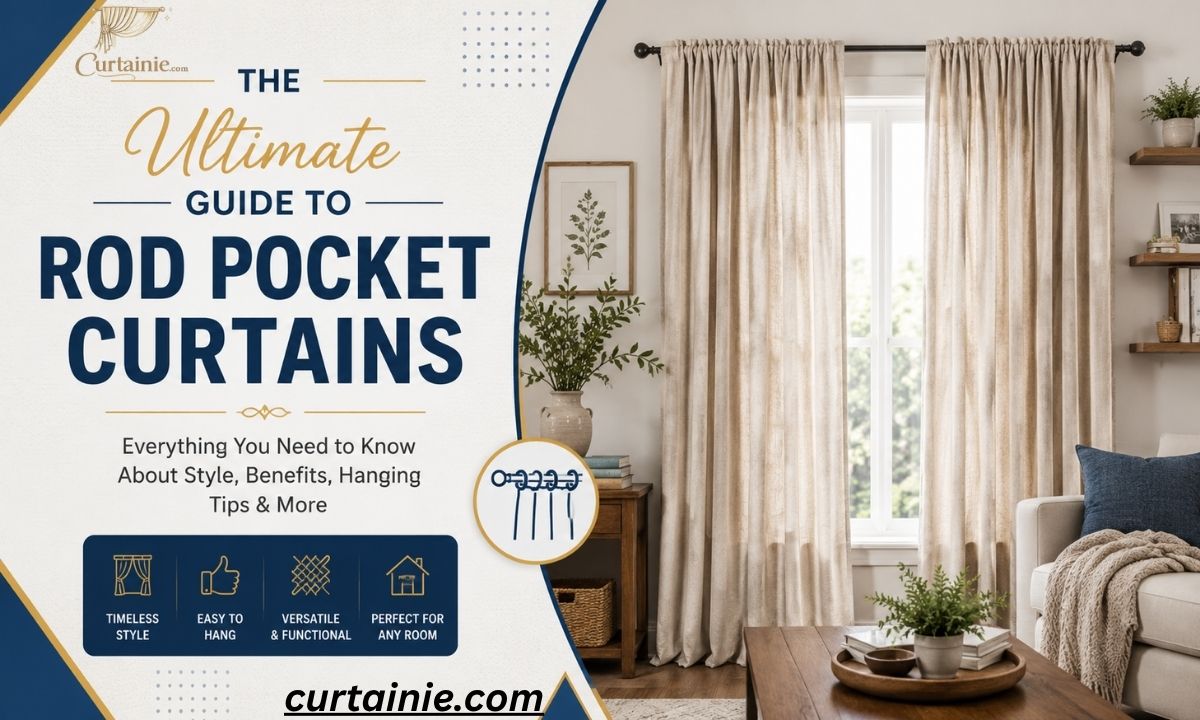
Window treatments are a core foundational element of interior design, serving both functional purposes like privacy and light control, and aesthetic goals like softening architectural lines. Among the oldest, simplest, and most enduring window treatment styles is the rod pocket curtain. Also widely referred to as pole pocket or casing curtains, this design has stood the test of time due to its classic appearance, clean installation lines, and straightforward utility.
This comprehensive guide breaks down everything you need to know about rod pocket curtains—from structural anatomy and material selection to accurate measuring procedures, professional styling hacks, and essential maintenance.
1. Understanding the Anatomy of Rod Pocket Curtains
Before investing in window textiles, understanding how they are built ensures you pick a design that aligns with your operational expectations. Unlike modern variants that rely on metallic rings, grommets, or intricate rear hooks, a rod pocket curtain features an integrated fabric channel sewn directly along the top edge of the panel.
The structural makeup of these panels relies on four primary components:
- The Casing (The Pocket): This is the hollow channel running horizontally across the top of the fabric. The drapery rod slips directly through this opening. The pocket size typically dictates the maximum rod diameter you can use without causing excessive fabric binding.
- The Header (The Ruffle): Many traditional rod pocket curtains feature an additional line of stitching positioned an inch or two above the main rod casing. When the curtain is gathered onto the rod, this extra fabric bunches upward, creating a decorative ruffle or frill that conceals the top of the rod.
- The Main Panel Body: The primary expanse of fabric hanging below the rod casing. The weight, drape, and lining of this section determine how cleanly the curtain folds hang down toward the floor.
- The Bottom and Side Hems: Weighted or double-turned edges that provide structural stability, preventing the sides from flaring out and ensuring the fabric cascades downward under its own gravity.

2. Structural Comparisons: Rod Pockets vs. Alternative Headings
Choosing the right curtain style requires weighing aesthetic preferences against daily operational requirements. Rod pocket treatments create a distinct visual footprint characterized by dense, closely packed gathers along the rod, completely hiding the hardware beneath.
The table below contrasts rod pockets with other common drapery headings to help you determine which style best suits your space:
| Heading Style | Hardware Visibility | Operational Ease | Aesthetic Footprint | Best Architectural Use |
| Rod Pocket | Completely hidden or minimal header reveal | Lower (high fabric-on-rod friction) | Soft, romantic, densely gathered, casual | Guest rooms, sheers, stationary side panels |
| Grommet (Eyelet) | High (rod runs through exposed metal rings) | High (slides smoothly over metal/wood) | Modern, deep crisp folds, uniform structure | Modern living rooms, high-traffic patio doors |
| Pinch Pleat | Optional (can hide or reveal rings/tracks) | Very High (uses gliders or ring hooks) | Formal, architectural, tailored, traditional | Formal dining rooms, master suites, heavy drapery |
| Tab Top | High (fabric loops hang explicitly below the rod) | Medium-Low (fabric loops stick on matte rods) | Relaxed, bohemian, casual, rustic | Cottages, kitchens, informal workspaces |
3. The Advantages and Strategic Disadvantages
Like any interior design element, rod pocket curtains offer unique structural benefits alongside specific operational constraints.
The Advantages
- Seamless Hardware Concealment: If you prefer not to spend premium budgets on decorative curtain rods, finials, or mounting rings, rod pockets are an ideal solution. The fabric encases the rod entirely, removing the need for high-end aesthetic hardware.
- Clean, Unbroken Overhead Lines: Because there are no gaps between the rod and the fabric panel, rod pockets provide excellent insulation properties and prevent light leaks along the upper edge of the window frame.
- Soft, Organic Fabric Gathering: The bunching of fabric creates a natural, unstructured wave pattern that softens harsh rectangular window frames, making rooms feel cozier and more inviting.
- Ease of Initial Installation: There is no need to measure out precise spacing for curtain pins, pleat hooks, or clip rings. You simply slide the rod through the fabric sleeve and place it onto the wall brackets.
The Disadvantages
- High Frictional Drag: Because the raw fabric casing sits flush against the surface of the curtain rod, opening and closing these curtains creates significant friction. They do not slide across the pole effortlessly like grommets or ring-hung drapes do.
- Large Stack-Back Width: When you pull a rod pocket curtain open, the bunched fabric compresses tightly but takes up substantial horizontal space on the rod. This “stack-back” can block a portion of your window glass, slightly reducing natural ambient light.
- Fabric Wear Over Time: Constant manual pulling can stretch or wear down the internal lining of the pocket, especially with delicate fabrics like silk or sheer voile.
4. Selecting the Optimal Fabric for Rod Pocket Styles
Fabric weight and weave play an essential role in how cleanly a rod pocket curtain gathers on the pole. Heavy, stiff textiles behave differently than airy, loose weaves when compressed horizontally.
Light to Semi-Lightweight Fabrics
- Sheer Voile and Organza: These fabrics are perfectly suited for rod pockets. Their lightweight nature allows them to gather densely without creating bulky, stubborn knots on the rod. They let light filter into a room while maintaining basic daytime privacy.
- Linen and Linen Blends: Linen offers a relaxed, casual texture. A linen rod pocket curtain cascades down with elegant, organic imperfections, making it perfect for coastal, farmhouse, or Scandinavian interior styles.
Medium-Weight Fabrics
- Classic Cotton Duck or Canvas: Cotton provides structural body without excessive weight. It gathers cleanly and holds subtle vertical folds, offering excellent everyday durability and straightforward machine washing.
- Jacquards and Light Brocades: These textured patterns introduce visual depth. When gathered in a rod pocket, the pattern compresses and shifts beautifully under changing light conditions.
Heavyweight Fabrics (Use with Caution)
- Velvet and Heavy Chenille: While velvet offers exceptional acoustic insulation and absolute light blocking, its thick pile creates immense friction inside a tight rod pocket casing. If you choose velvet rod pockets, ensure the pocket diameter is at least twice the size of the rod to allow for basic movement, or plan to use them strictly as stationary, non-moving decorative side panels.
5. Precision Measurement: The Gathering Multiplier
Achieving a high-end, custom look with ready-made or bespoke rod pocket curtains relies on precise math. The most frequent design mistake is ordering panels that match the exact width of the window frame, resulting in a flat, stretched sheet of fabric when closed.
To achieve proper aesthetic fullness, you must calculate your dimensions using a gathering multiplier. Follow this systematic method:
1.Measure the Bracket-to-Bracket Width:Step 1.
Measure the horizontal width of your installed curtain rod from bracket to bracket. Do not include the decorative end finials in this measurement.
2.Apply the Fullness Multiplier:Step 2.
Multiply your rod width by a factor based on your desired look:
- For standard lightweight or medium fabrics, multiply by 2.0x to 2.5x.
- For ultra-sheer fabrics requiring dense fullness, multiply by 3.0x.
- For heavier fabrics used as stationary panels, multiply by 1.5x.
3.Determine Individual Panel Sizes:Step 3.
Divide the total calculated fullness width by the number of panels you plan to hang (typically two panels per window) to find the minimum width requirement for each individual curtain panel.
4.Calculate the Vertical Drop Length:Step 4.
Measure vertically from the top edge of the curtain rod down to your desired end point (the window sill, just below the apron, or flush with the floor).
5.Account for Header Extensions:Step 5.
If your curtain features a ruffled header above the rod pocket, add the height of that header to your total length measurement to ensure the bottom edge of the drapery sits exactly where intended relative to the floor.

6. Professional Interior Design Styling Hacks
If you like the affordability or style of rod pocket curtains but want to elevate their appearance or improve how easily they glide, professional decorators use several clever adaptation techniques.
The Curtain Clip Ring Transformation
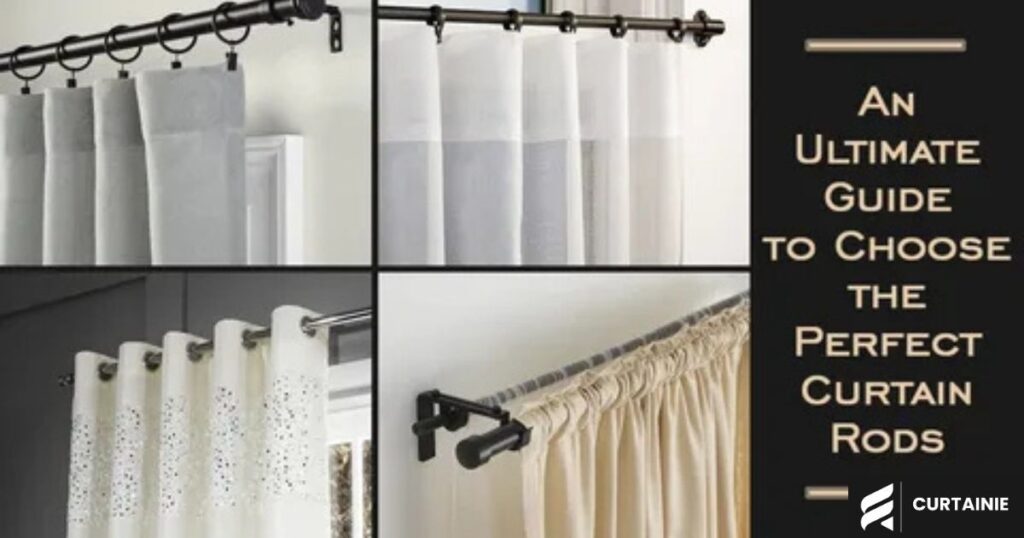
If you grow tired of fighting fabric friction when drawing your curtains daily, you can instantly convert a rod pocket panel into a smooth-gliding ring-top treatment.
Simply clip high-quality metal curtain rings to the top hem of the pocket or the header ruffle at even intervals (typically every 4 to 6 inches). This lowers the panel slightly, exposes your decorative curtain rod, and allows the fabric to glide smoothly across the pole with minimal effort.
The Fake Back-Tab Method
For a tailored, modern look that creates deep, uniform pleats rather than gathered ruffles, you can cut small, vertical slits into the back layer of the rod pocket casing at regular intervals.
By feeding the curtain rod in and out of these rear slits, you create hidden fabric loops (back-tabs). When hung, the front face of the curtain remains smooth and unbroken, dropping down into neat, architectural columns.
Crucial Installation Tip: When using a standard rod pocket over a long window expanse, always install a sturdy center support bracket. The horizontal force required to pull gathered fabric open puts extra stress on the rod, which can cause unanchored drapery hardware to sag over time.
7. Cleaning, Care, and Longevity Maintenance
Because the internal fabric channel comes into direct contact with your curtain rod, it acts as a natural trap for dust, ambient moisture, and micro-particles. Regular care keeps the fabric moving smoothly and looking fresh.
- Vacuuming the Heading: During regular room cleaning, use the soft upholstery brush attachment on your vacuum cleaner to sweep across the top gathered headers, removing accumulated dust before it settles into the fabric weave.
- Washing Protocol: Always follow the specific textile manufacturer care labels. If the panels are machine washable, remove them from the rod, wash on a gentle cycle in cold water, and use a mild detergent to prevent the internal pocket seams from fraying.
- Ironing and Re-hanging: Iron the panels while they are still slightly damp, focusing on pressing out wrinkles along the body and keeping the pocket casing flat. Re-hang the curtains immediately after ironing so the weight of the damp textile helps pull out any remaining faint creases naturally.
Read More ; need to know about rod pocket curtains
8. (FAQS)
What size curtain rod works best for a standard 3-inch rod pocket?
A 3-inch rod pocket comfortably accommodates curtain poles up to 1.5 inches in diameter while leaving enough clearance room for gathering.
Can I hang rod pocket curtains on a flat tension rod inside a window frame?
Yes, lightweight rod pocket curtains are perfectly suited for spring-loaded tension rods mounted inside shallow recessed window casings.
Why do my rod pocket curtains look sparse and thin when pulled closed across the window?
This happens when the total fabric width is too close to the window width; you need panels with a combined width at least double the window size.
How do I fix a rod pocket curtain that keeps bunching up and refusing to slide smoothly?
Applying a thin layer of dry silicone spray or wiping the curtain rod with a wax paper sheet dramatically reduces fabric friction.
Is it necessary to hem the bottom of ready-made rod pocket panels?
Hemming is only required if the fabric pools excessively on the floor or drags awkwardly, interfering with the clean hang of the drapes.
Final Thoughts
Rod pocket curtains remain a staple in interior design for good reason. They offer an effortless blend of classic elegance, soft texture, and cost-effective functionality that few other window treatments can replicate. While they may not be the ideal choice for high-traffic windows that require constant, daily adjustments, their ability to create cozy, beautifully gathered backdrops makes them unmatched for stationary panels, sheer layers, and relaxed living spaces.
Achieving a high-end, custom look with rod pockets doesn’t require a designer budget—it simply requires attention to detail. By using the 2.0x to 3.0x gathering multiplier, selecting fabric weights that complement the pocket size, and leveraging clever styling hacks like curtain rings or hidden back-tabs, you can easily elevate these simple panels into a sophisticated architectural feature.