
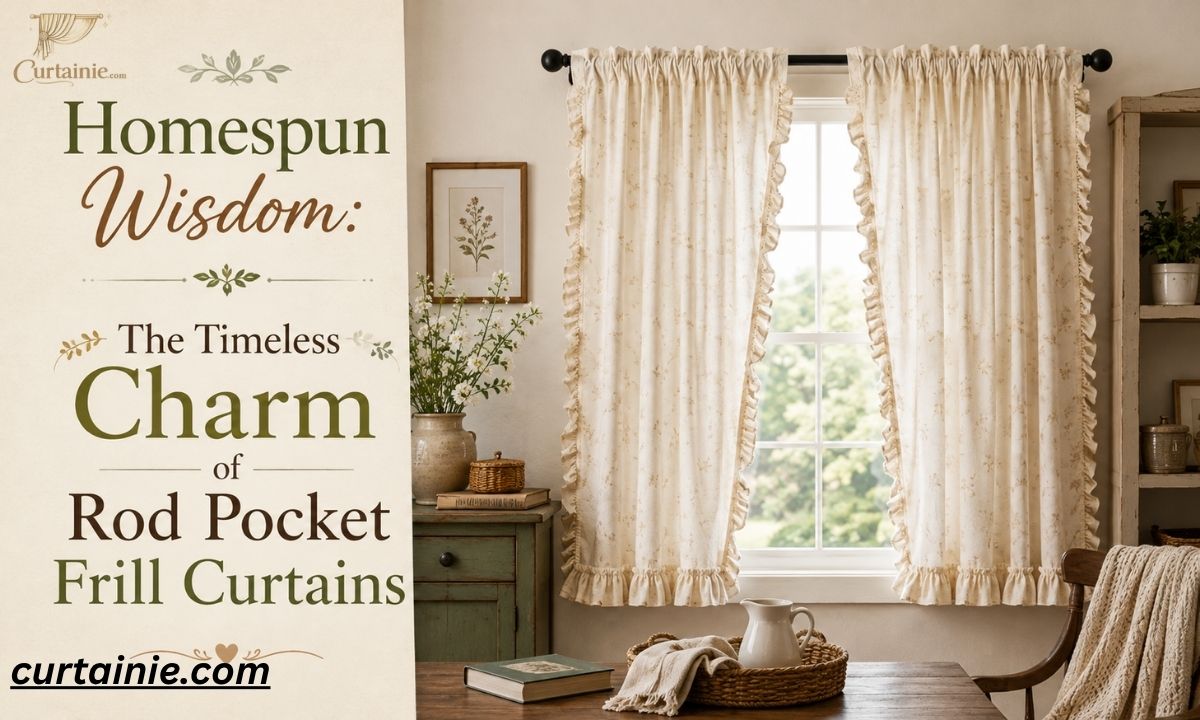
There’s a quiet kind of magic in window treatments stitched by hand. Long before ready-made drapes lined store shelves, families relied on homespun wisdom passed down through generations to dress their windows with fabric that felt personal, practical, and pretty. Among the many styles born from this tradition, rod pocket frill curtains remain one of the most beloved. Their soft ruffles, gentle gathers, and cottage-inspired charm continue to win over homeowners who want warmth and character without complicated hardware or a steep learning curve.
This guide explores everything worth knowing about rod pocket frill curtains—what makes them special, how they’re constructed, which fabrics suit them best, and how to sew or style a set that feels like it belongs in a farmhouse kitchen or a sunlit reading nook.
What Makes Rod Pocket Frill Curtains Special
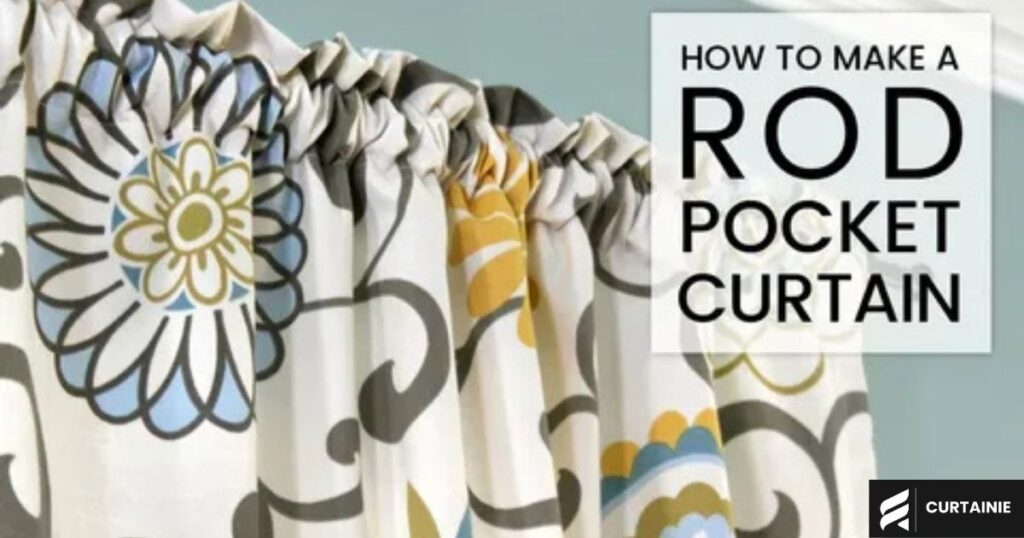
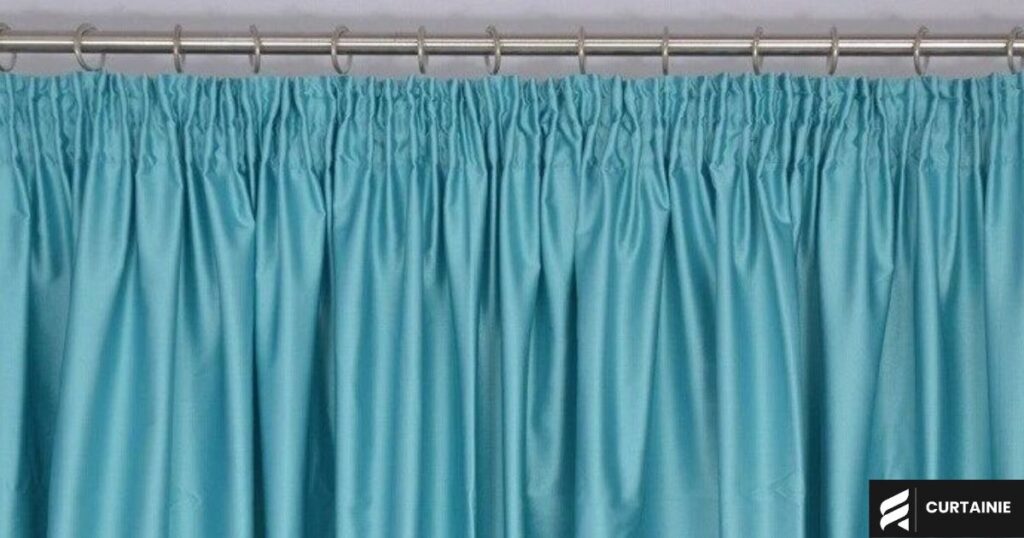
A rod pocket panel is essentially a fabric sleeve sewn along the top edge, through which a curtain rod slides directly. Unlike grommet panels or curtains that rely on rings, hooks, or tabs, this heading style creates a smooth, continuous ruffle of fabric that gathers naturally along the pole. Add a decorative frill—a ruffled edge along the header, hem, or side seams—and you get a look that feels handmade, romantic, and inviting.
This combination works so well because it draws on two design elements that complement each other beautifully:
- Simplicity of construction. No specialized hardware, clips, or pleating tape required.
- Softness of silhouette. The gathered header and ruffled trim add movement, texture, and a lived-in coziness that structured pleats simply can’t replicate.
Because the sewing techniques involved are approachable, this style has become a favorite among beginner sewists looking to furnish their homes affordably while still achieving a polished, boutique-quality result.
A Brief Look at the Tradition Behind the Style
Long before mass production, fabric was precious. Scraps were saved, hems were let out, and every stitch counted. Ruffled curtains grew out of that resourcefulness—thin cotton or linen panels gathered onto simple poles, often finished with whatever trim or lace a household had on hand. The rod pocket heading was practical: it required no buttons, no rings, nothing beyond a needle, thread, and a steady hand.
That practicality never went out of style. Today, the technique still reflects the same values that inspired it: thrift, patience, and pride in doing something yourself. It’s this heritage that gives rod pocket frill curtains their nostalgic, homespun appeal, even when made with modern fabrics and sewing machines.
Choosing the Right Fabric
Fabric choice shapes both the look and the performance of your finished curtains. Here are some popular options and what each brings to the table.
Cotton
Breathable, easy to launder, and simple to gather, cotton is the go-to choice for most home sewists. Lightweight cotton lawn or voile creates airy, translucent panels perfect for kitchens and bedrooms, while medium-weight cotton offers more structure and better light control.
Linen
Linen brings a relaxed, textured elegance to any room. Its natural slubs and slightly rumpled finish pair beautifully with a gathered header, giving off an effortless farmhouse or coastal vibe. It does wrinkle more than cotton, so many people embrace that as part of the aesthetic rather than fighting it.
Gingham and Calico
For a nostalgic, country-cottage feel, checkered gingham or small floral calico prints are classic companions to ruffled trim. These patterns have long been staples of kitchen curtains and café-style panels.
Sheer Fabrics
Voile, organza, and lightweight polyester sheers let in soft, diffused light while still offering a decorative ruffle. They work particularly well layered under heavier drapery panels.
Whichever fabric you choose, aim for something that drapes well and doesn’t fray excessively at the edges, since ruffles involve multiple raw seams that need clean finishing.
Measuring Your Window: The First Step to Success
Before cutting a single piece of fabric, accurate measurements prevent wasted material and disappointing results.
- Measure the rod length, not just the window width, since curtains typically extend a few inches beyond the frame on each side for a fuller look.
- Decide on curtain fullness. For a gathered rod pocket style, most sewists use one and a half to two times the rod width in fabric to achieve soft, generous folds.
- Measure the drop, or vertical length, from where the rod will sit down to your desired hem point—whether that’s sill length, apron length, or floor length.
- Add allowances for the rod pocket casing at the top, a heading above the pocket if desired, and a hem at the bottom.
Taking time here saves frustration later, especially once ruffles are added and adjustments become trickier.
Sewing Rod Pocket Frill Curtains: A Step-by-Step Overview
While exact techniques vary depending on personal preference, the general process for creating this style follows a familiar rhythm.
Step 1: Cut and Prepare Your Panels
After washing and pressing your fabric to prevent future shrinkage, cut your panels according to your calculated width and length, including seam allowances.
Step 2: Finish the Side Seams
Fold each side edge under twice to create a clean, enclosed seam, then stitch. This keeps the curtain looking tidy from both the front and back, which matters since these panels often catch light and are viewed from multiple angles.
Step 3: Create the Rod Pocket
Fold the top edge down to form a casing wide enough for your chosen rod, then stitch along the folded edge. Many sewists add a small header above the stitch line—an extra ruffle-like flourish that peeks above the rod once the curtain is hung.
Step 4: Prepare the Frill
The ruffle itself is typically made from a long strip of fabric, gathered using a basting stitch, a ruffling foot, or a simple running stitch pulled tight. The gathered strip is then pinned evenly along the header, hem, or leading edge before being sewn into place.
Step 5: Hem the Bottom
Fold and press the bottom edge, stitching a clean double hem to weigh the panel down slightly and keep it hanging straight.
Step 6: Press and Hang
A final press smooths out any puckering from the gathering process. Slide the rod through the pocket, distribute the gathers evenly, and hang the panels on their bracket.
Styling Tips for a Cohesive Look
Once your curtains are finished, a few finishing touches can elevate the overall presentation.
- Coordinate with tiebacks. A simple fabric tie or ribbon can hold panels open during the day, showcasing the ruffle detail while still allowing natural light in.
- Layer with solid drapes. Pairing a ruffled sheer with a solid, heavier curtain behind it adds depth and functional light control.
- Mind the proportions. Wider ruffles suit larger windows and higher ceilings, while narrow, delicate frills feel more at home in cozy cottage-style spaces.
- Match hardware to the mood. Wooden poles lean rustic, while slender metal rods lend a slightly more refined edge to the same silhouette.

Caring for Your Curtains
Homemade textiles last longest when cared for gently. Most cotton and linen rod pocket panels can be machine washed on a cool, gentle cycle and hung to dry, which also helps them keep their shape. Ironing on a low setting while the fabric is still slightly damp makes pressing out wrinkles far easier, particularly around the gathered ruffle where fabric layers overlap.
For delicate sheers, hand washing or a mesh laundry bag on a gentle cycle helps preserve the fine weave and prevents snagging on the ruffled trim.
Why This Style Still Resonates Today
In an era of mass-produced décor, there’s something quietly rebellious about choosing to sew your own curtains. Rod pocket frill panels represent more than a window covering—they carry forward a tradition of resourcefulness, patience, and personal expression. Every uneven gather or slightly imperfect seam becomes part of the story, a reminder that a home filled with handmade touches feels warmer than one furnished entirely from a catalog.
Whether you’re a lifelong seamstress or picking up a needle for the first time, rod pocket frill curtains offer an accessible entry point into home sewing. The technique is forgiving, the materials are affordable, and the payoff—a window dressed in soft, romantic ruffles—brings undeniable charm to any room.
Read More ; homesewn wisdom rod pocket frill curtains
(FAQS)
How much fabric do I need for rod pocket frill curtains? Plan on one and a half to two times your rod’s width, plus extra yardage for the ruffle strips and hems.
Can beginners sew this curtain style easily? Yes, the rod pocket heading and straightforward gathering technique make it one of the most beginner-friendly curtain projects.
What’s the best fabric for a soft, gathered ruffle? Lightweight cotton, linen, or voile gather smoothly and hold a delicate, natural-looking frill.
How do I keep the gathers even along the rod? Distribute the fabric by hand after hanging, smoothing small sections at a time until the folds look balanced.
Are rod pocket curtains easy to wash and maintain? Most cotton and linen panels handle a gentle machine wash and air dry well, keeping their shape and softness.
Final Thoughts
Rod pocket frill curtains sit at the intersection of practicality and beauty. They ask little in terms of hardware or advanced skill, yet they deliver a distinctly homespun elegance that store-bought alternatives rarely match. By choosing the right fabric, measuring carefully, and following a few simple sewing steps, anyone can create panels that feel both nostalgic and completely their own.
So the next time you’re considering a window refresh, think beyond the ready-made aisle. A little homespun wisdom—paired with fabric, thread, and a willingness to learn—might just result in the coziest, most charming curtains your home has ever seen.