
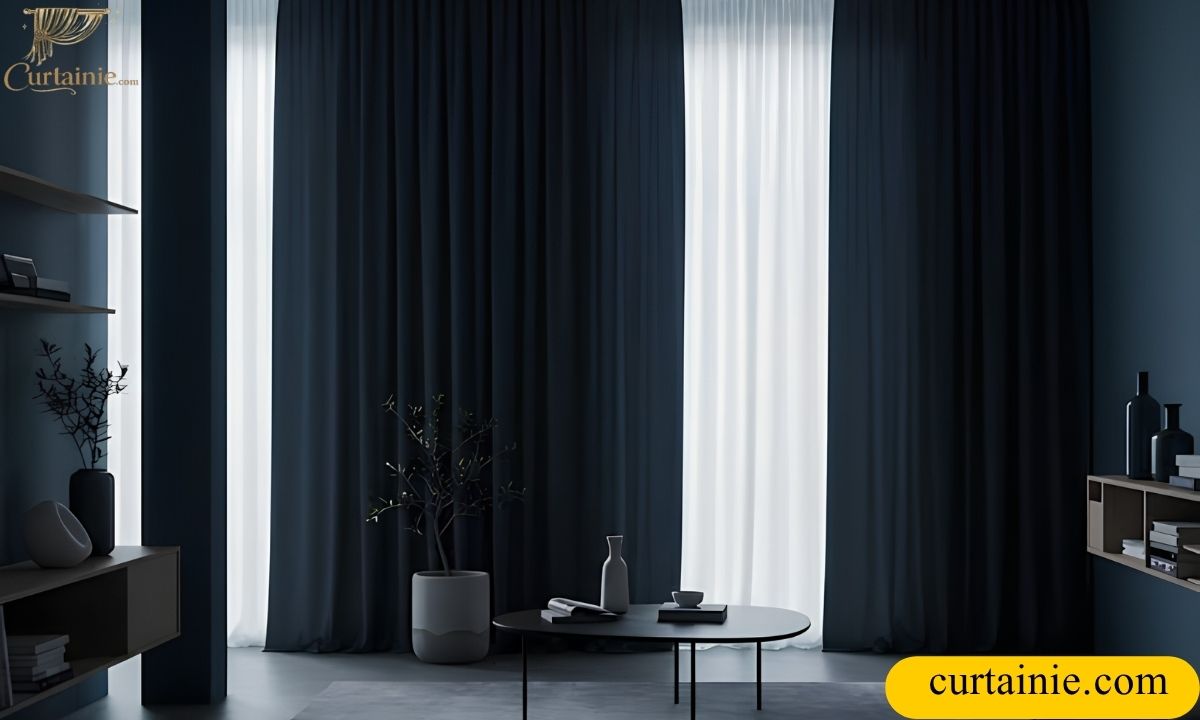
If you’ve ever tossed and turned because a streetlight kept glowing through a thin curtain gap, you already understand the appeal of blackout fabric. It’s one of the simplest upgrades you can make to a bedroom, nursery, or home theater, yet most people buy their first set of blackout curtains without really knowing what they’re getting.
This guide breaks down what blackout fabric actually is, how it differs from light-filtering and room-darkening options, which materials perform best, and how to measure, mount, and style blackout curtains so they actually work.
What Blackout Curtains Are and Why They Are Useful in the Home
Blackout curtains are window treatments made from tightly woven or specially coated fabric designed to block almost all incoming light. Unlike standard drapes, they usually combine a decorative face fabric with an opaque backing layer, so the two work together instead of relying on one thin panel to do all the work.
They’re useful for far more than sleep:
- Better sleep quality for night-shift workers, babies, and light-sensitive sleepers
- Home theater and media rooms where glare ruins screen contrast
- Privacy in ground-floor rooms or street-facing windows
- Temperature control, since the dense layers slow heat transfer through the glass
- UV and sun damage protection for furniture, flooring, and artwork
Best Fabric for Blackout Curtains
Not all blackout fabrics are built the same way, and the base material affects drape, durability, and price.
| Fabric type | Feel & look | Best for |
| Triple-weave polyester | Soft, cotton-like drape | Bedrooms, everyday use |
| Velvet with blackout lining | Heavy, luxurious | Living rooms, formal spaces |
| Acrylic-coated cotton | Crisp, structured | Nurseries, kids’ rooms |
| PVC or foam-backed fabric | Stiff, highly opaque | Media rooms, extreme light control |
| Suede-effect blackout | Textured, warm tone | Studies, dens |
Polyester-based triple-weave fabric remains the most popular choice because it balances light-blocking performance, softness, and cost. Velvet options add insulation and a more upscale look but come with more weight and higher maintenance.
Also read this curtain:Are Window Curtain Valances Out of Style in 2026?
Differences Between Filter, Semi-Darkening and Blackout Curtains
People often use these terms interchangeably, but they describe very different levels of light control.
- Light-filtering curtains let diffused daylight through while softening glare and adding privacy. They don’t create real darkness.
- Semi-darkening (room-darkening) curtains block a significant portion of light — often 70–95% — but small gaps of brightness usually remain, especially around the edges.
- Blackout curtains are engineered to block roughly 99% of light when hung correctly, with almost no gaps for glow or glare.
Thermal Blackout Curtains
Thermal blackout curtains add an extra insulating layer to the standard blackout construction. This layer traps air between the fabric and the window, reducing heat loss in winter and heat gain in summer. They’re a strong pick for older homes with single-pane windows or rooms that swing between too hot and too cold.
Benefits of Blackout Curtains: Darkness, Privacy and Thermal Comfort
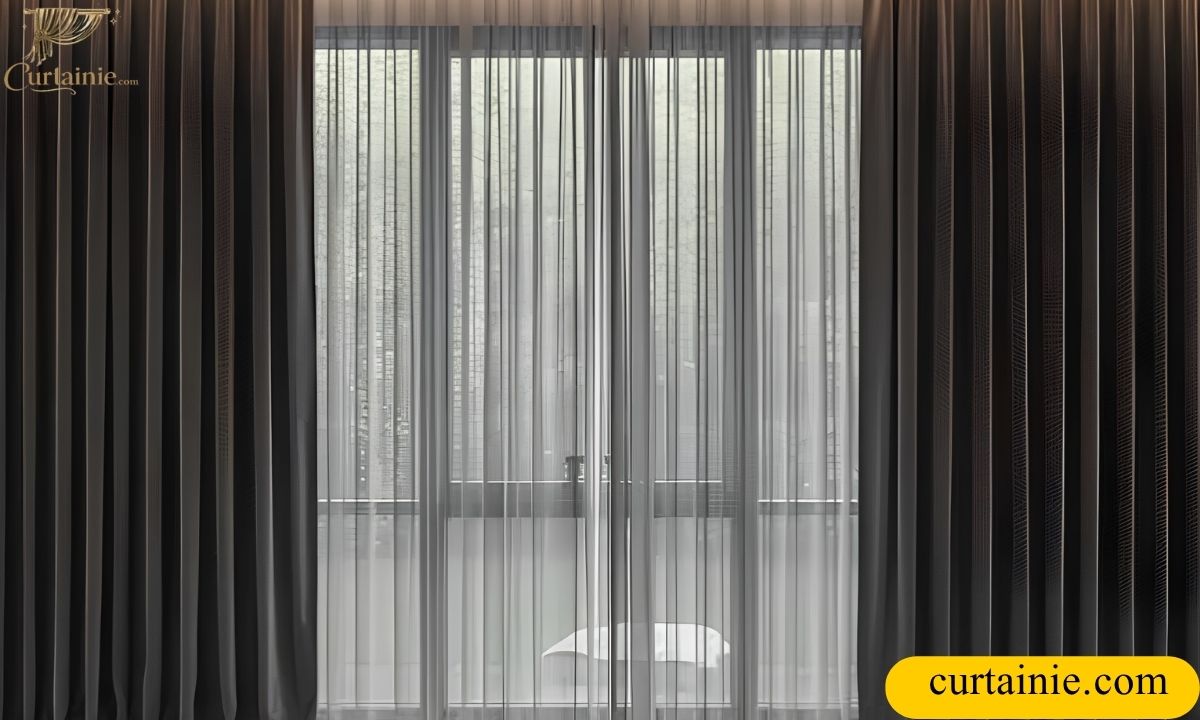
The three headline benefits of blackout fabric work together rather than in isolation:
- Darkness — creates the pitch-black environment needed for deep, uninterrupted sleep and accurate screen viewing.
- Privacy — the dense weave prevents anyone outside from seeing in, day or night, once the fabric is lined.
- Thermal comfort — the multiple layers slow heat exchange through glass, easing the load on heating and cooling systems and often lowering energy bills.
A secondary benefit worth mentioning: many blackout fabrics also dampen outside noise, since the thick layers absorb sound waves rather than just reflecting light.
Blackout Fabrics: Technical Features and How to Choose the Right Material
Choosing the right blackout fabric comes down to understanding a handful of technical specs rather than judging by color alone.
Plot, Weight and Composition of Blackout Fabrics
- Plot (weave density): A tighter weave, or “plot,” blocks more light per layer and generally feels more substantial in hand.
- Weight: Blackout fabrics typically run heavier than standard drapery, often 250–400 GSM (grams per square meter) or more for coated versions. Heavier fabric hangs with a fuller, more polished look but needs sturdier hardware.
- Composition: Most blackout fabrics are polyester or polyester-cotton blends, sometimes finished with an acrylic, foam, or PVC backing coat that physically blocks light rather than relying on weave alone.
How to Recognize Thermal Fabrics and Blackout Fabrics
A quick way to tell them apart: hold the fabric up to a bright light.
- If light passes through as a soft glow, it’s light-filtering or semi-darkening.
- If almost no light passes through and the fabric feels notably heavier with a slightly rubbery or napped backing, it’s true blackout.
- Thermal fabrics often have a visible extra lining layer (sometimes silver or white) sewn or bonded to the back, distinguishing them from single-layer blackout weaves.
Thermal Curtains
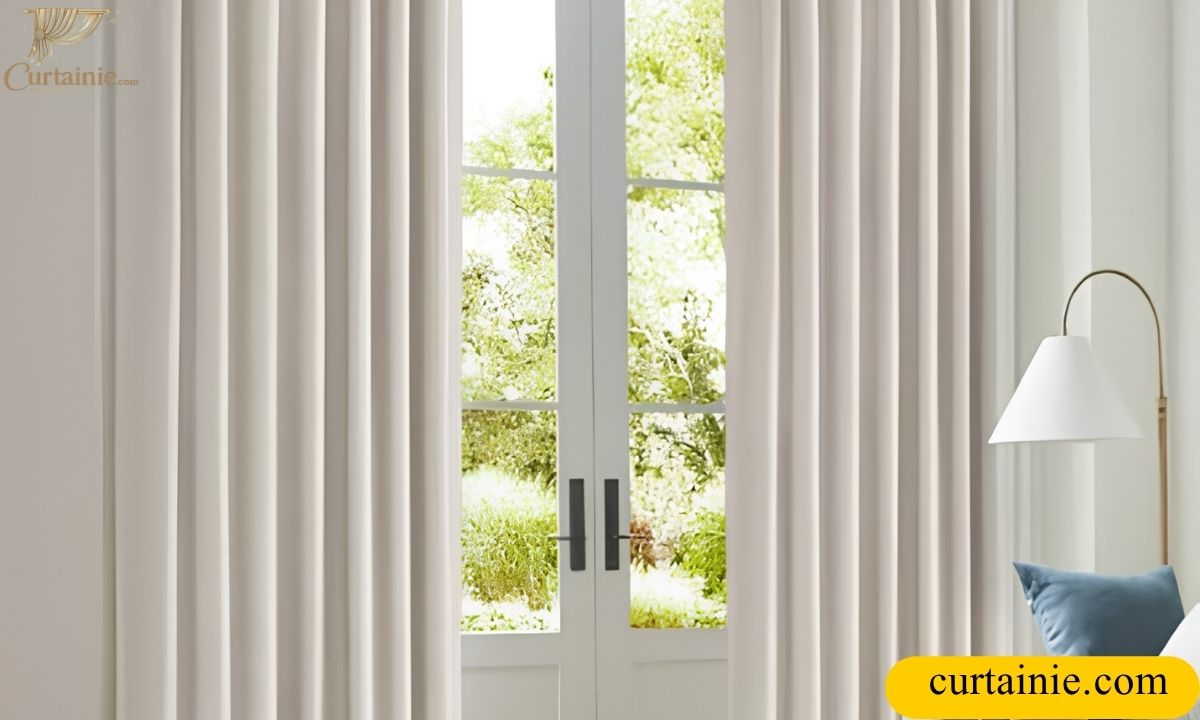
Thermal curtains prioritize insulation first and light-blocking second. Many double as semi-blackout, but true thermal-blackout hybrids combine both properties in one panel, which is worth checking on the product label before buying.
Tessuto Dark Ignifugo
“Tessuto Dark Ignifugo” refers to a flame-retardant blackout fabric (common in the Italian and European contract textile market) used in settings where fire-safety certification is required, such as hotels, offices, and public buildings. If you’re furnishing a commercial space, always confirm the fabric carries a recognized fire-safety certification before installation.
Colors and Finishes: How to Combine Blackout Curtains with Furniture
Blackout fabric no longer means bulky, dated drapes. Modern finishes range from matte cotton-look weaves to subtle sheens and embossed textures.
- Neutral tones (grey, taupe, off-white) blend into most interiors and don’t visually shrink the room.
- Deep tones (navy, charcoal, forest green) add drama and hide the fabric’s inherent thickness well.
- Printed or textured blackout fabric works in kids’ rooms or eclectic spaces without sacrificing performance.
- Match the curtain’s undertone (warm or cool) to your flooring or largest furniture piece for a cohesive look, rather than matching it exactly to the wall color.
How to Measure and Install Blackout Curtains Correctly
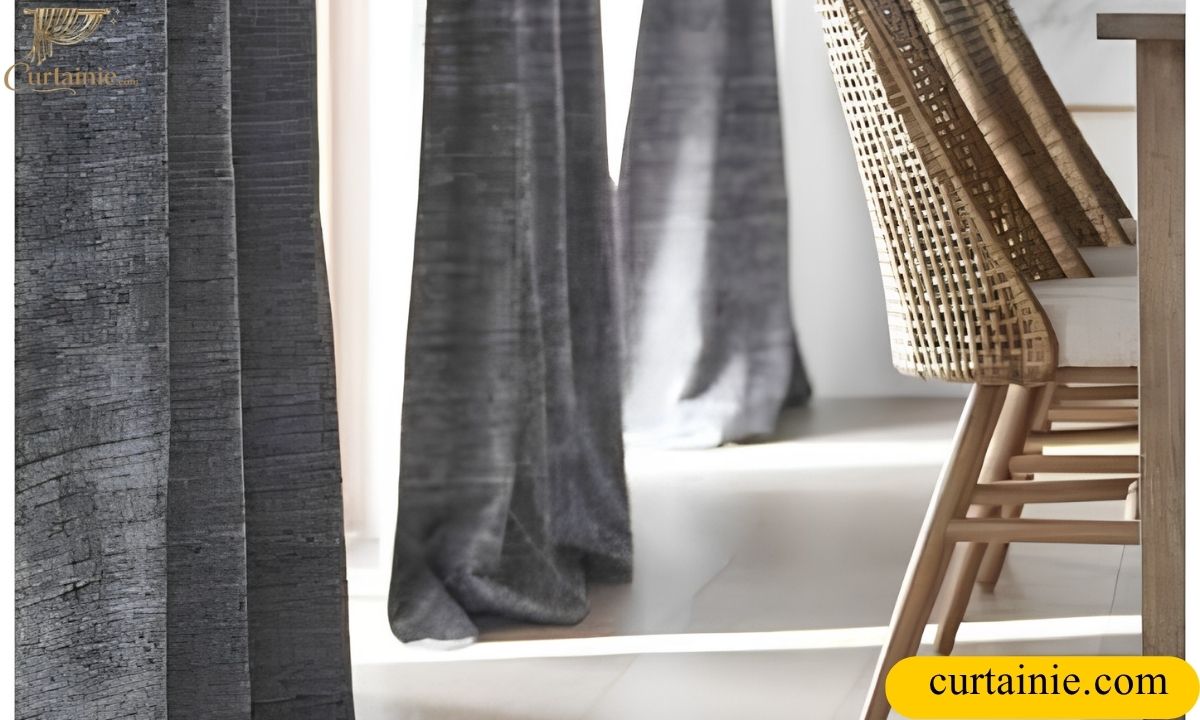
Even premium blackout fabric fails at its job if it’s hung with gaps. Correct sizing and mounting matter as much as the material.
Blackout Curtains for Bedroom
For bedrooms, an outside-mount installation almost always outperforms inside mount, since it lets the panels extend beyond the window frame and reduce light bleed at the edges.
How to Measure Windows and French Doors for Blackout Curtains
- Measure the width of the window or door frame, then add 10–15 cm (4–6 inches) of overlap on each side.
- Measure the height from where the rod will sit down to your desired hem — sill, apron, or floor length.
- Mount the rod higher and wider than the frame — typically 15–20 cm above and extending well past each side — to eliminate top and side light leaks.
- For French doors, measure clearance for the door swing and choose a mount that won’t obstruct opening, such as a ceiling track or side-mounted rod set back from the door arc.
Mounting Types: Stick, Track, Roller and Blackout Package
| Mounting type | How it works | Best use case |
| Stick/rod (pole) | Curtain rings or tabs slide on a fixed rod | Standard windows, decorative look |
| Track | Curtains glide on a ceiling- or wall-mounted channel | Wide windows, bay windows, heavier fabric |
| Roller blind | Fabric rolls up/down on a spring or chain mechanism | Minimalist rooms, layering behind curtains |
| Blackout package (curtain + integrated liner or side channels) | Combines panel and sealing system in one kit | Maximum light control, rentals |
Blackout Solutions for Attics, French Windows and Special Fixtures
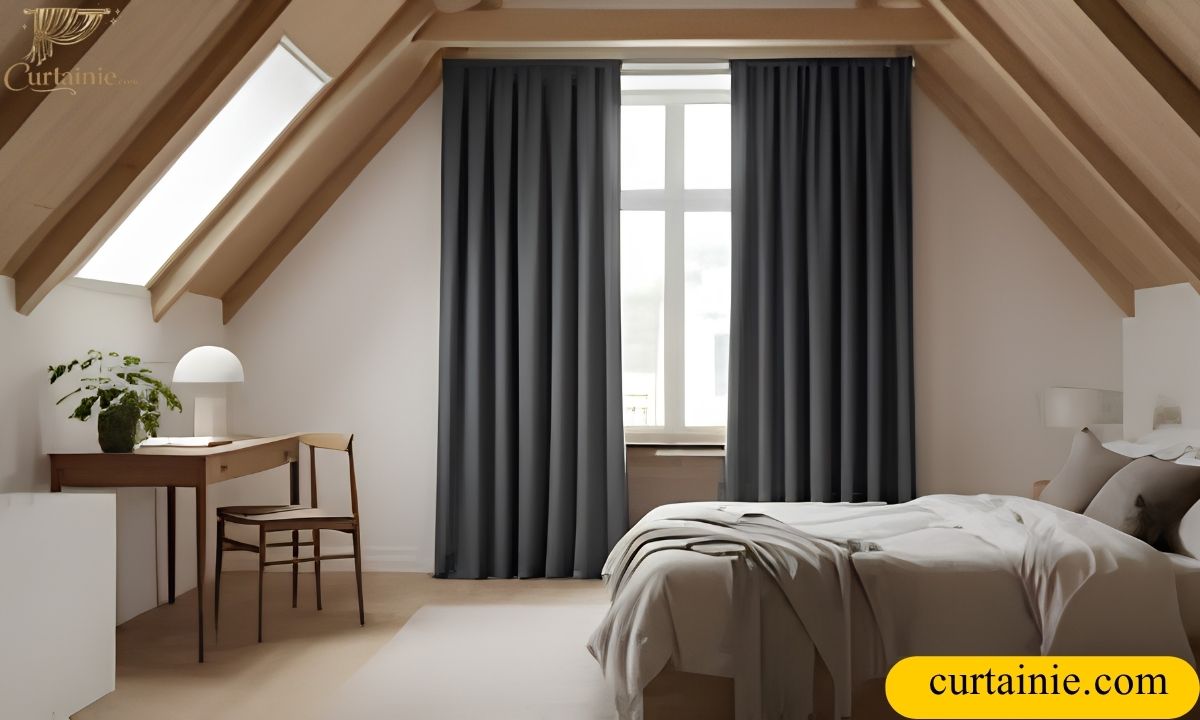
- Attic and skylight windows often need a track-mounted or tension-rod blackout panel cut to an angled frame, since standard rods won’t fit sloped ceilings.
- French windows benefit from side-hinged rods or magnetic edge seals that keep the fabric flush against the frame when the doors open inward.
- Bay and irregular windows are best handled with bendable or cut-to-size tracks rather than a single straight rod.
Blackout Curtains and Style: How to Integrate Them Into Your Home Design
Furnishing Styles Compatible with Blackout Curtains
Blackout fabric now comes in enough finishes to suit nearly any interior style:
- Minimalist/Scandinavian — plain matte weaves in white, grey, or oatmeal
- Modern/contemporary — solid deep tones with clean, floor-length drops
- Classic/traditional — velvet or textured blackout with pleated headers
- Eclectic/bohemian — printed or patterned blackout panels layered with sheers
How to Match the Colors and Materials of Blackout Curtains to the Environment
- Pull one accent color from cushions, rugs, or wall art to tie the curtain into the existing palette.
- In small rooms, choose a color close to the wall tone so the curtain doesn’t visually cut the space.
- Pair heavier blackout fabric with lighter furniture finishes (wood, linen) so the room doesn’t feel weighed down.
- Layer sheers in front of blackout panels for daytime softness while keeping full darkness available at night.
Also read this curtain:Blackout Fabric for Curtains: Pros, Cons & Key Benefits
FAQs
Is blackout fabric good for curtains?
Yes, blackout fabric is great for curtains if you want maximum light control, privacy, and energy savings, though it can make a room feel darker and less airy than sheer or regular fabrics.
What are the disadvantages of blackout curtains?
The main downsides are reduced natural light, a heavier and sometimes stiffer look, less breathability, and a higher price compared to standard curtains.
Do blackout curtains block all light?
No, most blackout curtains block 90-99% of light, not 100%, since some light can still leak in around the edges and top of the panel.
Are blackout curtains good for bedrooms?
Yes, blackout curtains are ideal for bedrooms because they help you sleep better by blocking outside light, streetlights, and early morning sun.
Do blackout curtains save energy?
Yes, blackout curtains help save energy by insulating windows, keeping rooms cooler in summer and warmer in winter, which can lower heating and cooling costs.
Summary
Blackout fabric earns its popularity honestly: it delivers real darkness, added privacy, noticeable thermal benefits, and even some noise reduction, all in one window treatment. The key to getting those benefits is choosing the right fabric weight and composition for your room, then measuring and mounting the curtains so there are no gaps for light to sneak through. Whether you’re outfitting a nursery, a home theater, or a light-sensitive bedroom, matching the right blackout fabric, mounting style, and color palette to your space turns a functional fix into a design feature.