
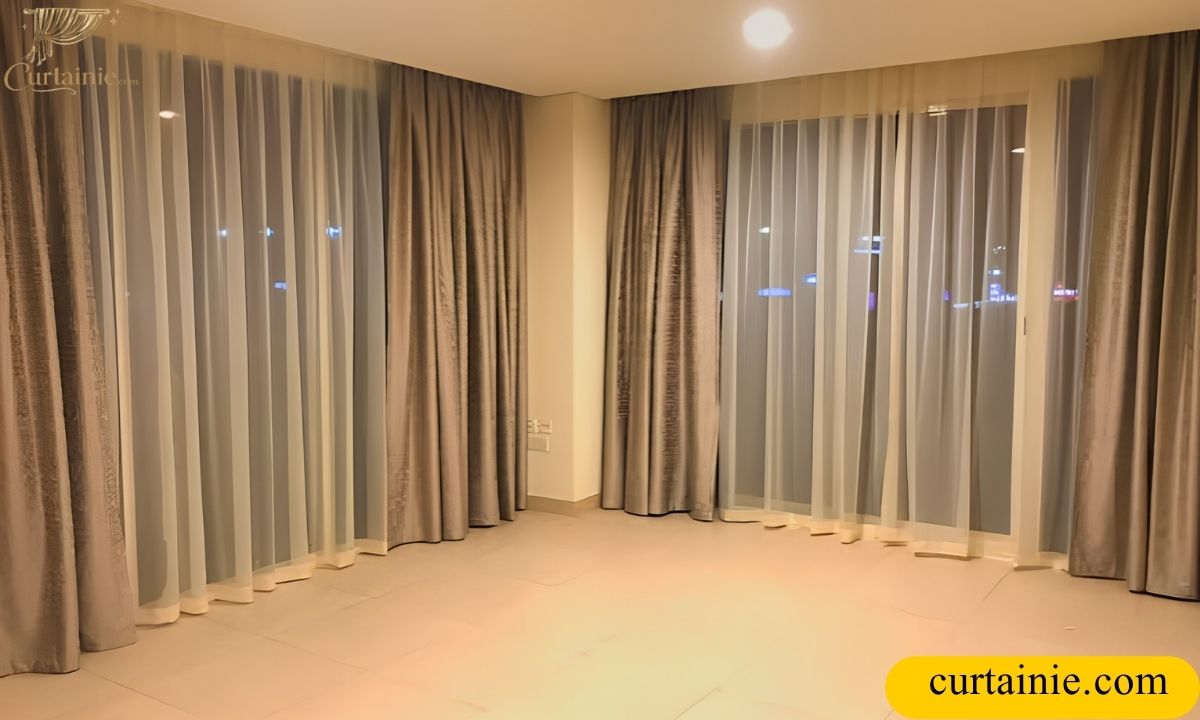
If you’ve ever tossed and turned because a streetlight was creeping through your blinds, you’ve probably wondered whether blackout curtains actually solve the problem — or if they’re just another home-decor buzzword. The short answer is yes, blackout curtains work, but how well they work depends on the fabric, the fit, and how they’re installed.
This guide breaks down exactly how blackout curtains function, what they can and can’t do, and whether they’re worth the investment for your home.
What Are Blackout Curtains?
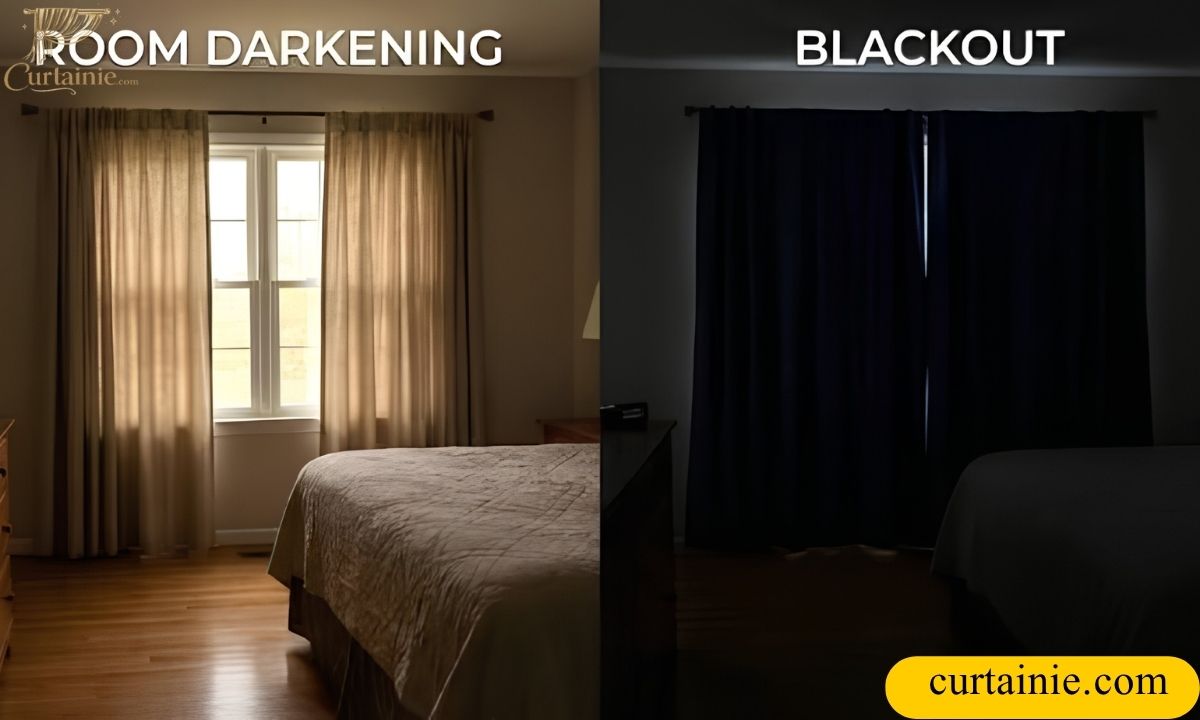
Blackout curtains are window treatments made from tightly woven, multi-layered fabric designed to block sunlight and artificial light from entering a room. Unlike standard drapes or “room-darkening” curtains, true blackout curtains use a dense outer fabric combined with an opaque inner lining, so little to no light passes directly through the material.
They’re commonly used in:
- Bedrooms and nurseries
- Home theaters and media rooms
- Guest rooms for shift workers
- Apartments in cities with heavy light pollution
Manufacturers typically rate blackout fabric by how much light it blocks — often 95% to 99%+ — though that number only tells part of the story, as you’ll see below.
Also read this curtain:Are Window Curtain Valances Out of Style in 2026?
Do Blackout Curtains Actually Block 100% of Light?
Technically, high-quality blackout fabric can block nearly all light that tries to pass through it. But almost no bedroom achieves true, 100% pitch-black darkness, and the fabric usually isn’t the reason why.
Light doesn’t just travel through curtain material — it sneaks around it. The most common leak points are:
| Leak Point | Why It Happens |
| Side gaps | Curtain panels are narrower than the wall space they cover |
| Top gaps | Rod is mounted too close to the window, leaving space near the ceiling |
| Bottom gaps | Curtains are hemmed too short and don’t reach the floor or sill |
| Center gap | Panels don’t overlap enough when closed |
So while the fabric itself may block close to 100% of light, the room rarely does — unless the curtains are installed with total coverage in mind.
How Do Blackout Curtains Work?
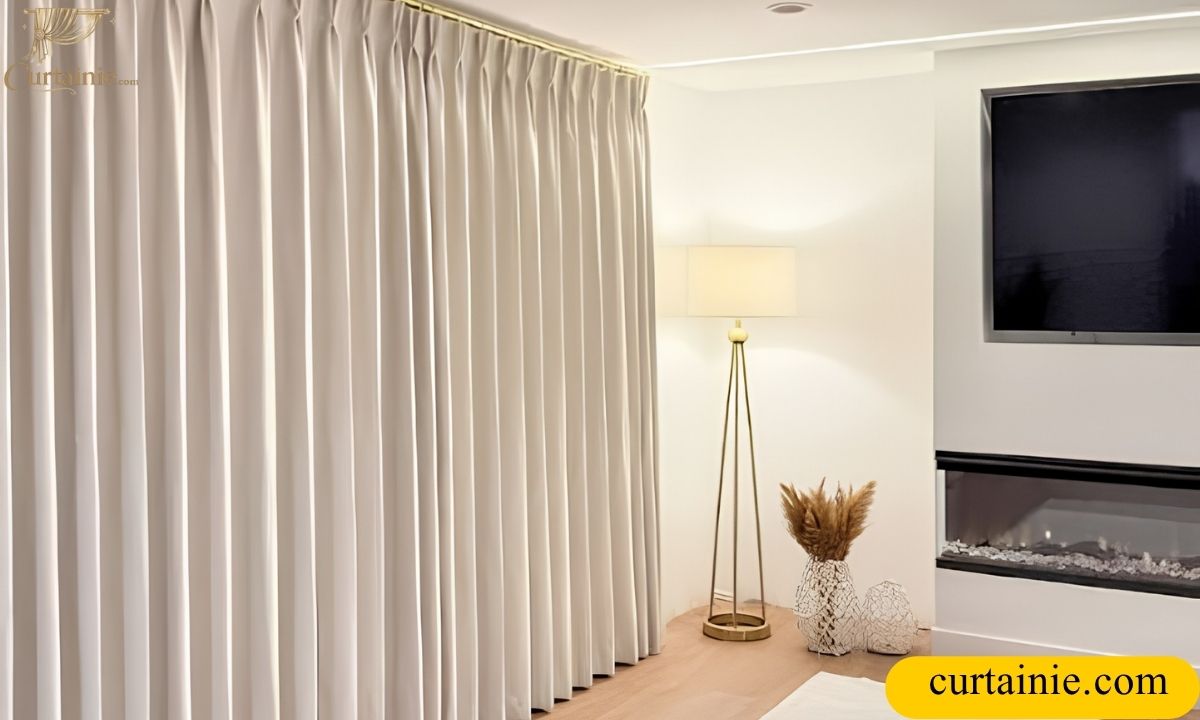
Blackout curtains rely on three core design elements working together.
Dense fabric
The base layer is made from tightly woven synthetic or cotton-blend fibers. The tighter the weave, the fewer microscopic gaps light can pass through.
Special backing
Most blackout curtains include a foam, acrylic, or triple-woven backing layer bonded to the fabric. This backing is what actually blocks the light — a heavy curtain without this lining is closer to “room-darkening” than true blackout.
Full window coverage
Even the best fabric fails if the curtain doesn’t extend beyond the window frame. Panels should overlap in the middle and extend several inches past the sides, top, and bottom of the window to close off leak points.
Do Blackout Curtains Become Less Effective Over Time?
Yes, to a degree. Repeated washing, sun exposure, and general wear can thin out the backing layer and slightly reduce light-blocking performance over several years. Curtains that are frequently exposed to direct, intense sunlight may fade or degrade faster than those in shaded windows. Following the manufacturer’s cleaning instructions — usually a gentle cycle or spot cleaning — helps preserve their performance for longer.
Benefits of Blackout Curtains
Better Sleep Environment
This is the number one reason people buy blackout curtains. Light exposure — even dim light from streetlamps or electronics — can suppress melatonin production and disrupt your circadian rhythm, making it harder to fall and stay asleep. By creating a genuinely dark room, blackout curtains help signal to your brain that it’s time to rest, which is especially valuable for:
- Shift workers who sleep during daylight hours
- Parents trying to get toddlers to nap
- Light-sensitive sleepers
- People in cities with heavy nighttime light pollution
Improved Privacy
Because the fabric is opaque, blackout curtains prevent people outside from seeing into your room, day or night — something sheer curtains and many blinds can’t fully guarantee, especially after dark when interior lights are on.
Reduced Screen Glare
For home theaters, gaming rooms, or work-from-home setups near a window, blackout curtains cut down glare on TVs, monitors, and projectors, making picture quality noticeably better during the day.
Better Temperature Control
The same dense fabric and lining that block light also act as a thermal barrier. In summer, blackout curtains help reflect heat and keep rooms cooler, easing the load on your air conditioner. In winter, they help trap warm air inside, reducing drafts near the window. The result can be a modest reduction in energy bills, particularly in rooms with older or single-pane windows.
Luxury Hotel Feel
Many hotels use blackout drapery for a reason — it creates a hushed, cocoon-like atmosphere that feels more premium than standard curtains. Floor-to-ceiling panels, in particular, add a tailored, high-end look while doubling as functional light control.
What Are the Downsides of Using Blackout Curtains?
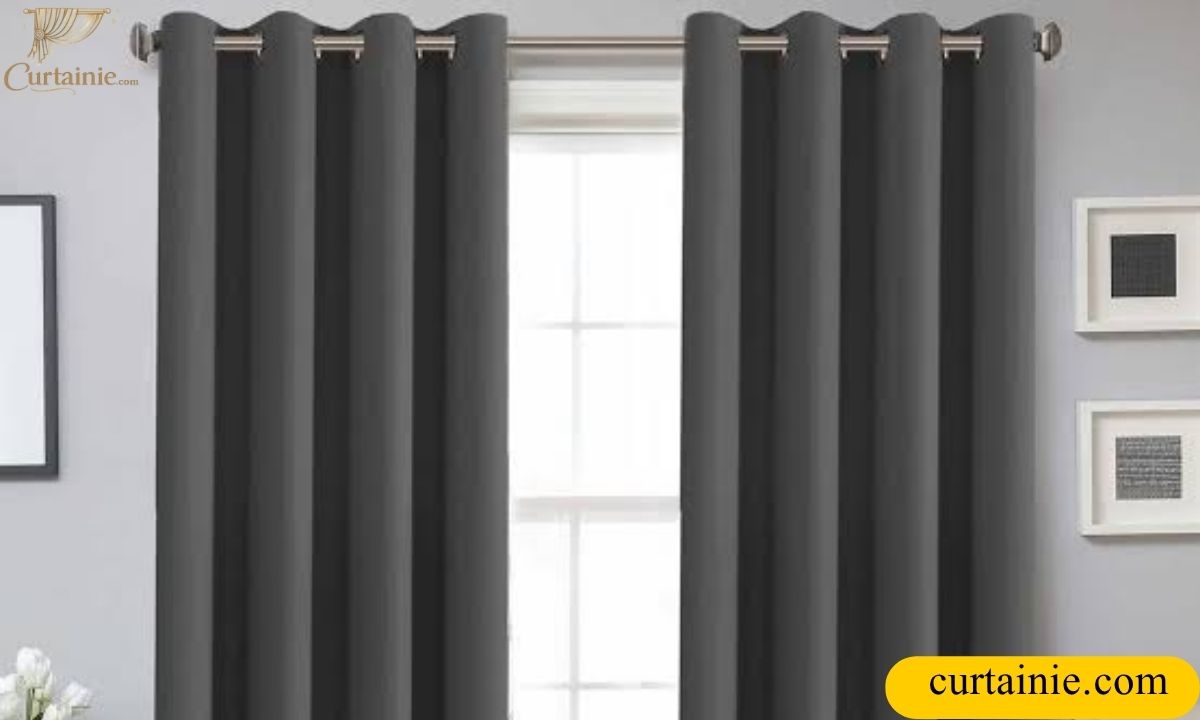
Blackout curtains aren’t perfect for every room or every person. Common drawbacks include:
- Blocks natural light completely — not ideal if you like waking up with sunlight or want a bright living space during the day
- Can make rooms feel smaller or darker — especially in already low-light spaces
- Harder to clean than blinds, since many need to be taken down for washing or dry cleaning
- Some budget options use PVC-based backing, which a small number of people prefer to avoid for material-sensitivity reasons
- Upfront cost can be higher than basic curtains or blinds, especially for made-to-measure panels
Are Blackout Curtains Better Than Blinds?
It depends on your priority. Here’s a side-by-side look:
| Factor | Blackout Curtains | Blackout Blinds |
| Light blocking | Excellent, if fitted with full coverage | Good, but frame gaps can let light through |
| Installation | Rod-mounted, hangs away from window | Mounted directly on the window frame |
| Privacy | Very high, especially floor-length panels | High, but slats can be seen through at an angle |
| Insulation | Strong thermal and noise benefits | Moderate insulation |
| Cleaning | Requires washing or dry cleaning | Easier to wipe down |
| Space usage | Takes up more wall space | Compact, ideal for small windows |
| Best for | Bedrooms, nurseries, media rooms | Minimalist rooms, rentals, small windows |
In short: curtains generally win on darkness, privacy, and insulation, while blinds win on space-saving and easy maintenance. Many homeowners layer both — blackout roller blinds close to the glass with curtain panels over the top — for maximum light control and flexibility.
Is It Worth Getting Blackout Curtains?
For most people who struggle with light-disrupted sleep, live in a bright urban area, work night shifts, or want a more restful bedroom, blackout curtains are a worthwhile investment. They’re relatively inexpensive compared to other sleep or energy-efficiency upgrades, and the benefits — better sleep, added privacy, and some insulation — tend to outweigh the downsides for bedrooms and media rooms.
If your main goal is daytime light control with flexibility rather than total darkness, blinds or a layered approach may serve you better.
Also read this curtain:Do Blackout Curtains Really Work
FAQs
Do blackout curtains really block out light?
Yes, quality blackout curtains block 90-99% of external light when properly installed with minimal gaps around the edges.
How much do blackout curtains reduce room temperature?
Blackout curtains can lower room temperature by 4-10 degrees Fahrenheit by blocking solar heat gain through windows.
Are blackout curtains worth the money?
Yes, for most people they’re worth it—they improve sleep quality, cut energy bills, and add privacy for a relatively low one-time cost.
Can you still see light through blackout curtains?
Some light can still leak through side gaps, top gaps, or thin fabric seams, even with high-quality blackout curtains.
Do blackout curtains help you sleep better?
Yes, by blocking light that disrupts melatonin production, blackout curtains help regulate your sleep-wake cycle.
Summary
Blackout curtains genuinely work — but their real-world performance depends on more than just the fabric label. A tightly woven material with a proper backing layer blocks the vast majority of light, while correct installation (full width and length coverage, minimal gaps) determines whether your room actually gets dark. Beyond light control, blackout curtains offer real benefits for sleep quality, privacy, temperature regulation, and even glare reduction for screens. They do have trade-offs, like higher maintenance and a fully darkened look that isn’t for everyone, but for bedrooms, nurseries, and media rooms, they remain one of the simplest upgrades you can make for a better night’s sleep.