
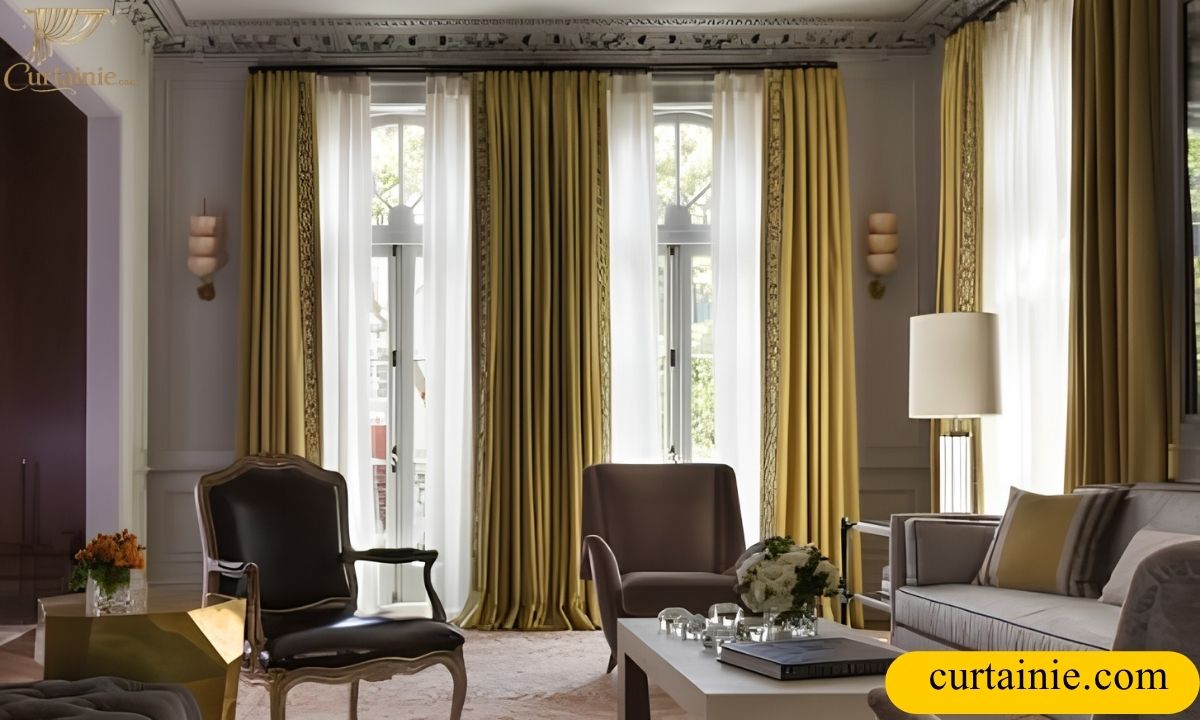
Layered curtains are one of those design details that instantly make a room look finished. Walk into any professionally styled living room or bedroom, and you’ll notice something at the windows besides a single flat panel — there’s depth, texture, and a soft, hotel-like drape of fabric that seems to glow when sunlight hits it.
That effect isn’t an accident. It’s the result of layering sheer curtains with drapes, a styling trick interior designers have used for decades to combine privacy, light control, and visual richness in one window.
This guide breaks down everything you need to know — from what curtain layering actually means, to the hardware you need, to room-by-room combinations that work.
What Does Curtain Layering Mean?
Curtain layering means hanging two different types of window treatments together on the same window — typically a sheer curtain paired with a heavier drape or blackout curtain.
The sheer panel sits closer to the glass and filters daylight softly into the room. The heavier drape hangs in front (or behind, depending on the setup) and handles privacy, insulation, and light blocking.
Instead of choosing between “airy and bright” or “private and cozy,” layering lets you have both — and switch between them depending on the time of day.
Layered Curtains at a Glance
| Feature | Sheer Curtain | Drape/Blackout Curtain |
| Fabric weight | Lightweight, translucent | Heavy, opaque or lined |
| Main function | Diffuses light, softens the room | Blocks light, adds privacy |
| Placement | Inner rod, closest to window | Outer rod, in front |
| Common fabrics | Voile, chiffon, linen sheer | Velvet, cotton blend, blackout lining |
| Best used | Daytime, decorative layering | Nighttime, full privacy |
Why Sheer + Blackout Curtains Are a Practical Pair
Sheer and blackout curtains are the most popular layering combination, and it’s not just about looks. This pairing solves a real everyday problem: you want natural light during the day, but full privacy and darkness at night.
Here’s why this combination works so well:
- Flexible light control – Close the sheers alone for a soft, filtered glow, or close both layers for total darkness.
- Better insulation – A lined or blackout curtain adds a layer of thermal protection, keeping rooms warmer in winter and cooler in summer.
- Enhanced privacy – Sheers alone offer very little privacy at night when lights are on inside. Adding a blackout layer solves that instantly.
- Elevated aesthetic – Layered fabric adds fullness and dimension that a single flat panel can’t achieve on its own.
Also read this curtain:Are Window Curtain Valances Out of Style in 2026?
How Should You Layer Sheer Curtains with Drapes?
The general rule interior designers follow is simple: sheers go closest to the window, drapes go in front.
This placement isn’t arbitrary — it reflects how each fabric is meant to function. The sheer panel diffuses incoming light throughout the day, while the drape acts as the outer, decorative and functional layer that can be drawn shut for privacy or warmth.
Which Curtain Goes First: Sheer or Blackout?
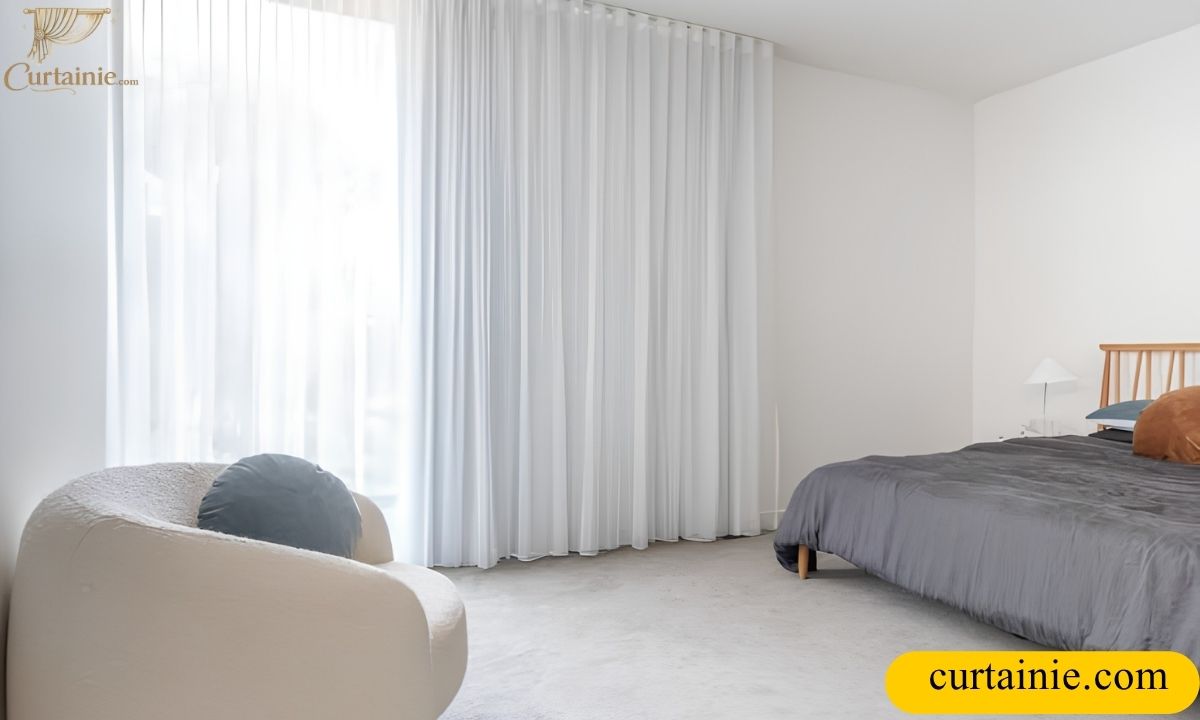
- Sheer curtains hang on the rod nearest the glass.
- Blackout or heavier drapes hang on the rod farthest from the glass, closer to the room.
This order allows both panels to move independently, so you can adjust light and privacy without disturbing the other layer.
The Right Hardware: Double Rods, Tracks, and Placement
Good layering starts with the right hardware. Using flimsy or mismatched hardware is the most common reason layered curtains look sloppy instead of polished.
Double Curtain Rod
A double curtain rod is the easiest and most popular way to layer curtains. It typically comes as:
- Two parallel rods on one bracket – A slimmer back rod for sheers and a thicker front rod for drapes, both mounted on the same wall bracket.
- A rod-and-track combination – One rod for drapes with a slim track mounted behind it for sheers, often used in modern or minimalist interiors.
When shopping for a double rod system, check for:
- Sturdy brackets rated for the total weight of both panels
- Smooth gliders or rings so curtains open and close easily
- A finish that matches your room’s hardware (matte black, brushed brass, etc.)
How to Hang Double Curtains Without a Double Rod
Don’t have a double rod? You can still layer curtains using a few workarounds:
- Add a second single rod mounted slightly behind or above your existing one using extended brackets.
- Use a tension rod inside the window frame for the sheer layer, and keep your existing outer rod for the drape.
- Try clip rings on one rod — hang both sheer and drape panels on the same rod using curtain clips, positioning sheers in the middle and drapes on the outer edges.
How to Layer Curtains With One Rod
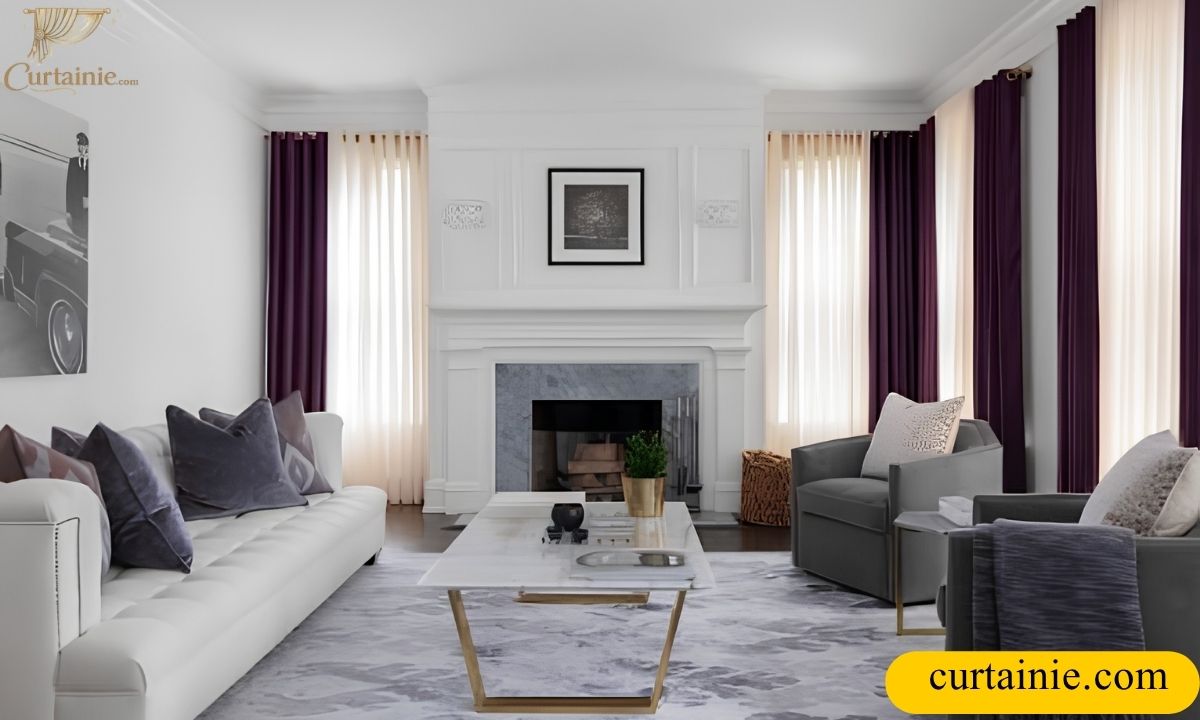
If you’re working with a single rod, you can still create a layered look:
- Hang the sheer panel first, pushed toward the center or back.
- Attach the drape panels using curtain rings or clips, positioning them on the outer sides.
- Adjust spacing so both layers can be pulled open and closed without tangling.
This method won’t offer the same independent operation as a double rod, but it delivers a similar visual effect at a lower cost.
Blackout vs Room-Darkening Drapes: Which One Should You Pair with Sheers?
Not all heavy drapes are the same. Before pairing a drape with your sheers, it helps to understand the difference between blackout and room-darkening options.
| Type | Light Blocked | Best For |
| Blackout curtains | Blocks nearly all light | Bedrooms, nurseries, media rooms |
| Room-darkening curtains | Reduces light significantly, some glow remains | Living rooms, home offices |
| Curtains with blackout lining | Customizable darkness with existing fabric | Formal spaces wanting light control without a bulky look |
Choose Room-Darkening Curtains When
- You want a softer wake-up experience with gentle morning light
- The room is used during the day and doesn’t need full darkness
- You prefer a lighter, more decorative drape fabric
Choose Curtains with Blackout Lining When
- You want to keep a specific decorative fabric but still need better light control
- The window faces direct morning or afternoon sun
- You’re layering in a bedroom where sleep quality matters
Layering Curtains for Windows vs Doors
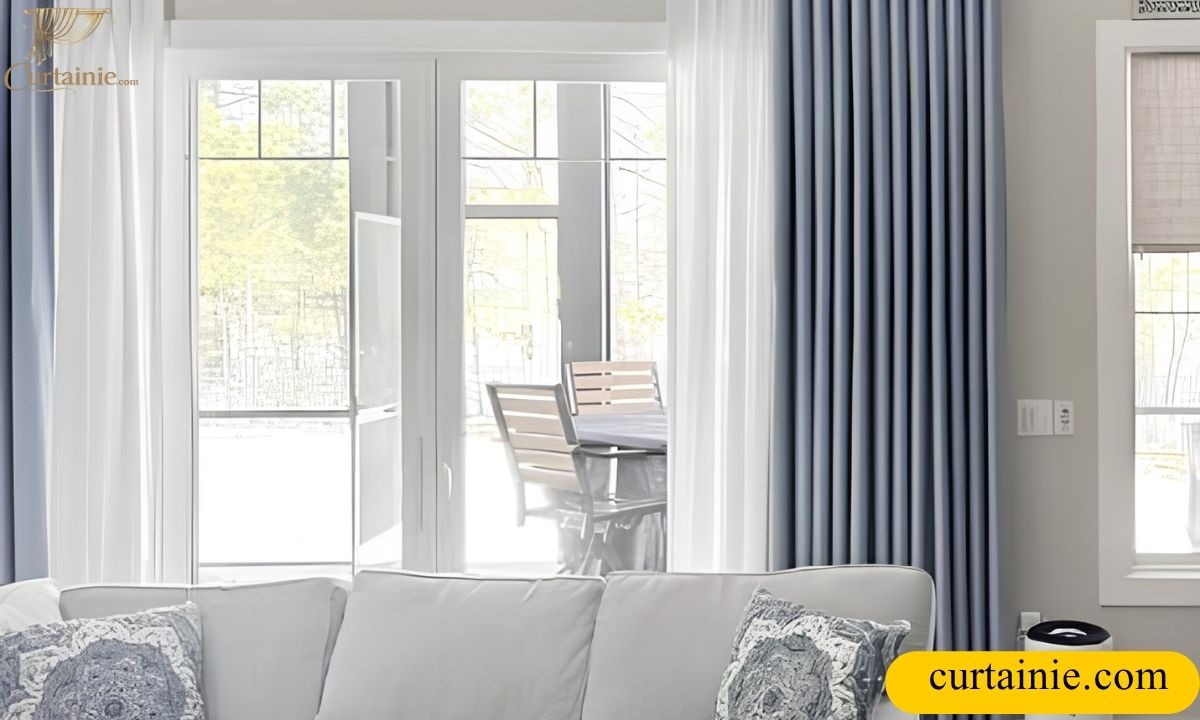
Layering isn’t just for standard windows — the same principle applies to sliding doors, French doors, and patio entries, with a few adjustments.
For Windows
- Mount rods 4–6 inches above the window frame to make ceilings appear taller.
- Extend rods 4–6 inches beyond the frame on each side so curtains “stack” neatly when open, without blocking natural light.
- Keep sheer panels close to the glass so they diffuse light evenly across the window.
For Doors
- Use a track system instead of a rod if the door is frequently opened, so panels glide smoothly without obstruction.
- Make sure both layers clear the floor and door swing to avoid snagging.
- Consider a single sheer layer if privacy isn’t a major concern, reserving the heavier drape for nighttime use only.
Room-Wise Sheer + Blackout Curtain Combinations
Different rooms call for different priorities — some need total darkness, others need everyday softness. Here’s a quick reference:
| Room | Recommended Pairing | Why |
| Bedroom | Sheer + blackout curtain | Maximizes sleep quality and privacy |
| Living room | Sheer + room-darkening drape | Balances natural light with evening coziness |
| Kids’ room | Sheer + blackout curtain | Supports nap schedules and reduces early wake-ups |
| Home office | Sheer + light-filtering drape | Reduces glare on screens while keeping the room bright |
| Dining room | Sheer + decorative drape | Prioritizes style and ambiance over full blackout |
Also read this curtain:Curtain Chronicles: Layering Drapes and Sheers for Style
FAQs
How do you layer curtains and sheers together?
Hang sheers on an inner rod closest to the window, then mount heavier drapes on an outer rod in front. This gives you soft daytime light control plus full privacy and light-blocking at night.
What curtains go with sheer curtains?
Blackout curtains, velvet drapes, linen panels, or medium-weight cotton drapes all pair well with sheers. Choose a fabric that contrasts in weight so each layer has a clear job.
Do you put sheers in front of or behind curtains?
Sheers go behind, closest to the glass, with the heavier drapery panel in front. This lets the sheer diffuse light while the drape frames the window and controls privacy.
Can you hang two curtain rods on one window?
Yes, a double curtain rod (or two separate rods) is the standard way to layer window treatments. One rod sits closer to the wall for sheers, the other extends slightly forward for drapes.
What is the point of layering curtains?
Layering combines light filtering, privacy, insulation, and style in one window. Sheers soften daylight while drapes add warmth, sound dampening, and a finished decorative look.
Summary
Layering sheer curtains with drapes is a simple upgrade that instantly makes windows look more polished, functional, and intentional. By hanging sheers on the inner rod and drapes on the outer rod — or using budget-friendly single-rod tricks — you get the best of both worlds: soft, filtered daylight when you want it, and full privacy or darkness when you need it.
Whether you’re dressing up a bedroom window with blackout lining or softening a living room with sheer panels and room-darkening drapes, the right curtain layering setup adds depth, warmth, and style to any space.