
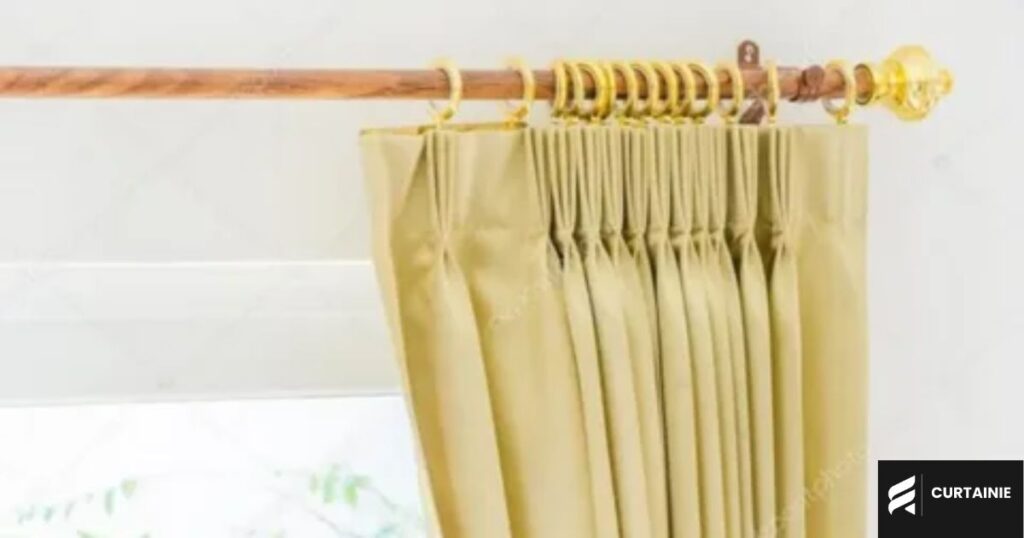
Picking a curtain rod sounds simple — until you’re standing in an aisle full of finishes, diameters, and materials with no idea which one will actually hold up your drapes. The rod you choose affects everything from how smoothly your curtains glide to how long the hardware lasts before it sags, rusts, or bends under the weight of heavier fabric.
This guide breaks down everything a beginner needs to know: why wrought iron isn’t always the safe bet it appears to be, why steel has become the go-to material for modern drapery hardware, how to size a rod correctly, and how to get that classic wrought-iron aesthetic without the drawbacks that come with the real thing.
Why Wrought-Iron Curtain Rods Aren’t the Best Choice
Wrought iron has a long history in home decor, and it’s easy to see the appeal. It looks substantial, pairs beautifully with traditional and farmhouse interiors, and has a handcrafted quality that mass-produced hardware can’t fake.
But wrought iron comes with real trade-offs once it’s actually installed on your wall:
- It’s heavy. A solid iron rod can weigh several times more than a comparable steel or stainless-steel rod, which means you need stronger brackets, more anchor points, and sturdier wall material to hang it safely.
- It rusts. Iron oxidizes when it’s exposed to moisture and air. Bathrooms, kitchens, and homes in humid climates are especially at risk, and once rust sets in, it can stain your walls and curtains.
- It’s inflexible. Wrought iron rods are typically sold in fixed lengths rather than adjustable ones, so getting an exact fit for an unusual window size is harder than it should be.
- Installation is difficult. Because of the sheer weight, hanging a wrought-iron rod is often a two-person job, and standard drywall anchors usually aren’t enough.
None of this means wrought iron is a bad material outright — it’s simply not the most practical option for the average homeowner who wants a rod that’s easy to install, low-maintenance, and long-lasting.
Why Steel Is the Superior Choice for Curtain Rods
Steel curtain rods solve most of the problems wrought iron creates, while still delivering a strong, elegant look. Here’s why steel — and stainless steel in particular — has become the preferred material for heavy-duty drapery rods.
Optimal Strength-to-Weight Ratio
Steel offers an excellent balance between durability and weight. A steel rod can span long distances with minimal sagging and support heavy drapery, all while weighing a fraction of what a solid iron rod weighs. That lighter profile makes installation far easier and puts less ongoing stress on your wall brackets.
Rustic Wrought-Iron Look, Without the Downsides
The good news is you don’t have to sacrifice style for practicality. Steel rods are available in a wide range of finishes — including matte black, bronze, and textured powder coats — that closely mimic the rustic, forged look of traditional wrought iron. You get the aesthetic your room calls for, minus the excess weight and maintenance headaches.
Rust Resistance
This is where steel really pulls ahead:
- Powder-coated steel resists rust well and is ideal for most indoor spaces — bedrooms, living rooms, and dining areas.
- Stainless steel takes it a step further. Thanks to its chromium content, it resists corrosion even when exposed to humidity, rain, or salty coastal air, making it the smarter pick for bathrooms, kitchens, sunrooms, and covered patios.
| Feature | Wrought Iron | Powder-Coated Steel | Stainless Steel |
| Weight | Heavy | Light to moderate | Light to moderate |
| Rust resistance | Low (rusts without maintenance) | Good (indoor use) | Excellent (indoor & outdoor use) |
| Installation | Difficult, needs reinforced anchors | Easy | Easy |
| Best for | Statement pieces, dry climates | Everyday indoor rooms | Bathrooms, outdoor & humid spaces |
| Long-term maintenance | High | Low | Very low |
How to Get the Wrought-Iron Look Without the Wrought Iron
If you love the old-world charm of forged iron but don’t want the weight or rust risk, steel hardware finished to resemble iron is the answer. Manufacturers now replicate the texture, dark tones, and scrollwork detailing associated with traditional wrought iron using powder-coated steel and stainless steel.
Ways to get the look:
- Choose a matte black or aged-bronze finish — these read as “iron” visually without the material itself.
- Look for decorative finials with scroll or spear detailing, a signature of the wrought-iron style.
- Pick textured powder coatings that replicate the slightly rough, hand-forged surface of real iron.
- Opt for stainless steel in humid rooms so the vintage look doesn’t come with a rust problem down the line.
This approach gives you the rustic, industrial character you want in your decor while keeping the practical benefits of modern steel.
Double Curtain Rod
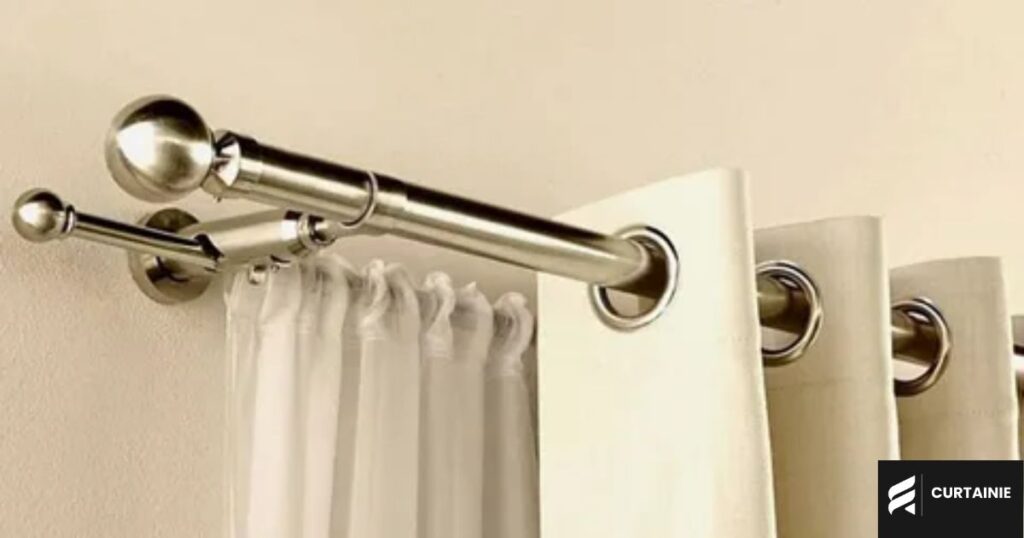
A double curtain rod uses two parallel rods — one mounted slightly behind the other — so you can layer two types of window treatments, such as sheers with blackout drapes. It’s a popular option for bedrooms and living rooms where homeowners want both privacy and light control.
A few things to check before buying one:
- Bracket strength — double rods carry twice the fabric weight, so the brackets need to be rated accordingly.
- Projection depth — make sure the inner and outer rods don’t interfere with each other or with window trim.
- Finish coordination — decide if you want both rods to match or if the front rod should be more decorative than the back one.
- Material — steel is generally a better choice than wrought iron for double rod setups, since the added weight of two curtain sets makes a lightweight, strong material even more important.
Curtain Rod Size Chart
Getting the right length and diameter is just as important as picking the right material. A rod that’s too thin will sag under heavy drapes, and one that’s too short will make your window look smaller than it is.
Length by window size:
| Window Type | Recommended Rod Length |
| Small windows (bathrooms, laundry rooms) | 24″ – 48″ |
| Standard double-hung or picture windows | 48″ – 84″ |
| Large windows | 66″ – 120″ |
| Patio doors, French doors, oversized windows | 120″ – 170″ |
Diameter by curtain weight:
| Curtain Type | Recommended Rod Diameter |
| Sheer or lightweight curtains | 5/8″ |
| Medium-weight cotton or linen curtains | 3/4″ – 1″ |
| Heavy drapes, velvet, or blackout curtains | 1″ – 1 1/4″ |
Highland Forge’s Stainless Steel and Steel Curtain Rods
Highland Forge builds its curtain rods around the exact problem this guide has covered: how to get durable, good-looking hardware without the weight and rust issues of traditional wrought iron.
Their rods are made from steel and stainless steel, engineered to:
- Support heavy, floor-length drapery without bowing
- Resist rust indoors and, with stainless steel, in humid or coastal outdoor settings
- Install more easily than solid iron thanks to a lighter overall weight
- Come in multiple diameters (¾”, 1″, and 1¼”) to match different curtain weights and window sizes
This combination of strength, finish variety, and rust resistance is what makes steel a practical long-term upgrade over wrought iron for most homes.
Vintage Wrought Iron Curtain Rods
There’s still a place for the vintage wrought-iron look — particularly in farmhouse, Mediterranean, or traditional interiors where the rod itself is meant to be a decorative focal point, not just functional hardware. If you’re set on an authentic wrought-iron piece:
- Keep it in dry, low-humidity rooms to minimize rust risk
- Use wall anchors rated for the rod’s full weight, not standard drywall anchors
- Clean and re-coat the finish periodically to protect against moisture
- Consider it for shorter spans, where the weight is easier to manage
For most other rooms, a steel rod finished to mimic vintage ironwork delivers the same look with far less upkeep.
Highland Forge Collections
Highland Forge organizes its curtain rod offerings into collections built around different diameters, finishes, and hardware styles, making it easier to match a rod to your room’s fabric weight and design theme. Whether you’re outfitting a single window with a delicate sheer or a wide patio door with lined drapery, there’s a collection sized and styled for the job — from clean, minimalist steel finishes to more ornate designs that echo traditional ironwork.
Read More: fabric shower curtain liner
FAQs
How high should curtain rods be hung?
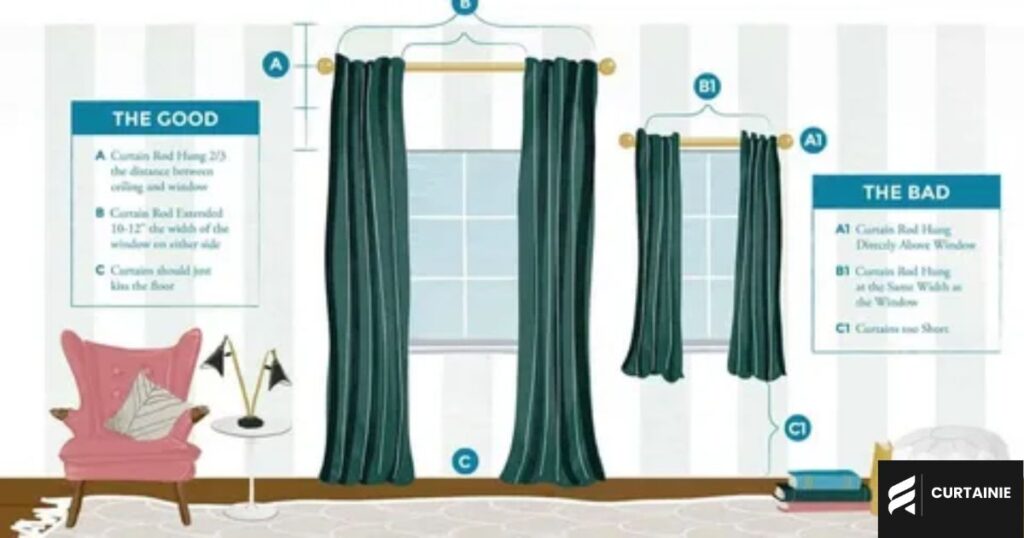
Hang the rod 4–6 inches above the window frame, or about 2/3 of the way to the ceiling for a taller look.
How wide should a curtain rod be?
The rod should extend 6–12 inches beyond each side of the window frame so curtains can fully clear the glass when open.
What size curtain rod do I need?
Measure your window width, then add 12–24 inches total (6–12 inches per side) to get the right rod length.
What is the standard curtain rod diameter?
Most curtain rods are 3/4 inch to 1 inch in diameter, though heavier drapes use 1.5-inch or larger rods.
Can curtain rods hold heavy curtains?
Yes, as long as you choose a rod rated for the weight — steel or iron rods with sturdy brackets handle heavy drapes best.
Final Thought
Choosing a curtain rod doesn’t have to be complicated once you understand what actually matters: weight, rust resistance, diameter, and length. Wrought iron has its place for statement pieces in dry rooms, but for most homes, steel and stainless steel offer the same classic look with far less hassle — easier installation, better rust protection, and hardware that holds up for years without extra maintenance. Measure your window, match the diameter to your curtain weight, and pick a finish that fits your decor, and you’ll end up with a rod that looks as good as it performs.