
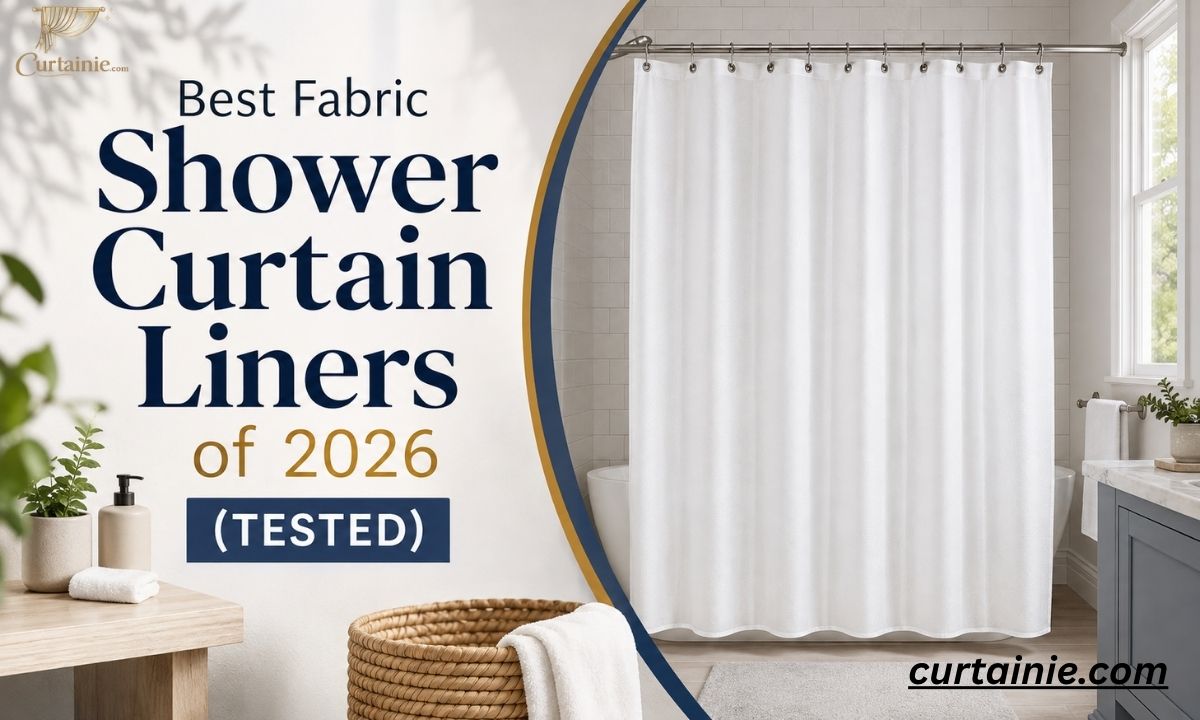
Fabric Shower Curtain
A good fabric shower curtain liner does more than keep water off your bathroom floor. It adds texture, softens harsh bathroom lighting, and — unlike a stiff plastic liner — actually looks like it belongs in a finished space. But not every fabric liner is created equal. Some trap moisture and grow mildew within weeks. Others billow, cling, or shrink after a single wash.
We researched dozens of fabric shower curtain liners, compared customer feedback across major retailers, and cross-checked expert cleaning and interior-design advice to build this guide. Below, you’ll find our top picks by category, a side-by-side comparison table, and a full buying guide to help you choose the right liner for your bathroom.
Why Choose a Fabric Shower Curtain Liner?
Fabric liners have become a popular alternative to standard vinyl or PEVA liners for a few clear reasons:
- Better airflow and drying — woven fabrics like polyester and cotton blends let moisture evaporate instead of trapping it against the surface.
- Machine washable — most fabric liners can go straight into the washing machine, unlike many plastic liners.
- More durable — quality fabric resists cracking, yellowing, and tearing far longer than thin vinyl.
- Design flexibility — fabric liners come in colors and textures that double as a decorative layer, sometimes eliminating the need for a separate outer curtain.
- Lower plastic and chemical exposure — many shoppers choose fabric to avoid PVC-based liners, which can off-gas volatile organic compounds (VOCs) in an enclosed bathroom.
The tradeoff: fabric liners typically need a weighted hem or magnets to stay in place, and some varieties dry more slowly than PEVA.
Top Fabric Shower Curtain Liners Compared
| Liner Type | Best For | Material | Machine Washable | Price Range |
| Standard woven polyester | Everyday use | 100% polyester | Yes | $ |
| Cotton-blend fabric | Soft texture, humid climates | Cotton/poly blend | Yes | $$ |
| Weighted fabric liner | Preventing billowing | Polyester + weighted hem | Yes | $$ |
| Hemp or linen liner | Eco-conscious homes | Natural hemp/linen | Yes (gentle cycle) | $$$ |
| Heavy-duty fabric liner | High-traffic bathrooms | Reinforced polyester | Yes | $$ |
Our Top Fabric Shower Curtain Liner Picks
Best Overall Fabric Shower Curtain Liner
A mid-weight, 100% polyester liner with a reinforced weighted hem is the safest all-around choice for most bathrooms. It resists water absorption at the surface, machine washes easily on a cold, gentle cycle, and holds its shape without stiffening or wrinkling after repeated washes. Look for models with rust-proof grommets, since metal hardware is often the first thing to fail on a budget liner.
Best Budget Fabric Shower Curtain Liner
Basic polyester liners in the $15–$20 range still perform well for everyday use, as long as they include a weighted or reinforced hem. Budget picks usually skip extras like magnets or antimicrobial treatments, so plan on washing them slightly more often — roughly every one to two weeks — to prevent mildew buildup.
Best Mold- and Mildew-Resistant Liner
Liners treated with an antimicrobial finish are worth the small price premium if your bathroom has poor ventilation or you shower daily without a fan. These finishes don’t make a liner mildew-proof, but they meaningfully slow spore growth between washes compared to untreated fabric.
Best Weighted Liner
A liner with a sewn-in weighted hem — or one with corner magnets — stays put far better than a lightweight liner. This matters most for anyone bothered by a curtain that clings to wet skin during a shower. Weighted liners are usually a touch heavier and slower to dry, so pair them with good bathroom ventilation.
Best Quick-Drying Liner
Lighter-weight woven fabrics dry noticeably faster than heavier cotton or canvas-style liners, which reduces the window for mold and mildew to form. If quick drying is your top priority, choose a liner labeled “lightweight” or “quick-dry” over a heavier weighted option.
Best Eco-Friendly Liner (Hemp/Linen)
Natural hemp and linen liners appeal to shoppers who want to avoid synthetic fabrics altogether. Hemp in particular dries faster than cotton and doesn’t require pesticides to grow, making it one of the more sustainable choices on the market. Expect a higher price and a slightly more involved care routine — most need a gentle wash cycle and air drying rather than a dryer.
Best 2-in-1 Curtain and Liner Set
Some fabric curtains are treated with a water-repellent coating strong enough to function as both the decorative curtain and the liner, cutting down on cost and clutter. These work well for low-splash bathrooms but generally aren’t a full substitute for a dedicated liner in a high-spray, frequently used shower.
How to Choose the Right Fabric Shower Curtain Liner
Material
Polyester is the most common and most forgiving fabric liner material — it’s durable, affordable, and dries reasonably fast. Cotton and cotton blends feel softer but hold moisture longer. Hemp and linen are the most eco-friendly options and dry the fastest among natural fibers, though they cost more and need gentler care.
Stick With Standard Sizing
Most showers and tubs use a standard 70 x 72-inch liner. Walk-in or stall showers often need a smaller size, around 54 x 78 inches, while extra-large tubs may require a 72 x 84-inch or larger liner. Always measure your shower rod width and drop length before buying.
Hooks or Hookless: Decide Which Style You Like Best
- Hook style liners use grommets along the top and work with any standard shower curtain hooks.
- Hookless liners use built-in rings or clips that snap directly onto the rod, making them faster to install and remove for washing.
Neither style affects performance — it’s purely a matter of convenience and how often you plan to take the liner down.
Consider a Weighted Liner
If billowing or clinging is a dealbreaker for you, prioritize a liner with a sewn weighted hem or magnetic corners. It’s a small feature that makes a noticeable difference in day-to-day use.
One More Thing: Check the Care Label
Not every fabric liner is machine washable, and some require a specific water temperature or gentle cycle to avoid shrinking. Always check the label before your first wash — this single step prevents most premature liner replacements.
Fabric vs. PEVA/Vinyl Shower Curtain Liners
| Feature | Fabric Liner | PEVA/Vinyl Liner |
| Feel | Soft, textile-like | Smooth, plastic |
| Drying speed | Slower (varies by fabric) | Faster |
| Machine washable | Usually yes | Rarely (wipe clean instead) |
| Lifespan | 1–3 years with care | 6–12 months typical |
| Eco-friendliness | Higher (especially natural fibers) | Lower |
| Price | Slightly higher | Generally cheaper |
How We Researched This Guide
We compared specifications, materials, and verified customer feedback across major home and bath retailers, alongside guidance from cleaning and interior-design sources, to identify the fabric liners that consistently perform well for durability, mold resistance, and ease of care. We prioritized liners with transparent materials, washable construction, and strong long-term ratings over short-term popularity.
Read More ; fabric shower curtain liner
FAQs
Do you need a liner with a fabric shower curtain?
Yes, in most cases — a liner keeps water inside the tub or shower, since fabric alone isn’t fully waterproof.
Can you machine wash a fabric shower curtain liner?
Yes, most fabric liners are machine washable on a cold, gentle cycle.
How often should you wash a shower curtain liner?
Wash it every one to two weeks to prevent mold and mildew buildup.
What is the best material for a shower curtain liner?
Polyester is the most popular choice for its durability, affordable price, and fast drying time.
How do you keep a shower curtain liner from mildewing?
Spread it out fully after each shower and run the bathroom fan to keep it dry.
What size shower curtain liner do I need?
Most standard tubs use a 70 x 72-inch liner.
Conclusion
A fabric shower curtain liner is a simple upgrade that pays off in both looks and longevity. Whether you prioritize a budget-friendly polyester liner, a weighted design that won’t cling, or a natural hemp option for a more sustainable bathroom, matching the material and features to your specific shower setup makes all the difference. Measure your space, check the care instructions, and choose a liner built to handle regular washing — and you’ll spend far less time replacing it down the road.