
Discovering mould on your curtains can be alarming, but with the right techniques and products, you can effectively remove mould from curtains and prevent it from coming back. This comprehensive guide covers everything you need to know about removing mould from curtains safely and efficiently.
Understanding Mould on Curtains: Types and Causes
Common Types of Mould Found on Curtains
Not all mould is the same. When it comes to curtains, you are most likely to encounter one of the following types:
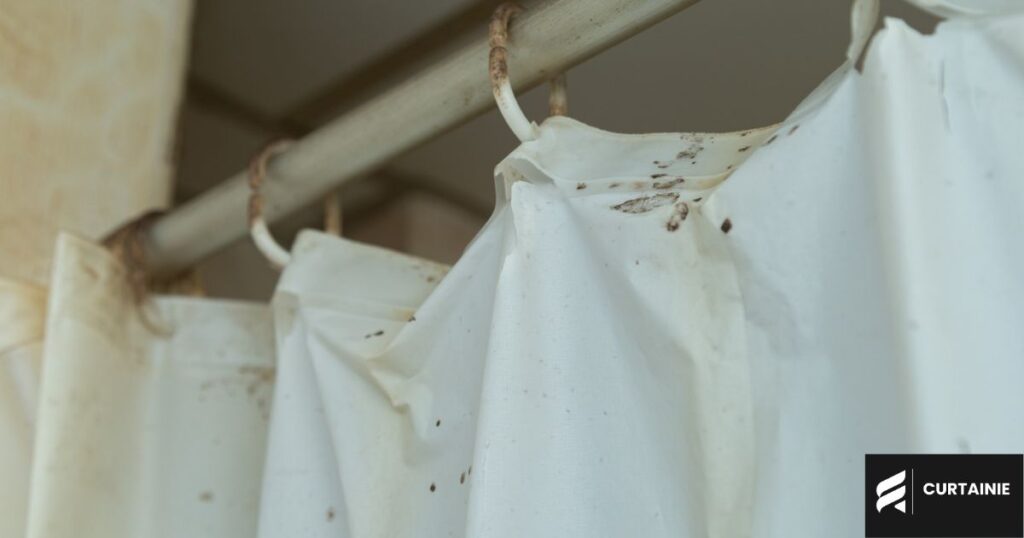
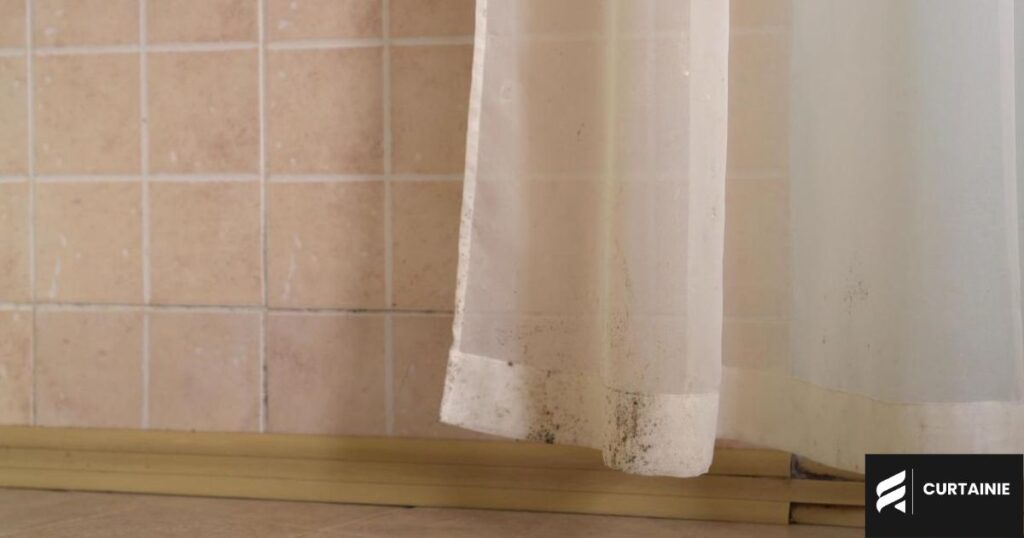
- Black Mould (Stachybotrys chartarum): The most serious type, appearing as dark black or greenish-black spots. It thrives in very damp conditions and can be hazardous to health.
- White Mould: Appears as white or light grey fuzzy patches. Often found in early stages of mould growth and generally easier to remove.
- Green Mould (Cladosporium): Common on fabric, appears as green or dark green patches. Frequently found in bathrooms and kitchens.
- Pink or Orange Mould: Less common on curtains but can occur in humid environments near sinks or showers.
Main Causes of Mould on Curtains
- Poor room ventilation trapping moist air against fabric
- Window condensation dripping onto curtain fabric
- High indoor humidity levels above 60%
- Curtains touching cold window glass regularly
- Infrequent washing allowing spores to multiply
- Water leaks or floods that were not fully dried
Safety Precautions Before Removing Mould from Curtains
Before you begin the mould removal process, it is essential to take proper safety measures. Mould spores can be harmful when inhaled or when they come into contact with skin. Follow these safety precautions without exception:
- Wear protective gloves: Use rubber or latex gloves to protect your skin from both mould spores and cleaning chemicals.
- Put on a face mask: A dust mask or N95 respirator will prevent you from inhaling airborne mould spores.
- Wear eye protection: Safety goggles will protect your eyes from spores and cleaning solution splashes.
- Open windows and doors: Ventilate the room properly before starting to dilute any chemical fumes.
- Take curtains outside if possible: Removing mould outdoors prevents spores from spreading inside your home.
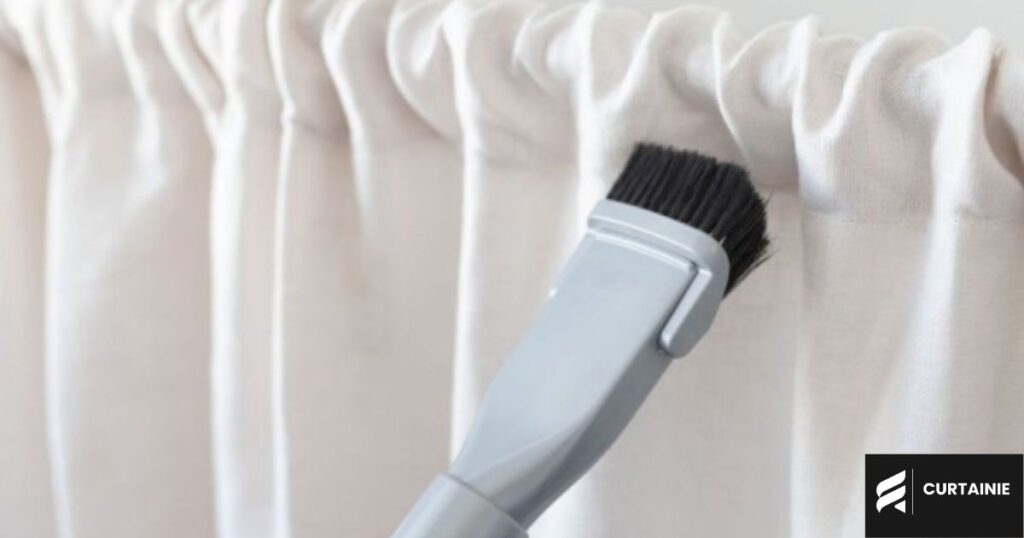
- Brush off dry mould carefully: Before washing, gently brush away any dry surface mould outside, not indoors.
How to Remove Mould from Curtains: Step-by-Step Methods
There are several effective methods for removing mould from curtains, depending on the curtain material, the severity of mould growth, and the products available to you. Here are the most proven approaches:
Method 1: Machine Washing with Hot Water
For most washable curtains, machine washing at a high temperature is the first and most effective step. Hot water kills mould spores and, combined with a good detergent, can remove moderate mould infestations.
- Take the curtains down carefully and shake them outside to remove loose spores.
- Check the care label on your curtains for maximum washing temperature.
- Set your washing machine to the highest temperature allowed for the fabric (60°C is ideal for killing mould).
- Add a good quality laundry detergent along with a cup of white vinegar or a specialist mould-removing laundry additive.
- Run a full wash cycle and check the curtains after washing.
- Dry the curtains thoroughly in direct sunlight if possible, as UV rays also help kill remaining mould spores.
Method 2: White Vinegar Solution
White vinegar is a natural, non-toxic mould killer that is safe for most fabrics. Its acetic acid content kills up to 82% of mould species and is an excellent choice for delicate curtains that cannot withstand harsh chemicals.
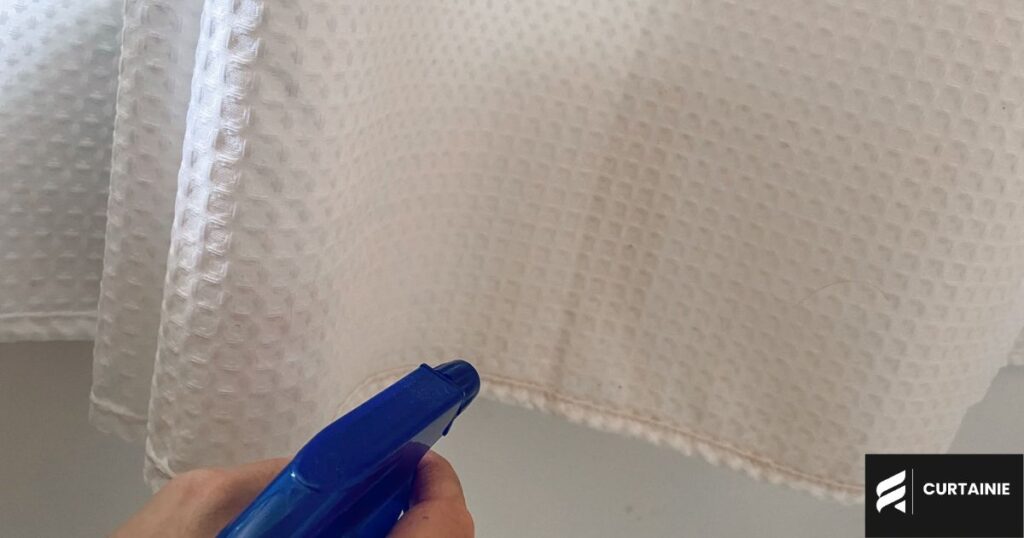
- Mix equal parts white vinegar and warm water in a spray bottle.
- Spray the mouldy areas generously and allow the solution to soak in for at least one hour.
- Use a soft-bristled brush to gently scrub the mouldy spots in a circular motion.
- Rinse thoroughly with cold water.
- Wash the curtains normally and dry completely before rehanging.
Method 3: Baking Soda Treatment
Baking soda (bicarbonate of soda) is a mild abrasive and natural deodoriser that can help lift mould stains and neutralise musty odours from curtains.
- Make a thick paste by mixing baking soda with a small amount of water.
- Apply the paste directly onto the mould stains and allow it to sit for 30 minutes.
- Gently scrub with a soft brush, then rinse away thoroughly.
- For extra effectiveness, combine this method with the white vinegar spray method above.
Method 4: Borax Solution
Borax is a natural mineral salt that is highly effective at killing mould and preventing regrowth. It is suitable for most curtain fabrics but should always be tested on a hidden area first.
- Dissolve one cup of borax powder in one gallon (approximately 4.5 litres) of hot water.
- Apply the solution to affected areas using a cloth or sponge.
- Scrub gently and allow to sit for 30 minutes before rinsing.
- Wash the curtains as normal and dry completely in fresh air.
Method 5: Commercial Mould Remover Products
For severe mould infestations, commercial mould-removing products can be very effective. Always choose a product that is specifically labelled as safe for fabric use, and always follow the manufacturer’s instructions carefully.
- Look for fabric-safe mould removers at hardware or home improvement stores.
- Test the product on a hidden area of the curtain fabric before full application.
- Apply as directed, allow to work for the recommended time, then rinse or wash out fully.
- Always dry curtains completely after treatment to prevent mould returning immediately.
Removing Mould from Different Types of Curtain Fabric
Different curtain materials require different approaches when removing mould. Using the wrong cleaning method can damage delicate fabrics, so it is important to identify your curtain material before beginning treatment.
Cotton Curtains
Cotton curtains are among the easiest to treat for mould. They are usually machine washable at 60°C, which is hot enough to kill most mould spores effectively. Use a quality detergent with a laundry mould additive and dry in direct sunlight for best results.
Linen Curtains
Linen curtains can be washed but are prone to shrinking at high temperatures. Use a gentle cycle at 40°C maximum with white vinegar as a mould treatment. Air dry flat or hang carefully to prevent stretching.
Polyester and Synthetic Curtains
Synthetic curtains are generally very easy to clean and resistant to water damage. They can tolerate vinegar, borax, and mild commercial cleaners well. Wash at 40°C and dry at a low tumble dry setting or air dry.
Velvet and Delicate Curtains
Velvet, silk, and other delicate curtains should never be machine washed unless specifically labelled as machine washable. Spot treat with white vinegar solution using a soft cloth and allow to air dry naturally. For valuable or antique curtains, professional dry cleaning is the safest option.
Blackout Curtains and Lined Curtains
Blackout and lined curtains often cannot be machine washed as the lining may separate or the blackout coating may peel. Spot clean with vinegar solution and a soft cloth. If mould has penetrated deeply into the lining, professional cleaning may be necessary.
How to Dry Curtains Properly After Mould Treatment
Drying your curtains correctly after mould treatment is absolutely critical. If curtains are not dried thoroughly, mould will return within days. Follow these drying guidelines:
- Dry in direct sunlight: Sunlight is a natural mould killer. If possible, hang curtains outside in full sun to dry.
- Ensure complete dryness: Never rehang curtains until they are 100% dry, including the hems and any folded areas.
- Use a tumble dryer carefully: If the care label permits, a low heat tumble dry cycle can help ensure complete drying.
- Iron while slightly damp: For cotton or linen curtains, ironing while slightly damp at the correct temperature can help kill any remaining spores.
- Avoid drying in damp rooms: Never dry curtains in the same humid room where mould originally developed.
Preventing Mould from Returning on Curtains
Once you have successfully removed mould from your curtains, it is vital to address the underlying causes to prevent regrowth. Prevention is always easier and less expensive than treatment. Here are the most effective prevention strategies:
Improve Room Ventilation
Poor ventilation is the number one cause of mould on curtains. Open windows daily to allow fresh air circulation, use extractor fans in bathrooms and kitchens, and consider installing a ventilation system or air purifier with a HEPA filter in rooms prone to dampness.
Control Indoor Humidity
Keep indoor humidity levels below 50-60% using a dehumidifier. Digital hygrometers are inexpensive and allow you to monitor humidity levels in each room. This is especially important in bedrooms and bathrooms during colder months when windows are kept closed.
Address Window Condensation
Condensation on windows is a direct cause of damp curtains. Wipe condensation from windows daily during cold weather using a squeegee or absorbent cloth. Consider secondary glazing or double-glazed windows if condensation is severe.
Wash Curtains Regularly
Regular washing of curtains removes mould spores before they can establish colonies. Aim to wash curtains at least every three to six months, or more frequently in humid rooms. Always ensure curtains are completely dry before rehanging.
Apply an Anti-Mould Fabric Spray
After cleaning, apply a fabric-safe anti-mould spray or mould-resistant treatment to your curtains. These products create a protective barrier that inhibits future mould spore growth. Reapply after each wash.
When to Replace Mouldy Curtains
In most cases, mould can be successfully removed from curtains with the methods described above. However, there are situations where replacement is the wiser choice:
- The mould has penetrated deeply into the fabric and cannot be fully removed after multiple treatments.
- The curtains have developed permanent black staining that cleaning cannot lift.
- The fabric has been weakened or damaged by mould and is beginning to fall apart.
- The musty odour persists even after thorough washing and drying.
- A family member has mould-related allergies or respiratory conditions, and any risk cannot be tolerated.
When replacing mouldy curtains, consider choosing mould-resistant fabrics such as polyester or synthetic blends, which are less susceptible to mould growth than natural fibres like cotton or linen.
Read more:grommet rod pocket or back tab curtains
Frequently Asked Questions (FAQs) About Removing Mould from Curtains
Q1: Can I use bleach to remove mould from curtains?
Bleach can kill mould effectively but is not recommended for most curtain fabrics. It can cause permanent discolouration, weaken fabric fibres, and damage coloured or patterned curtains. Only use diluted bleach (one part bleach to ten parts water) on plain white cotton curtains that are confirmed bleach-safe by their care label. Always rinse extremely thoroughly after any bleach application.
Q2: Is it safe to wash mouldy curtains in the washing machine?
Yes, for machine-washable curtains this is one of the most effective methods. Before placing them in the machine, shake the curtains outside to dislodge loose spores. Wash at 60°C if the fabric allows, using a quality detergent. Add half a cup of white vinegar to the wash for extra mould-killing power. Clean your washing machine drum afterwards by running an empty hot cycle.
Q3: How long does it take to remove mould from curtains?
The process of removing mould from curtains typically takes between two and eight hours, including soaking time, washing, and drying. Heavily moulded curtains may require multiple treatment cycles over several days. The drying stage is particularly important and should never be rushed, as incomplete drying will cause mould to return very quickly.
Q4: Does vinegar really kill mould on curtains?
Yes, white distilled vinegar is a proven natural mould killer. Studies have shown that undiluted white vinegar kills approximately 82% of mould species. For curtain treatment, a 50/50 mixture of white vinegar and water is effective for light to moderate mould growth while being gentle enough for most fabrics. It is one of the best non-toxic options available for removing mould from curtains.
Q5: Why does mould keep coming back on my curtains?
If mould keeps returning to your curtains after cleaning, the underlying moisture problem has not been resolved. The most common causes of recurring mould are persistent window condensation, high indoor humidity above 60%, inadequate room ventilation, and curtains being dried in damp conditions. Addressing these root causes is essential to permanently solving the problem.
Conclusion
Removing mould from curtains is a manageable task when approached with the right knowledge, tools, and methods. Whether you choose white vinegar, baking soda, borax, or a commercial mould remover, the key to success lies in thorough treatment, complete drying, and addressing the underlying moisture issues that allowed mould to grow in the first place.
By following the step-by-step methods outlined in this guide and adopting preventive measures such as improving ventilation, controlling humidity, and washing curtains regularly, you can keep your curtains fresh, clean, and mould-free for years to come. Do not ignore the early signs of mould growth — acting quickly will always save time, money, and the life of your curtains.If mould growth is severe, widespread throughout your home, or if family members are experiencing health symptoms, do not hesitate to consult a professional mould remediation specialist.
1 thought on “Removing Mould from Curtains: The Complete Guide to Safe and Effective Mould Removal”