
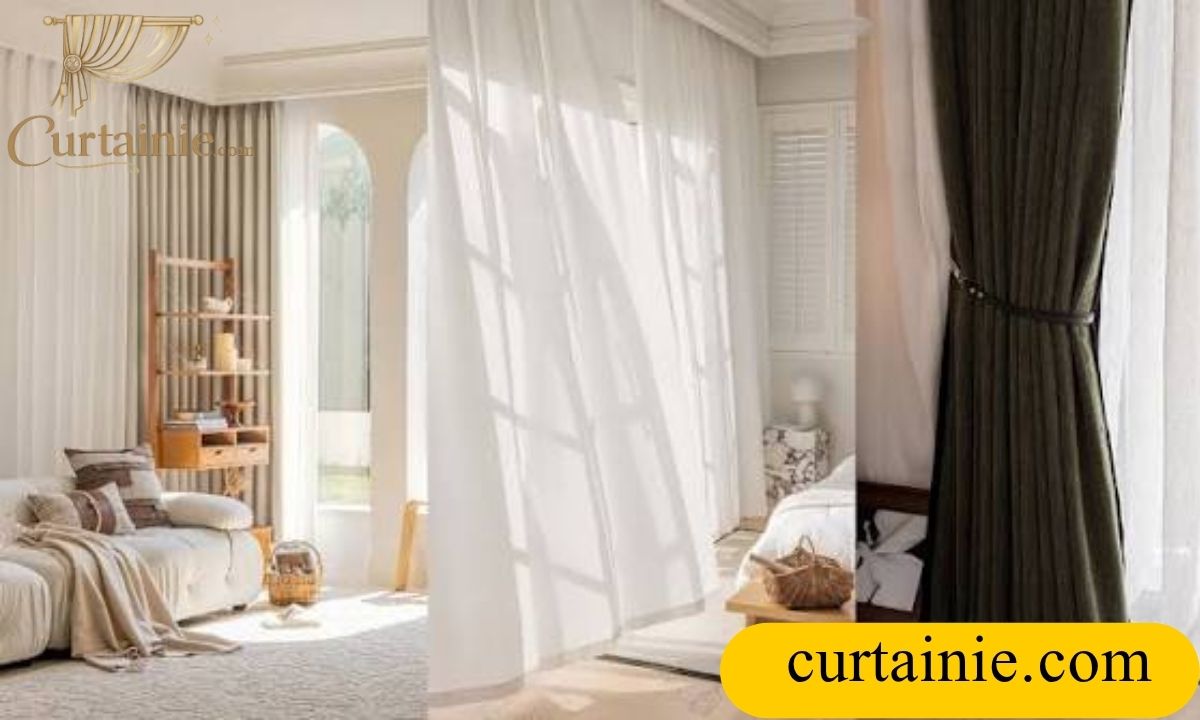
Standing in front of a curtain display (or scrolling through an endless list of options online), it’s easy to freeze up. Blackout, room darkening, sheer — the names sound similar, but they behave in completely different ways once they’re actually hanging on your window.
Pick the wrong one, and you could end up with a bedroom that’s still bright at sunrise, a living room that feels like a cave by 2 p.m., or a nursery where naptime never quite works out.This guide breaks down exactly what separates blackout, room darkening, and sheer curtains, how much light and privacy each one really delivers, and which type fits best in every room of your home.
Are Blackout Curtains?What
Blackout curtains are made from thick, tightly woven fabric — often with an extra lining or a triple-weave construction — designed to block nearly all incoming light. A quality blackout panel can stop 95–100% of sunlight, streetlight, and glare from entering a room when it’s properly installed.
They’re commonly used in bedrooms, nurseries, and home theaters, anywhere total darkness matters more than natural light.
Main Benefits of Blackout Curtains
- Near-total light blocking for uninterrupted sleep, naps, or screen time
- Better sound dampening, since dense fabric also muffles outside noise
- Improved energy efficiency, as the thick weave insulates windows and reduces heat transfer
- Maximum privacy, day and night, with zero silhouette visibility from outside
- Better sleep quality, since blocking light supports your body’s natural sleep-wake cycle
What Are Room Darkening Curtains?
room darkening curtains typically block 70–90% of light, leaving a soft glow in the room rather than pitch darkness.
Room darkening curtains sit in the middle ground. They’re woven from a denser fabric than sheers but aren’t built for full blackout performance. Depending on the fabric, weave, and color, They’re a popular pick for people who want a noticeably dimmer, calmer space without the “cave-like” feel of true blackout curtains.
Also read this curtain:Are Window Curtain Valances Out of Style in 2026?
Main Benefits of Room Darkening Curtains
- Significant light reduction while still allowing a gentle ambient glow
- Excellent daily privacy, since shadows and silhouettes aren’t visible from outside
- Energy savings, thanks to moderate insulation against heat and cold
- Softer wake-up experience, ideal for naps, kids’ rooms, or light sleepers who don’t want complete darkness
- More style variety, often available in lighter fabrics, patterns, and textures than blackout options
Sheer and Blackout Curtains on One Rod
A popular styling trick is hanging a sheer panel and a blackout (or room darkening) panel together on a double curtain rod. This gives you the flexibility to switch between an airy, daylight look and full nighttime coverage without swapping curtains — just draw whichever layer suits the moment.
What Are Sheer Curtains?
Sheer curtains are made from lightweight, translucent fabric — like voile, chiffon, or lace — that lets in the maximum amount of natural light while softening harsh glare. They offer very little light control and only limited daytime privacy, since outlines and movement can still be seen through the fabric, especially after dark.
Sheers are less about blocking light and more about adding softness, texture, and an airy feel to a room.

Types of Sheer Curtains
| Sheer Type | Best For |
| Voile sheers | Everyday softness, most affordable option |
| Linen sheers | Textured, natural look with a slightly heavier drape |
| Lace sheers | Decorative, vintage-inspired rooms |
| Cloud/privacy sheers | Slightly denser weave for a touch more daytime privacy |
| Striped or patterned sheers | Adding visual interest without blocking light |
Key Differences: Blackout, Room Darkening, and Sheer Curtains
Here’s a side-by-side breakdown to make comparison shopping easier.
| Feature | Blackout Curtains | Room Darkening Curtains | Sheer Curtains |
|---|---|---|---|
| Light blocked | 95–100% | 70–90% | 0–20% |
| Privacy level | Complete, day and night | High, minimal shadow visibility | Low, especially at night |
| Energy efficiency | Highest insulation | Moderate insulation | Minimal insulation |
| Best for | Bedrooms, nurseries, media rooms | Living rooms, nurseries, offices | Living rooms, kitchens, dining rooms |
| Fabric weight | Heavy, multi-layered | Medium-weight, densely woven | Lightweight, translucent |
| Noise reduction | Noticeable | Slight | Minimal |
| Style flexibility | Limited (thicker fabrics) | Moderate | High |
How to Layer Sheer and Blackout Curtains
Layering is the go-to solution when one curtain type can’t cover every need in a room.
- Install a double curtain rod so you have two independent tracks.
- Hang sheers on the inner rod, closest to the window, for daytime softness.
- Hang blackout or room darkening panels on the outer rod for nighttime coverage.
- Mount the rod 4–6 inches above the window frame and 8–12 inches wider than the window frame itself, so light can’t sneak around the edges when the outer curtain is closed.
- Draw sheers during the day for privacy and glare reduction, then close the blackout layer at night.
This setup gives you full control: bright and breezy in the morning, dark and quiet at night.
1. Light Control
Light control is the biggest differentiator between the three curtain types.
- Blackout curtains block nearly all light, making them ideal for shift workers, light-sensitive sleepers, and home theaters.
- Room darkening curtains dim a room substantially but let in a soft ambient glow — a comfortable middle ground for most bedrooms and living spaces.
- Sheer curtains let in the most light and are best suited to rooms where brightness matters more than darkness.
2. Privacy
Privacy needs shift depending on the room and time of day.
- Blackout curtains offer complete privacy around the clock, with zero visible silhouettes even with interior lights on.
- Room darkening curtains offer strong privacy as well, blocking most outside visibility while still softening the room’s brightness.
- Sheer curtains provide only daytime privacy by blurring outlines; at night, with lights on, they offer very little coverage unless paired with a heavier layer.
3. Energy Efficiency
Since heat and light travel together, denser fabrics naturally do a better job insulating a room.
- Blackout curtains are the most energy-efficient option, reducing heat transfer and helping regulate indoor temperature in both summer and winter.
- Room darkening curtains offer moderate insulation — noticeably better than sheers, though not as effective as full blackout fabric.
- Sheer curtains provide minimal insulation, since their loose, lightweight weave allows heat and cold to pass through easily.
Which Curtain Type Works Best for Each Room?

IKEA Room Darkening Curtains
Ready-made room darkening curtains, like the widely available IKEA lines, are a popular budget-friendly option for anyone who wants a noticeably dimmer room without committing to custom blackout fabric. They’re a solid starting point for kids’ rooms, guest rooms, or rentals where full blackout isn’t essential.
Bedrooms: Blackout Curtains or Room Darkening Curtains
Bedrooms benefit most from either blackout or room darkening curtains, depending on how dark you want the space:
- Choose blackout curtains if you’re a light sleeper, work night shifts, or live somewhere with strong streetlights.
- Choose room darkening curtains if you prefer a softer wake-up and don’t need total darkness.
Living Rooms: Sheers
Living rooms are usually daytime social spaces, so sheer curtains (or light filtering fabrics) work well here. They keep the room bright and welcoming while softening direct sunlight and glare on TVs or screens.
Dining Rooms and Kitchens: Sheers
Kitchens and dining areas benefit from natural light throughout the day, making sheer curtains the practical choice. They let sunlight in for cooking and mealtimes while adding a soft, decorative touch to the window.

Light Filtering vs Sheer Curtains
Light filtering curtains sit between sheer and room darkening in terms of density. They’re woven slightly thicker than sheers, so they cut glare more effectively while still keeping the room bright — a good option if pure sheers feel too transparent but full room darkening feels too heavy.
Home Offices: Cloud Privacy Sheers or Room Darkening Curtains
Home offices need a balance of natural light (for video calls and focus) and glare control (for screens):
- Cloud privacy sheers soften daylight and reduce screen glare while keeping the space feeling open.
- Room darkening curtains work well if your desk faces direct sun or you need extra privacy during calls.
Also read this curtain:Wood Curtain Rod Brackets: Best Styles & Buying Guide
FAQs
What is the difference between blackout and room darkening curtains?
Blackout curtains block nearly 100% of light, while room darkening curtains block about 90-95%, allowing a small amount of light to filter through.
Do blackout curtains block all light?
Almost all — quality blackout curtains block 99-100% of sunlight, but small light gaps can still appear around the edges of the window frame.
Are sheer curtains good for privacy?
No, sheer curtains offer very little privacy during the day and almost none at night when lights are on inside.
Which curtains are best for a bedroom?
Blackout curtains are best for bedrooms since they block light for better sleep, especially for shift workers or light-sensitive sleepers.
Can you layer sheer curtains with blackout curtains?
Yes, layering sheers with blackout curtains is a popular combo — sheers add softness and daytime style while blackout panels handle light control and privacy.
Summary
Choosing between blackout, room darkening, and sheer curtains comes down to how much light, privacy, and insulation each room actually needs.
- Blackout curtains are best for total darkness — bedrooms, nurseries, and media rooms.
- Room darkening curtains offer a comfortable middle ground — dim, cozy, and private without full blackout.
- Sheer curtains are all about brightness and softness — perfect for living rooms, kitchens, and dining areas.
For maximum flexibility, layering sheers with a blackout or room darkening panel gives you the best of both worlds: an airy, light-filled room by day and a dark, restful space by night.