

If you’ve ever stood in a curtain aisle staring at a soft white or cream panel labeled “blackout,” you’ve probably asked yourself the same question thousands of shoppers ask every year: can a light-colored curtain actually block out the sun, or is “blackout” just marketing?
The short answer is yes — a white blackout curtain can block 100% of light, but only if it’s built the right way. Color has almost nothing to do with it. What matters is what’s hiding inside the fabric, not what you see on the outside. This guide breaks down exactly why that’s true, backs it up with real numbers, and shows you how to spot a genuine light-blocking curtain before you buy one.
Why the Belief “Blackout = Dark” Is False
Most people assume dark curtains block more light simply because dark rooms “feel” darker. That assumption comes from years of shopping for cheap, single-layer curtains — and in that specific case, it’s actually true. But it doesn’t apply to every type of blackout curtain.
There are really two very different categories of light-blocking curtains:
- Single-layer curtains — one piece of woven fabric. Light physically passes through the threads, and pale colors reflect and scatter more visible light than dark ones absorb. This is where the “dark = darker room” idea comes from.
- Multi-layer technical curtains — these use a hidden, opaque blocking membrane sandwiched between the decorative outer fabric and the lining. The membrane, not the surface color, is what stops the light. It works exactly like a wall: a wall painted white blocks light just as effectively as a wall painted black, because it’s the mass of the wall — not its shade — doing the blocking.
So when a curtain is properly engineered with an internal blackout layer, the color on the outside is purely cosmetic.
Also read this curtain:Wood Curtain Rod Brackets: Best Styles & Buying Guide
Proof by Numbers: Light Color vs. Dark Color Test
Numbers make this easier to trust than opinions. Here’s how different curtain constructions compare when tested under direct sunlight.
| Curtain Type | Color | Light Blocked | Why |
| Basic single-layer (thin weave) | White | 60–70% | Light fabric lets light scatter through |
| Basic single-layer (thin weave) | Black | 85–95% | Dark fibers absorb more light |
| Single-layer with black coating | White outer | 90–98% | Coating fails over time, cracks after 2–4 years |
| Technical multi-layer (heavyweight) | Off-white / Cream | 100%* | Internal membrane blocks all light |
| Technical multi-layer (heavyweight) | Charcoal / Grey | 100%* | Same membrane, identical result |
*Results based on tests carried out under controlled, optimal conditions.
The takeaway from this table is simple: once you add a real blocking membrane, the color line disappears entirely. A cream panel and a charcoal panel built the same way perform identically.
Advantages of a Light-Colored Blackout Curtain
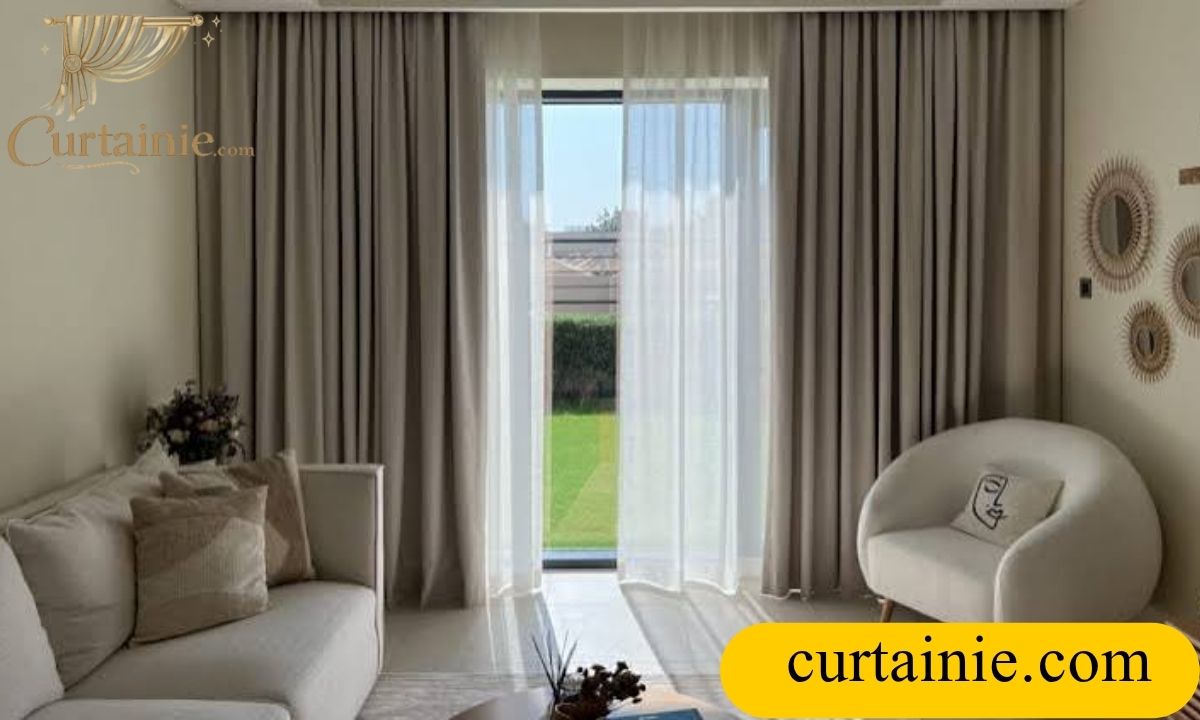
Once you know that color doesn’t compromise performance, the real question becomes: why choose white or light shades over black? Turns out, there are several practical reasons.
Are White Blackout Curtains Better?
“Better” depends on what you’re optimizing for — but for many homes, yes, a light-colored blackout curtain gives you the same darkness with fewer downsides than a heavy black panel.
Visually Enlarge the Room
Light shades reflect a large share of ambient light back into the room instead of absorbing it, which makes a space feel bigger and airier. This is especially useful in:
- Small bedrooms (under roughly 120 square feet)
- Rooms with low ceilings
- North-facing rooms that already get limited natural light
A dark curtain in a small, dim bedroom tends to make the space feel boxed in. A light one opens it back up.
Create a Soft Atmosphere (Baby’s Room)
Nurseries are one of the biggest reasons parents search for light-colored blackout options. Soft tones — cream, sage, pale blue — create a calming environment without the heaviness of a dark panel. And because babies wake up at very low light levels, true 100% blackout still matters here just as much as in an adult bedroom.
Integrate Into Light and Modern Interiors
Bright, neutral interiors — white walls, natural wood, soft textiles — are one of the most popular design trends right now. A black or charcoal curtain can feel jarring in that kind of space, while an off-white or muted pastel blends in naturally.
Are White Blackout Shades Effective?
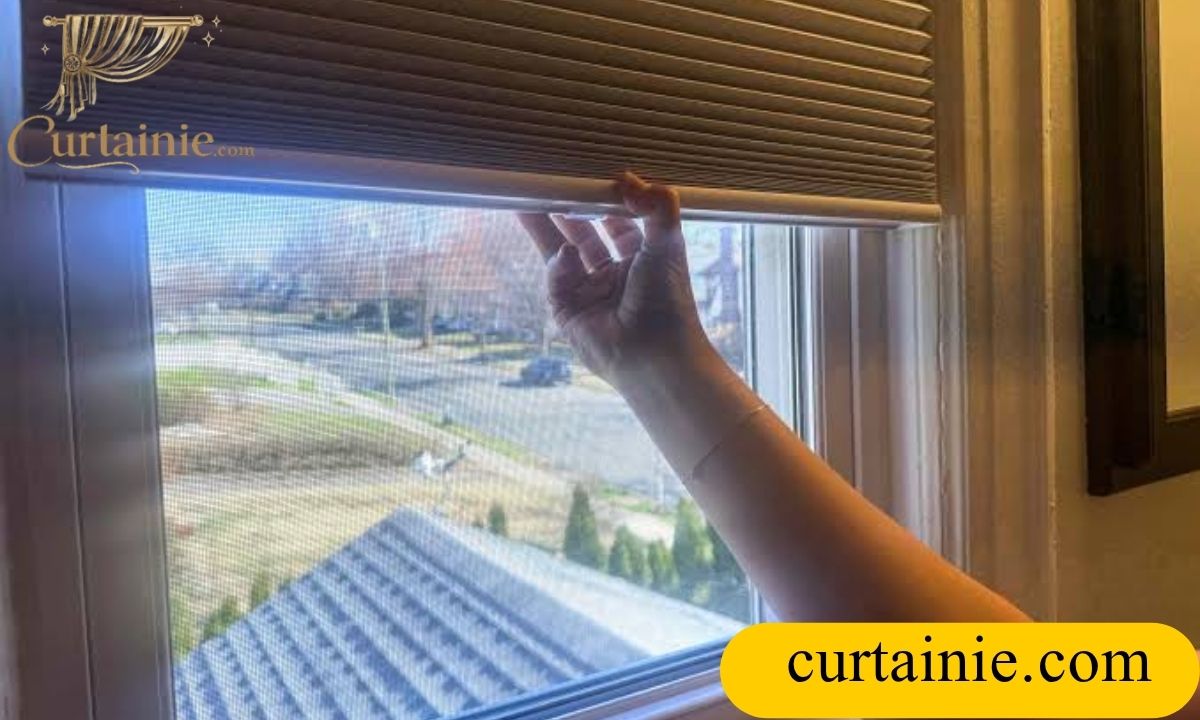
Yes, the same logic applies to shades as it does to curtains. A cellular or roller shade with a genuine blackout lining performs the same regardless of its face color, as long as the lining itself is opaque and properly sealed at the edges. The color you see is simply the outward-facing layer — the actual blocking happens in the fabric behind it.
Don’t Heat the Room in Summer
With cheap single-layer fabric, dark colors absorb more solar heat and radiate it back into the room — that’s basic physics. With a properly built multi-layer curtain, the internal membrane blocks heat transfer on its own, so the color difference in warmth becomes negligible. Light fabric does stay slightly cooler to the touch, which adds a small comfort bonus in summer.
The 7 Kurtens Colors: All Blackout, All High-Performance
Kurtens builds every one of its technical curtains around the same heavyweight, multi-layer construction — which is why every color in the range delivers identical performance.
| Color | Blackout | Thermal Gain | Sound Reduction | Best For |
| Off-white | 100%* | Up to 7°C* | 22 dB* | Living rooms, bedrooms, lounges |
| Cream beige | 100%* | Up to 7°C* | 22 dB* | Nurseries, small rooms, home offices |
| Mint green | 100%* | Up to 7°C* | 22 dB* | Nurseries, adult bedrooms |
| Blue | 100%* | Up to 7°C* | 22 dB* | Adult bedrooms (sleep-focused) |
| Lilac | 100%* | Up to 7°C* | 22 dB* | Adult and teen bedrooms |
| Green | 100%* | Up to 7°C* | 22 dB* | Living rooms, bedrooms, offices |
| Grey | 100%* | Up to 7°C* | 22 dB* | Any room, a safe all-purpose choice |
*Based on testing under optimal conditions.
Because the construction is identical across the range, choosing a color becomes purely a design decision — not a performance trade-off.
What Are the Disadvantages of Blackout Curtains?

Blackout curtains aren’t perfect for every situation. Before you buy, weigh these common drawbacks:
- Light gaps at the edges — even a great fabric won’t help if the curtain doesn’t extend well past the window frame.
- Cost — genuine multi-layer curtains cost more upfront than basic single-layer panels.
- Weight and bulk — heavier fabrics need sturdier rods and brackets.
- Room can feel dark during the day — total blackout means total blackout, even at noon, which some people find disorienting.
- Vague labeling — the word “blackout” isn’t a regulated term everywhere, so some products marketed that way only block partial light.
How to Check That a Light-Colored Curtain Is Really Blackout
Before buying, run through these three checks:
- Look for construction details. A listing that just says “blackout fabric” without mentioning layers or a blocking membrane is a red flag — it’s likely a coated single-layer panel that will fade in performance over a few years.
- Check the fabric weight. Lightweight single-layer fabric (roughly 200 g/m² or less) in a pale color will never reach true 100% blackout. Heavier, multi-layer fabric (500+ g/m²) can, regardless of color.
- Do a flashlight test. Hold a strong light source directly against the fabric in a dark room. If you see a glow or halo through the material, it isn’t a genuine full blackout curtain.
What to Remember
A blackout curtain doesn’t need to be dark to work. What actually blocks light is the internal construction — specifically, a dense, multi-layer build with an opaque blocking membrane. A light-colored curtain built this way performs exactly like a black one, while also making a room feel bigger, brighter, and calmer.
Should Blackout Curtains Be Black or White?
Neither color has a performance edge when the curtain is properly constructed — the choice comes down to your room’s style, size, and mood, not how dark you need it.
More Curtain Tips
If you’re still deciding on style, size, or fabric, it’s worth reading up on choosing the right curtain color for your walls, how to properly measure a window for a made-to-measure fit, and which fastener style suits your rod setup. Getting these details right matters just as much as the fabric itself for a truly light-tight result.
Pay in 4 Instalments
Many curtain retailers, including Kurtens, now offer flexible payment options like paying in 4 interest-free instalments through providers such as PayPal — worth checking at checkout if you’re upgrading a full room at once.
Also read this curtain: Blackout vs Room Darkening vs Sheer Curtains Guide
FAQs
Do white blackout curtains really work?
Yes, white blackout curtains block 90-99% of light when made with proper blackout lining, though they may let in slightly more light around the edges than dark-colored ones.
Are white blackout curtains as good as dark ones?
White blackout curtains block nearly as much light as dark curtains since the blocking power comes from the lining, not the outer fabric color.
Do light-colored blackout curtains block light?
Yes, light-colored blackout curtains block light effectively because a special opaque lining—not the fabric color—does the blocking.
Can white blackout curtains keep a room completely dark?
White blackout curtains can make a room nearly pitch black, though some light may still leak in around the sides and top.
Do white blackout curtains let light through the fabric?
Good quality white blackout curtains use a triple-weave or foam-backed lining that prevents light from passing through the fabric itself.
Summary
Color is a style choice, not a performance factor — when a curtain is genuinely multi-layered, white, cream, and pastel shades block light exactly as well as black or charcoal ones. Before buying, always check the construction and weight, not just the word “blackout” on the label, to make sure you’re getting the real thing.