

Transform Your Storage Space With Fabric Elegance
Walk into any beautifully styled bedroom and you will notice something beyond furniture and lighting — the small, intentional details that separate an ordinary room from an extraordinary sanctuary. Among these details, wardrobe closet door drapes stand out as one of the most versatile, affordable, and visually impactful choices a homeowner can make. This complete curtain chronicle explores everything you need to know about choosing, hanging, styling, and maintaining fabric panels for your storage spaces.
Why Fabric Panels Are Replacing Traditional Closet Doors
The design world has been experiencing a quiet revolution. Homeowners across the globe are swapping heavy, squeaky, space-consuming hinged panels for something far more elegant — flowing fabric. The reasons behind this shift are both practical and aesthetic.
Traditional wooden or mirrored doors require clearance to swing open, stealing precious square footage from already compact bedrooms. Sliding versions, while better, often jam, jump off tracks, and become frustrating daily companions. Bifold options crack at hinges and warp in humidity.
Fabric alternatives, on the other hand, glide effortlessly on a rod, fold back neatly, and introduce softness that hard materials simply cannot replicate. Interior designers frequently call this swap one of the highest-return, lowest-cost upgrades available to renters and homeowners alike.
Choosing the Right Material for Wardrobe Drapes
Selecting fabric for your closet covering is not simply about color. Texture, weight, opacity, and durability all play critical roles in how the finished result looks and functions over time.
Linen and Cotton Blends
Natural fibers breathe exceptionally well, making them ideal for wardrobes housing clothing that needs air circulation. Linen develops a beautiful lived-in look over time, offering relaxed sophistication. Cotton blends are easier to launder and maintain their shape wash after wash.
Velvet and Brocade
For a dramatic, luxurious statement, heavier fabrics deliver unmatched visual weight and richness. Velvet absorbs light rather than reflecting it, creating depth that photographs beautifully. Brocade patterns introduce historical elegance, particularly suited to traditional or maximalist interiors.
Sheer and Semi-Sheer Fabrics
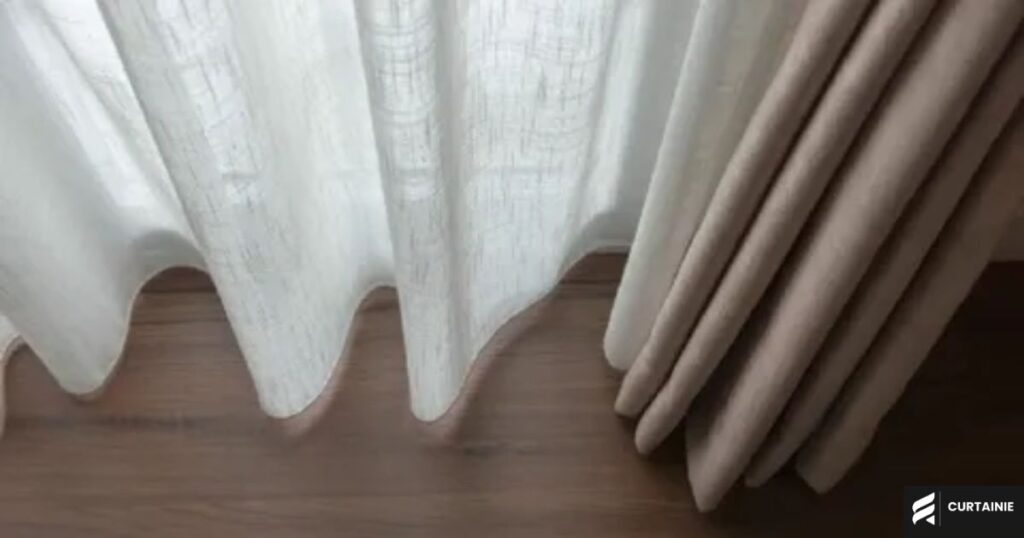
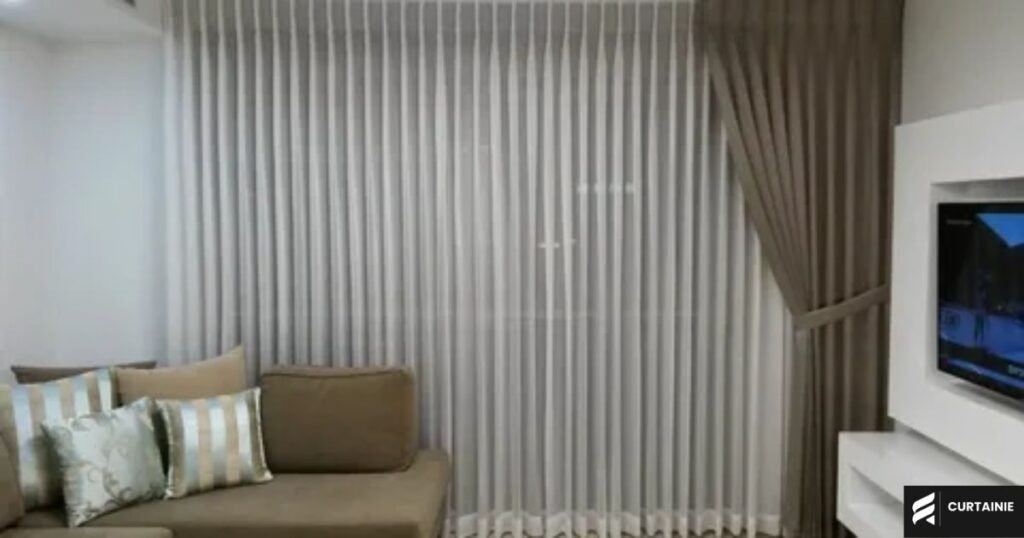
Rooms that feel cramped benefit enormously from lighter, translucent panels. Sheers allow ambient light to pass through while still providing coverage, creating an airy, expansive atmosphere. Layering a sheer beneath a heavier outer panel gives you complete flexibility — open for brightness, closed for privacy.
Blackout Liners
Adding a blackout lining behind decorative fabric serves a dual purpose. It protects clothing from UV fading and provides complete visual privacy. Many high-end ready-made panels come pre-lined, but custom linings can be sewn onto existing curtains with minimal effort.
Measuring Your Closet Opening Correctly
Accurate measurement separates a polished installation from a sloppy one. Before purchasing any fabric panels, invest fifteen minutes into proper sizing.
Width: Measure the full width of the opening. Multiply this figure by 1.5 to 2.5, depending on how full you want the drape to appear. More fabric means more luxurious gathering. Less fabric creates a cleaner, more tailored silhouette.
Length: Decide where you want the hem to fall. Options include:
- Sill length — ending at the top of the floor, clean and practical
- Floor length — grazing the ground, formal and elegant
- Puddle length — pooling slightly on the floor, theatrical and romantic
Always account for rod placement when calculating drop. Mounting the hardware several inches above the opening visually raises the ceiling and makes the entire wall appear taller.
Hardware Options That Complete the Look
The rod and mounting hardware you select contribute significantly to the overall aesthetic. Mismatched hardware undermines even the most beautiful fabric.
Tension Rods
The easiest, most rental-friendly solution. No drilling required. Tension rods work perfectly for lighter fabrics inside the closet recess or within shallow openings. They are repositionable and completely damage-free.
Decorative Curtain Rods
For a finished, intentional appearance, decorative rods with finials are the premium choice. Materials range from matte black iron and brushed brass to antique bronze and polished chrome. The finial style — whether spear, ball, crystal, or geometric — acts as jewelry for the wall.
Track Systems
Ceiling-mounted tracks offer the most streamlined, contemporary look. They are invisible when the panels are closed, keeping the visual focus on the fabric itself. Track systems also allow panels to stack completely off to one side, maximizing the opening width when accessing your wardrobe.
Clip Rings vs. Rod Pockets
Clip rings attach to the fabric top and hang from the rod, allowing easy removal for laundering. Rod pockets thread the fabric directly onto the rod for a gathered, cottage-style appearance. Grommets create evenly spaced, graphic loops that suit modern interiors beautifully.

Color Psychology and Pattern Selection
The palette you choose for closet drapes influences the entire mood of a bedroom. Strategic color selection can make a space feel larger, cozier, more energized, or deeply restful.
Neutral tones — cream, taupe, warm gray, and soft white — are perennial favorites because they recede visually, making them excellent for small rooms. They also complement virtually every other color in a space.
Deep, saturated hues — navy, forest green, burgundy, charcoal — create drama and sophistication. A single wall of floor-length jewel-toned panels can anchor an entire bedroom design around itself.
Patterns — stripes elongate vertical space, florals introduce organic softness, geometrics add contemporary edge, and tone-on-tone textures add interest without visual noise.
One principle guides professional designers: if your bedding, rugs, or upholstery carry strong pattern, keep the drapes solid. If the room is primarily neutral, a patterned panel introduces personality without overwhelming the senses.
Installation Tips for a Flawless Finish
Even the most expensive fabric looks amateur when hung incorrectly. Follow these professional guidelines for results that appear custom and intentional.
Mount high, spread wide. Position the rod as close to the ceiling as possible. Extend the rod several inches beyond each side of the opening so the panels frame it rather than block it when drawn open.
Use a level. Even a slight tilt is immediately noticeable once panels hang. A small bubble level costs almost nothing and prevents this common mistake.
Steam before hanging. Freshly unpacked fabric carries creases from packaging. A handheld steamer removes them in minutes. Never hang wrinkled panels and expect them to relax on their own — they rarely do.
Weight the hem. Sewing small curtain weights into the bottom hem prevents lightweight panels from billowing, ensures they hang straight, and gives them a more tailored, intentional drape.
Styling Wardrobe Drapes Within Different Interior Aesthetics
Minimalist and Scandinavian
Choose panels in off-white or pale oatmeal linen. Hang on a simple matte black rod with no finials. Keep the rod barely visible, the fabric unlined, and the hem perfectly level. Restraint is everything.
Bohemian and Eclectic
Layer multiple panels in complementary prints — perhaps an ikat alongside a stripe. Mix metals in your hardware. Allow a slight puddle at the hem. Fringe trim along the bottom edge adds textural personality that suits free-spirited interiors perfectly.
Traditional and Classic
Heavyweight fabric in rich colors with full lining creates the formal gravitas that classic interiors demand. Decorative tiebacks in matching or contrasting fabric hold panels elegantly aside. A substantial finial in antique gold or aged bronze completes the picture.
Contemporary and Industrial
Crisp white cotton, barely-there sheers, or charcoal canvas hung on exposed black iron pipe creates urban, utilitarian sophistication. Grommet-top panels emphasize the graphic quality that industrial spaces celebrate.
Maintaining Fabric Closet Panels
Longevity depends entirely on proper care. Neglected panels fade, stiffen, and develop mildew in humid environments.
Regular dusting prevents dust accumulation that embeds itself into fibers over time. A gentle vacuum attachment on low suction works beautifully for most fabrics.
Spot cleaning handles minor stains without requiring full removal. Always blot rather than rub. Test cleaning solutions on an inconspicuous section before applying to a visible area.
Laundering schedule varies by fabric. Most cotton and linen panels tolerate machine washing on a gentle cycle in cool water. Velvet and brocade generally require professional dry cleaning to maintain their texture and sheen.
Sun rotation matters if one panel receives significantly more direct light than another. Rotating panels periodically prevents uneven fading.
Budget-Friendly Approaches to Elevated Results
Achieving a designer look need not require a designer budget. Several strategies deliver significant visual impact at accessible price points.
Purchasing extra panels beyond what measurements technically require creates fuller, more luxurious gathering without proportionally increasing cost. The difference between one panel per side and two panels per side is dramatic — and often costs less than a single specialty item.
Thrift stores and fabric markets frequently carry beautiful vintage panels and yardage at fractions of retail pricing. Custom hemming services available at most dry cleaners can tailor any found fabric to precise specifications.
Iron-on hem tape allows anyone to create clean, professional hems without sewing skills. Combined with clip rings, this approach makes fully custom panels accessible to every budget level.
Seasonal Refreshes Using the Same Hardware
One of the greatest advantages of the curtain chronicle approach to wardrobe styling is the ease of seasonal updating. Unlike fixed doors, fabric panels change in minutes.
Keep your permanent hardware installed year-round. Swap light, breezy summer panels for heavier, more insulating winter versions. This rotation simultaneously refreshes the bedroom aesthetic and contributes to energy efficiency during colder months.
Holiday panels in seasonal colors or textures can transform a bedroom for special occasions and be stored compactly during the rest of the year.
Common Mistakes to Avoid
Hanging too low — This single error makes ceilings feel lower and rooms feel smaller. Always position hardware as high as possible.
Insufficient width — Panels that barely cover the opening look sparse and unfinished. More fabric always reads as more intentional.
Ignoring scale — Small closets with towering dramatic panels look unbalanced. Match the visual weight of your fabric choice to the scale of the space.
Forgetting function — Beautiful panels that are difficult to open and close will be left permanently drawn. Ensure your chosen system operates smoothly every single time.
Read more: what color curtains go with gray couch
Frequently Asked Questions
Q1: Can wardrobe closet door drapes work in small bedrooms?
Yes — lightweight, floor-length panels in pale tones actually make compact bedrooms appear larger by eliminating the visual bulk of traditional doors.
Q2: How do I prevent curtain panels from sliding to one side on a smooth rod?
Adding rubber rod grips or decorative ring clips with adjustable stoppers keeps panels evenly positioned throughout the day.
Q3: Are fabric closet panels suitable for humid climates or bathrooms?
Moisture-resistant polyester blends or treated fabrics work well in high-humidity environments, provided ventilation remains adequate to prevent mildew growth.
Q4: What is the easiest way to hang wardrobe drapes without drilling?
Tension rods or adhesive-mounted hooks rated for curtain weight offer completely damage-free installation suitable for renters and temporary arrangements.
Q5: How often should closet drape panels be professionally cleaned?
Delicate or lined panels typically benefit from professional cleaning once annually, while machine-washable cotton and linen versions can be laundered every three to four months.
Final Thoughts
The curtain chronicles of home design tell a consistent story: fabric transforms function into art. Wardrobe closet door drapes are not merely a practical covering — they are an opportunity to introduce texture, color, movement, and personality into the most personal room in a home. Whether you prefer the quiet elegance of natural linen, the dramatic weight of velvet, or the crisp simplicity of cotton canvas, the right panel choice elevates every glance toward your storage space from mundane to memorable. Begin with accurate measurements, invest in quality hardware, and allow your fabric selection to reflect your truest design sensibility. The result will be a wardrobe surround that feels as carefully considered as every other element in your beautifully curated space.