
When it comes to window treatments, wood blinds have long been a top choice for American homeowners. Whether you’re redecorating a living room in Texas, renovating a bedroom in California, or upgrading a home office in New York, wood blinds offer a timeless aesthetic that few other window coverings can match. But like any home improvement product, they come with both advantages and drawbacks.
In this in-depth guide, we’ll walk you through the complete pros and cons of wood blinds, helping you decide whether they’re the right fit for your home. From cost and durability to style versatility and humidity sensitivity, we cover it all — so you can make an informed decision before spending your hard-earned money.
What Are Wood Blinds?
Wood blinds are horizontal slat-style window coverings made from real hardwood, typically basswood, ramin, or bamboo. They operate on a cord or cordless lift system that allows you to raise or lower them, and a tilt mechanism that lets you adjust the angle of the slats to control light and privacy.
Available in a wide range of stains, paints, and finishes, wood blinds are sold at major US retailers like Home Depot, Lowe’s, and Blinds.com, as well as custom window treatment shops across the country. They typically range from $50 to $300+ per window depending on size and quality.
Pros of Wood Blinds
1. Timeless, Natural Aesthetic
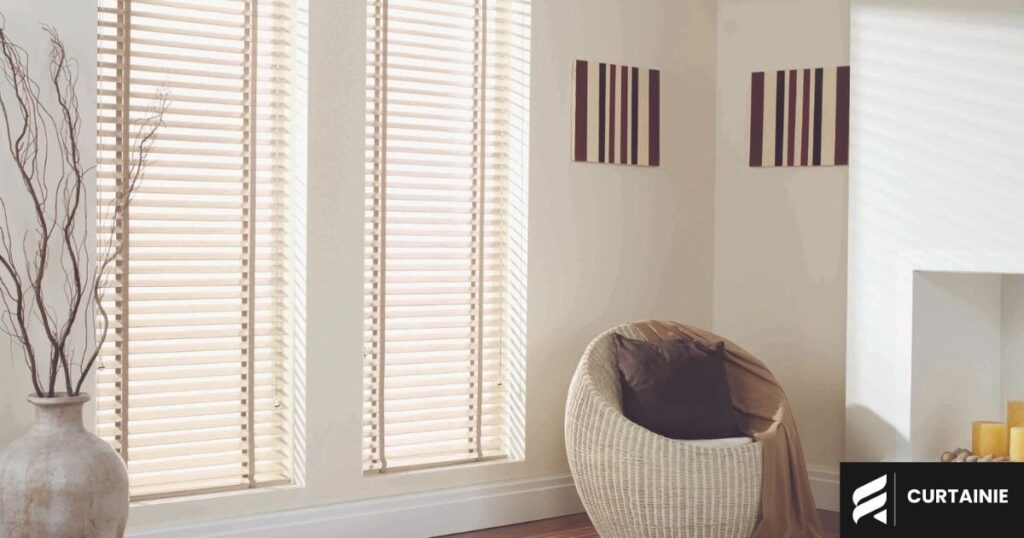
One of the biggest reasons American homeowners choose wood blinds is their classic, warm, and natural look. Real wood adds an organic texture and richness to any room that synthetic alternatives simply cannot replicate. Whether your interior design is traditional, farmhouse, modern rustic, or transitional, wood blinds blend in seamlessly.
Wood blinds are especially popular in open-plan living areas, dining rooms, and master bedrooms — spaces where aesthetics matter most. Their natural grain patterns mean no two sets of blinds look exactly alike, giving your home a unique, high-end feel.
2. Excellent Light Control
Wood blinds give you precise control over how much natural light enters your room. By simply rotating the tilt rod or pulling the cord, you can go from full sunlight to complete privacy in seconds. The wide slats (typically 2 to 3.5 inches) are especially effective at blocking harsh afternoon sun without making a room feel dark or closed off.
For US homeowners in sun-heavy states like Arizona, Florida, or Nevada, this level of light management is a major bonus. You can protect your furniture and flooring from UV damage while still enjoying a well-lit, comfortable space.
3. Durability and Longevity
High-quality wood blinds can last 10 to 20 years when properly maintained. Unlike fabric curtains that fade, fray, or collect dust over time, hardwood blinds are resistant to everyday wear and tear. They hold their shape well, don’t sag, and maintain their structural integrity even after years of daily use.
When you invest in a reputable brand — such as Hunter Douglas, Graber, or Levolor — you’re getting a product built to last. This longevity makes wood blinds a cost-effective choice in the long run, even if the upfront price is higher than other window treatment options.
4. Wide Range of Customization Options
Wood blinds are highly customizable. You can choose from dozens of stain colors (from light maple to rich mahogany), painted finishes (white, off-white, and bold colors), slat widths, headrail styles, and lift systems. Many retailers offer custom-cut sizes to fit non-standard windows perfectly.
You can also add upgrades like fabric tapes (decorative ladder tapes that replace standard cloth tapes), motorization for smart home integration, and valances for a polished finished look. This level of personalization is hard to beat with any other window treatment type.
5. Adds Value to Your Home
Real wood blinds are considered a premium window treatment in the US real estate market. Installing them can increase the perceived value of your home when it comes time to sell. Buyers often associate wood blinds with quality finishes, attention to detail, and a well-maintained property.
In staged homes and luxury listings across cities like Chicago, Los Angeles, and Seattle, wood blinds consistently show up as a go-to choice for interior stylists looking to impress potential buyers.
Cons of Wood Blinds
1. Higher Cost Than Other Window Treatments
Let’s be honest — real wood blinds are not cheap. Compared to faux wood blinds, vinyl blinds, or fabric roller shades, hardwood blinds come with a noticeably higher price tag. For a medium-sized window, you can expect to pay $100–$300 or more, and costs climb quickly if you’re outfitting an entire house.
For budget-conscious homeowners, this upfront investment can be a barrier. However, if you plan to stay in your home long-term, the durability and lifespan of wood blinds often justify the initial expense.
2. Not Ideal for High-Humidity Areas
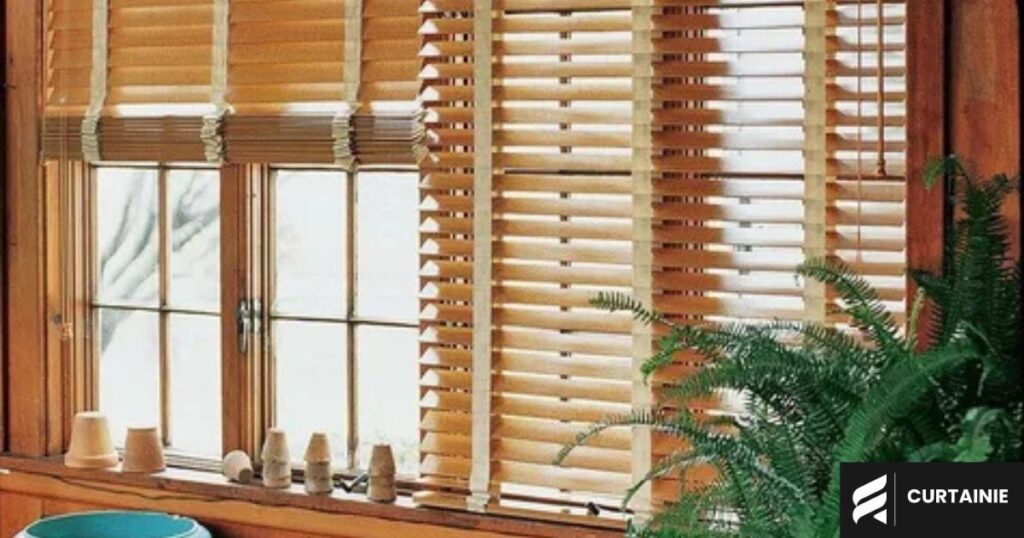
Wood is a natural material, and it reacts to moisture. In rooms with high humidity — like bathrooms, kitchens, or basements — real wood blinds can warp, crack, or discolor over time. This is a significant disadvantage for homeowners in humid climates like the Gulf Coast, Southeast US, or the Pacific Northwest.
For these areas, experts typically recommend faux wood blinds (made from PVC or composite materials) as a moisture-resistant alternative that mimics the look of real wood without the humidity sensitivity.
3. Heavier Than Other Blinds
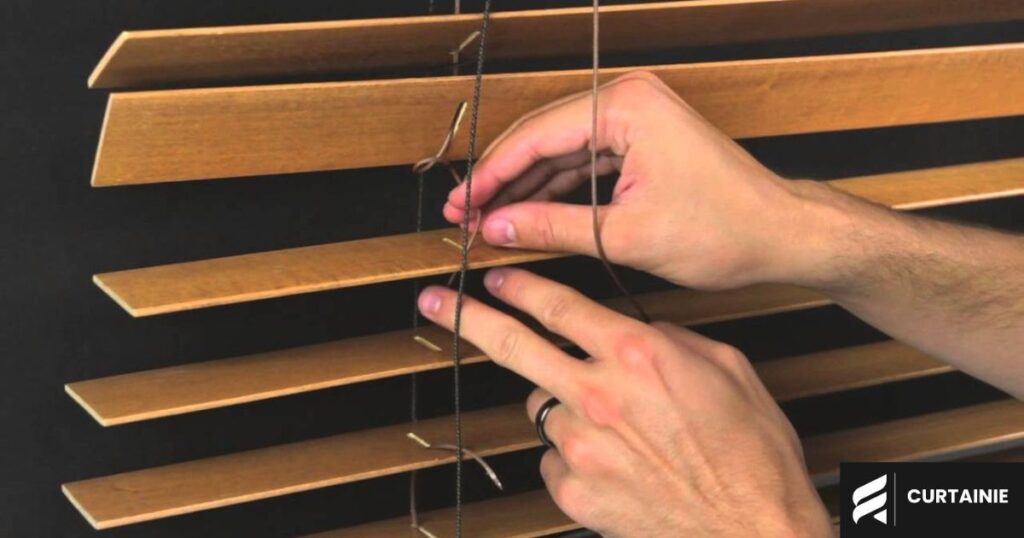
Real wood blinds are heavier than their aluminum or vinyl counterparts. On large windows, this extra weight can strain the lifting mechanism, making them harder to raise and lower, especially for children or seniors. Over time, the repeated stress on the cords and headrail may lead to mechanical issues.
For oversized windows or wide patio doors, the weight of wood blinds can be a practical limitation. In these cases, you might want to split the window into multiple sections or consider an alternative like vertical blinds or cellular shades.
4. Requires Regular Maintenance
Wood blinds require more upkeep than many other window treatment options. Dust accumulates on the slats and must be regularly wiped down to maintain their appearance. Wood also needs occasional conditioning or polishing to prevent dryness and cracking, particularly in dry climates like Colorado, Utah, or the Midwest.
Cleaning wood blinds is also more labor-intensive than washing fabric curtains. They cannot be machine washed or submerged in water. Spot cleaning with a damp cloth and mild wood cleaner is typically the safest method, which can be time-consuming for large windows or multiple rooms.
5. Limited Insulation Compared to Cellular Shades
While wood blinds do offer some insulation benefits — the natural wood material provides a degree of thermal resistance — they are not as energy-efficient as cellular (honeycomb) shades. If your primary concern is reducing your heating and cooling bills, wood blinds might not be the best choice.
In states with extreme temperatures — whether the bitter winters of Minnesota or the scorching summers of Texas — your home’s energy efficiency could be better served by window treatments specifically designed for insulation. That said, pairing wood blinds with curtains or drapes can help bridge this gap.
Wood Blinds vs. Faux Wood Blinds: Which Should You Choose?
Many US shoppers find themselves torn between real wood and faux wood blinds. Here’s a quick comparison:
Feature | Real Wood Blinds | Faux Wood Blinds
———————|—————————|——————
Cost | $100–$300+ per window | $30–$150 per window
Moisture Resistance | Low | High
Appearance | Natural, premium | Realistic but synthetic
Weight | Heavier | Lighter
Best For | Dry rooms, living areas | Bathrooms, kitchens
Durability | 10–20 years | 10–15 years
Tips for Getting the Most Out of Your Wood Blinds
– Choose basswood for the lightest weight — it’s the most commonly used and easiest to operate hardwood for blinds.
– Avoid installing real wood blinds in bathrooms or over kitchen sinks where steam and moisture are common.
– Dust your blinds weekly using a microfiber cloth or a blind-specific duster to prevent buildup.
– Apply a wood conditioning oil or furniture polish every 6–12 months to keep the slats from drying out or cracking.
– Use a cordless or motorized lift system if you have young children — it eliminates cord safety hazards and is recommended by the Window Covering Safety Council.
– Add blackout lining or pair with room-darkening drapes if you need full light blockage, especially in bedrooms.
Who Should Buy Wood Blinds?
Wood blinds are an excellent choice for homeowners who prioritize aesthetics and are willing to invest in a premium window treatment. They work particularly well in:
– Living rooms, dining rooms, and home offices where curb appeal and style matter
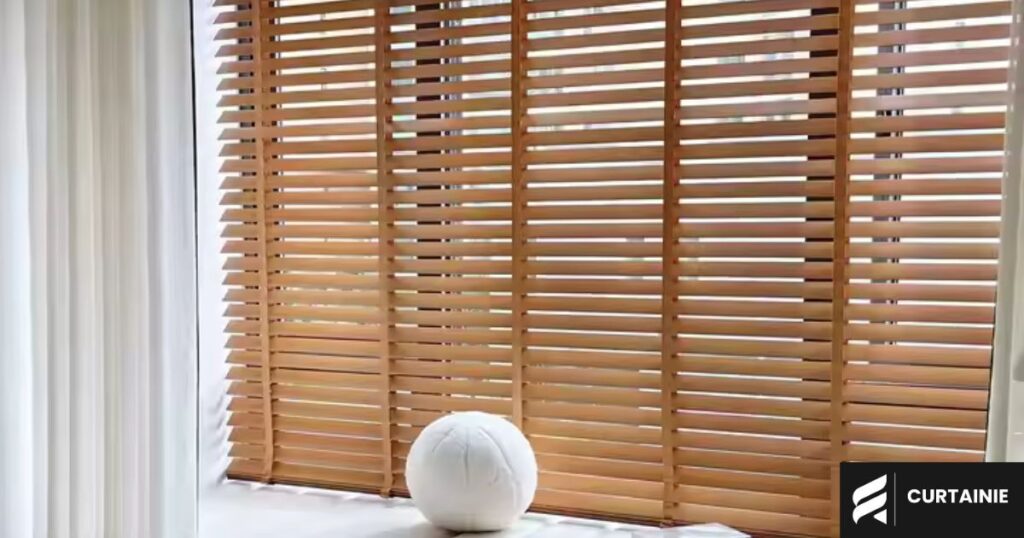
– Homes with hardwood floors — wood blinds create a cohesive, natural look throughout
– Dry climates or rooms that don’t experience significant humidity fluctuations
– Homeowners planning to stay in their property long-term and want a durable, lasting investment
Read More: ultimate guide roller shades pros and cons
Frequently Asked Questions (FAQs)
Q1: Are wood blinds worth the money?
Yes — wood blinds offer exceptional durability, a premium natural look, and long lifespan (10–20 years), making them a worthwhile investment for most US homeowners who want quality window treatments that add real value to their home.
Q2: Can wood blinds be used in bathrooms?
Real wood blinds are not recommended for bathrooms due to moisture sensitivity; opt for faux wood blinds instead, as they are moisture-resistant and offer a nearly identical appearance at a lower price point.
Q3: How do I clean wood blinds?
Dust wood blinds weekly with a microfiber cloth or blind duster, and spot-clean with a lightly damp cloth and mild wood cleaner — never submerge them in water or use harsh chemical sprays.
Q4: How long do wood blinds last?
With proper care and maintenance, high-quality real wood blinds from reputable brands like Hunter Douglas or Levolor can last anywhere from 10 to 20 years in a dry, well-maintained environment.
Q5: What is the difference between wood blinds and faux wood blinds?
Real wood blinds are made from natural hardwood and offer a richer appearance but are moisture-sensitive and costlier, while faux wood blinds are made from PVC or composite materials, are more affordable and moisture-resistant, and are ideal for kitchens, bathrooms, and humid climates.
Final Verdict:
Wood blinds remain one of the most sought-after window treatments in the United States, and for good reason. Their natural beauty, precision light control, long lifespan, and high customization options make them a strong contender for any room in your home — particularly living areas, bedrooms, and offices.
That said, they’re not a one-size-fits-all solution. If you live in a humid climate, have a tight budget, or need window coverings for moisture-prone rooms, faux wood blinds or another alternative might serve you better.
Ultimately, the best window treatment is the one that fits your lifestyle, your home, and your priorities. Use the pros and cons outlined in this guide to make a confident, informed decision — and enjoy the transformation that beautiful window treatments can bring to your living space.