
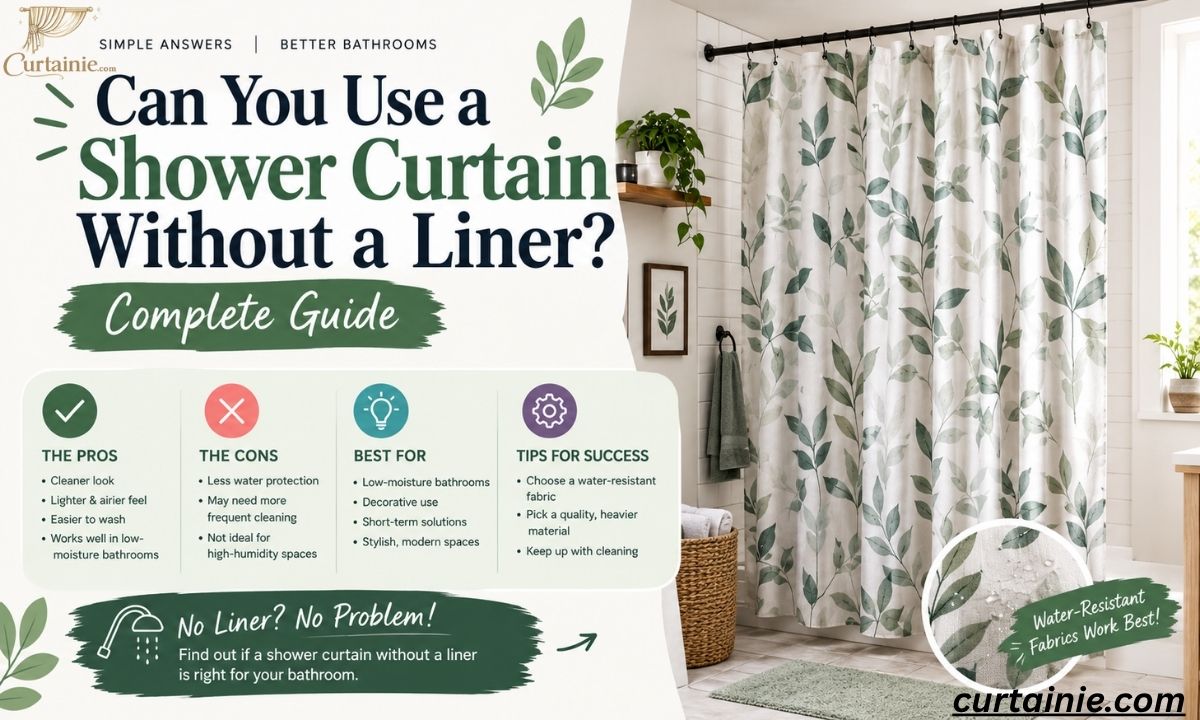
When setting up a bathroom, one of the most common questions homeowners and renters ask is: can you use a shower curtain without a liner? The short answer is yes — but whether you should depends on the type of curtain you have, your bathroom setup, and how much maintenance you are willing to do. This complete guide covers everything you need to know before making that decision.
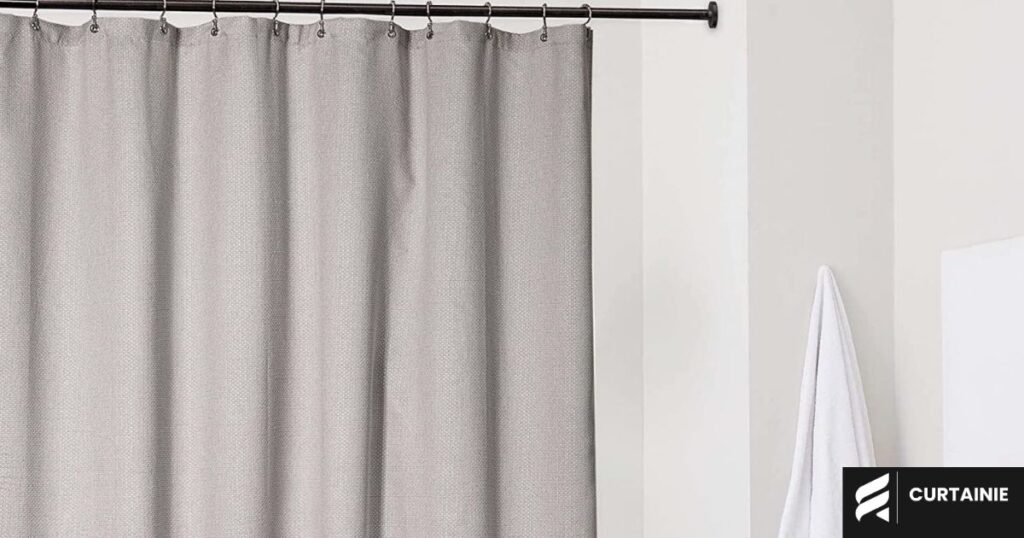
What Is a Shower Curtain Liner and What Does It Do?
A shower curtain liner is a waterproof or water-resistant inner layer that hangs inside the tub or shower stall. It is usually made from PEVA (polyethylene vinyl acetate), PVC vinyl, or polyester fabric. Its primary job is to keep water inside the shower and prevent it from splashing onto your bathroom floor.
The decorative shower curtain you see from outside the shower is typically designed for aesthetics. The liner works behind it as the functional, waterproof barrier.
Key functions of a shower curtain liner:
- Repels water and prevents floor flooding
- Protects a decorative curtain from direct water exposure
- Reduces mold and mildew buildup on the outer curtain
- Adds weight to keep the curtain from blowing inward
Can You Use a Shower Curtain Without a Liner?
Yes, you can use a shower curtain without a liner — but only under certain conditions. The feasibility depends entirely on the material of your shower curtain.
When You Can Skip the Liner
You do not need a liner if your shower curtain is made from a waterproof or water-resistant material such as:
- PEVA or PVC vinyl – These materials are inherently waterproof and are designed to function as both a curtain and a liner in one.
- Treated polyester – Some polyester curtains come with a water-repellent coating that makes them suitable for liner-free use.
- Hemp or organic cotton with waterproof treatment – Certain specialty curtains are treated to resist water.
If your curtain is labeled “2-in-1” or “no liner needed,” you are good to go without a separate liner.
When You Should Always Use a Liner
You must use a liner if your curtain is made from:
- Regular cotton or linen – These fabrics absorb water quickly, become heavy, develop mildew, and can damage your bathroom floor.
- Decorative fabric curtains – Most fabric shower curtains sold at home décor stores are not waterproof and are designed to be paired with a liner.
- Sheer or lightweight fabric – These offer zero water resistance and will soak through immediately.
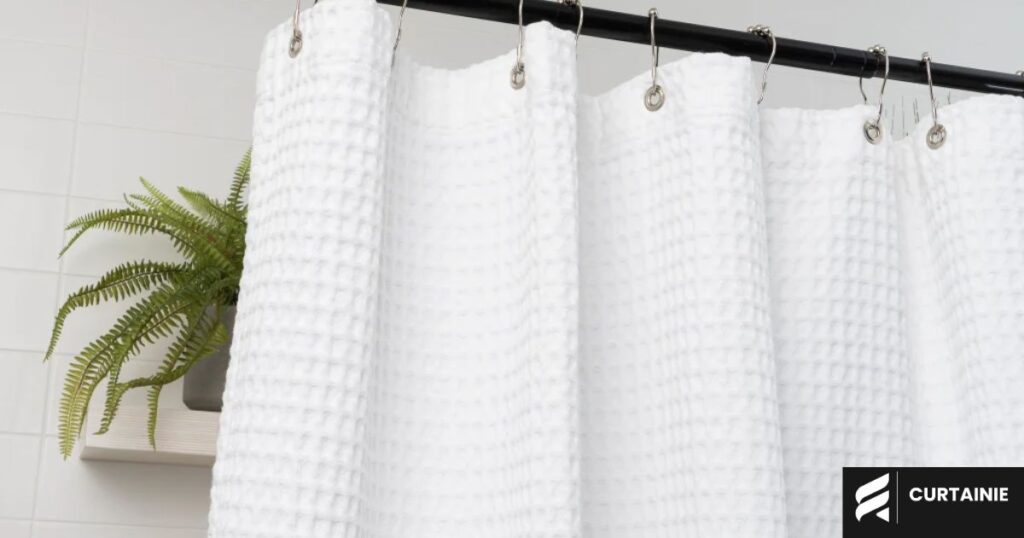
What Happens If You Use a Fabric Curtain Without a Liner?
Using a non-waterproof fabric curtain without a liner can lead to several problems:
1. Water Damage to Your Floor
Without a waterproof barrier, water splashes directly onto the bathroom floor. Over time, this can warp wooden flooring, loosen tiles, or create water stains.
2. Mold and Mildew Growth
Wet fabric is a breeding ground for mold and mildew. Without a liner, your curtain stays damp much longer after every shower, increasing the risk of black mold forming in the folds.
3. Faster Curtain Deterioration
Constant water exposure breaks down fabric fibers, fades colors, and causes the material to lose its shape. Your curtain will need to be replaced far more often.
4. Unpleasant Odors
Damp, mildewy fabric creates musty odors that can spread throughout your bathroom and make the space feel unclean.
5. Higher Cleaning Frequency
Without a liner absorbing the initial water contact, your decorative curtain will need to be laundered much more frequently.
Types of Shower Curtains and Whether They Need a Liner
| Curtain Material | Needs a Liner? | Reason |
|---|---|---|
| PEVA / PVC Vinyl | No | Waterproof by nature |
| Treated Polyester | No (usually) | Water-repellent coating |
| Cotton / Linen | Yes | Absorbs water |
| Decorative Fabric | Yes | Not waterproof |
| Hemp (untreated) | Yes | Absorbs water |
| 2-in-1 Curtain | No | Designed for liner-free use |
| Sheer / Lightweight Fabric | Yes | No water resistance |
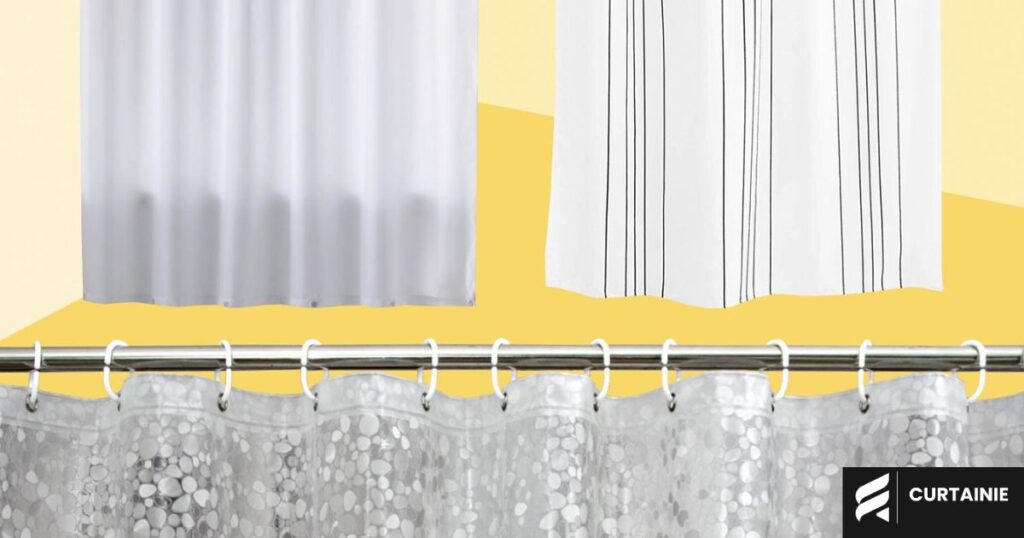
Benefits of Using a Shower Curtain Without a Liner
When your curtain material supports it, going liner-free has genuine advantages:
Simpler Setup
You only need to hang one curtain instead of managing two layers on the same rod.
Cost Savings
Liners need to be replaced every few months. Eliminating them saves money over time.
Less Clutter
A single curtain looks cleaner and less bulky, especially in smaller bathrooms.
Easier Cleaning
One item to wash instead of two means less laundry and faster bathroom maintenance.
Eco-Friendly Option
Many PEVA and PVC liners are made from plastics that are not easily recyclable. Choosing a high-quality waterproof curtain that works alone reduces plastic waste.
Drawbacks of Skipping a Shower Curtain Liner
Even with a waterproof curtain, there are some downsides to going without a liner:
More Frequent Washing
Without a liner to take the brunt of soap scum and water residue, your main curtain needs to be cleaned more often.
Shorter Curtain Lifespan
A liner takes the most wear and tear. Without it, your curtain itself will wear out faster and may need replacing sooner.
Risk of Mold If Not Dried Properly
Even waterproof curtains can develop mold along the bottom hem if they are not spread open to dry after each shower.
Less Privacy in Some Cases
If you had a sheer or semi-transparent curtain paired with an opaque liner, removing the liner reduces privacy.
How to Use a Shower Curtain Without a Liner Successfully
If you decide to go liner-free, follow these best practices to keep your curtain clean and your bathroom protected:
1. Choose the Right Material
Select a curtain that is explicitly labeled waterproof, water-resistant, or “no liner needed.” PEVA is one of the best budget-friendly options. Treated polyester offers a more fabric-like feel while still resisting water.
2. Spread It Open After Every Shower
Always push the curtain to one side — or spread it fully across the rod — after showering. This allows air circulation and prevents the damp folds from developing mold.
3. Use a Weighted Hem or Magnets
A curtain without a liner is lighter and more likely to blow inward while you shower. Choose a curtain with a weighted hem or suction-cup magnets to keep it in place.
4. Clean It Regularly
Wash your curtain every two to four weeks. Most PEVA and polyester curtains can be hand-washed or gently machine-washed on a cold, delicate cycle.
5. Check for Mold Monthly
Inspect the bottom hem and folds of your curtain monthly. Treat any early mold spots with a diluted white vinegar solution before they spread.
6. Ensure Proper Bathroom Ventilation
Run your bathroom exhaust fan during and after showers to reduce humidity and speed up drying time. This is especially important when you are not using a liner.
Best Shower Curtain Materials for Going Liner-Free
PEVA (Polyethylene Vinyl Acetate)
PEVA is the most popular liner-free option. It is chlorine-free, relatively eco-friendly compared to PVC, and fully waterproof. It is available at most price points and is easy to wipe clean.
PVC Vinyl
Traditional PVC is 100% waterproof and very durable. It is heavier than PEVA and does a better job of staying in place. However, PVC contains chlorine, making it less environmentally friendly.
Treated Polyester
High-quality polyester curtains with a DWR (Durable Water Repellent) coating can be used without a liner. They feel more like fabric, dry quickly, and are often machine washable.
Microfiber
Some microfiber curtains are tightly woven enough to repel water for short periods. They need to be washed frequently and may not be ideal for high-use showers.
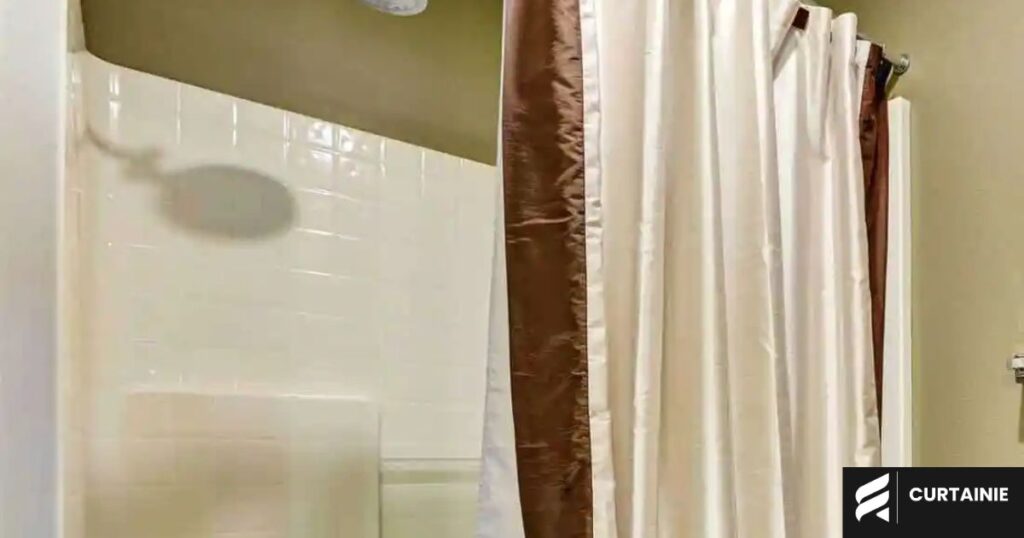
Shower Curtain vs. Liner: Do You Need Both?
The traditional setup of a decorative curtain + a plain liner exists because most decorative curtains are not waterproof. In this case, yes — you need both.
However, the market has evolved. Many modern curtains are designed to replace the liner entirely. If you choose one of these, there is no functional reason to use both.
Use both when:
- Your decorative curtain is made of fabric
- You want maximum protection for your floor
- Your shower has high water pressure or you take long showers
Skip the liner when:
- Your curtain is PEVA, PVC, or treated polyester
- It is labeled “2-in-1” or “no liner needed”
- You prefer minimal bathroom clutter
How Often Should You Replace a Shower Curtain Used Without a Liner?
Without a liner to absorb wear, your main curtain works harder. General replacement timelines:
- PEVA curtain: Every 6–12 months with regular cleaning
- PVC curtain: Every 12–18 months
- Treated polyester: Every 1–2 years if maintained well
- Fabric curtain with liner: The liner every 3–6 months; the curtain every 1–2 years
Signs it is time to replace your curtain: persistent mold that does not wash out, visible discoloration, tears, or a persistent musty smell.
Eco-Friendly Alternatives to Traditional Liners
If you are looking to reduce plastic use in your bathroom:
- GOTS-certified organic cotton curtains with a separate linen liner treated for water resistance
- Hemp shower curtains that are naturally mildew-resistant (though not fully waterproof)
- Recycled PEVA options from sustainable brands
- Glass shower doors — the most permanent, liner-free solution
Read more:how to hang a shower curtain without hooks
Frequently Asked Questions (FAQs)
Q1: Can I use a fabric shower curtain without a liner?
No, in most cases you should not. Regular fabric shower curtains — cotton, linen, polyester blends — are not waterproof. Without a liner, water will soak through, damage your floor, and cause rapid mold growth on the curtain.
Q2: Is PEVA safe to use as a shower curtain without a liner?
Yes. PEVA is chlorine-free and considered a safer alternative to traditional PVC. It is waterproof and works well as a standalone shower curtain without any liner.
Q3: What is the difference between a shower curtain and a liner?
A shower curtain is the decorative outer layer. A liner is the plain, waterproof inner layer that actually keeps water inside the shower. Some curtains are designed to serve both functions.
Q4: Will skipping a liner cause mold?
It can, if you do not dry your curtain properly after each shower. As long as you spread the curtain open to air dry and clean it regularly, the risk of mold is manageable.
Q5: Can I use a shower curtain liner by itself without a decorative curtain?
Yes. A plain liner can function as your only shower curtain. This is a common minimalist choice. Just keep it clean and replace it every few months.
Q6: How do I keep a curtain in place without a liner?
Use a curtain with a weighted hem, add curtain clips with suction cups to the tub edge, or install a curved shower rod that pushes the curtain outward and away from you.
Conclusion
So, can you use a shower curtain without a liner? Absolutely — as long as you choose the right curtain. If your curtain is made from PEVA, PVC, or a treated water-resistant fabric, you can safely skip the liner and enjoy a simpler, cleaner bathroom setup. However, if you have a decorative fabric curtain made of cotton, linen, or an untreated material, a liner is essential to protect your bathroom from water damage, mold, and premature curtain wear.
The key takeaways are simple: check your curtain’s material, dry it properly after every shower, clean it regularly, and ensure your bathroom is well-ventilated. Follow these steps and you can enjoy a fully functional, liner-free shower setup that looks great and lasts a long time.Whether you prefer the minimalist approach of a single waterproof curtain or the traditional double-layer system, the most important thing is that your shower setup keeps water where it belongs — inside the tub.