

Curtains are one of the most overlooked items when it comes to home cleaning. They hang quietly on your windows, collecting dust, pet hair, cooking odors, and allergens — yet many homeowners hesitate to wash them because they are unsure if it is safe to put curtains in a washing machine. The good news is that yes, in most cases, you can wash curtains in the washing machine — but only if you follow the right steps. This complete guide will walk you through everything you need to know to wash curtains safely, effectively, and without damage.
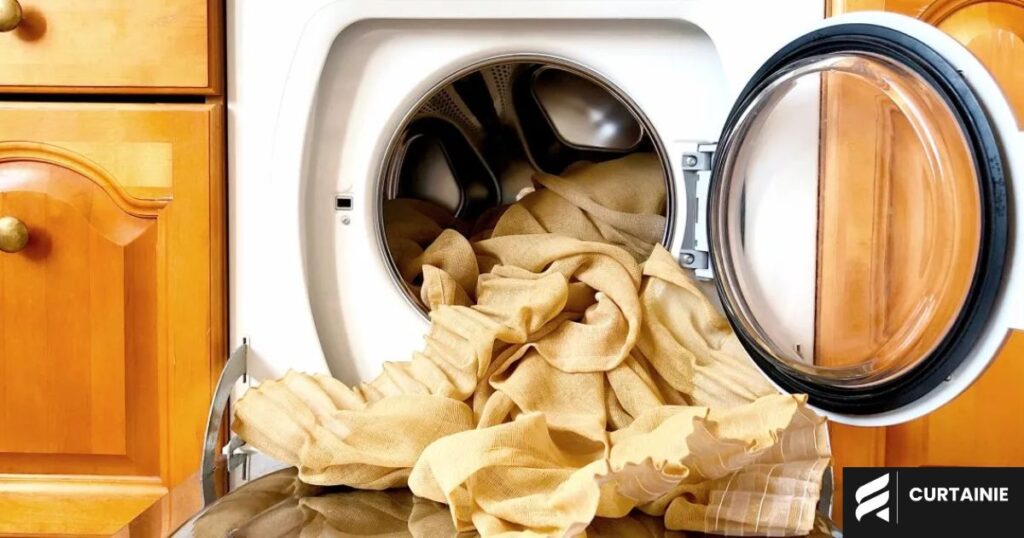
Why You Should Wash Your Curtains Regularly
Before diving into the how-to, it is important to understand why curtains need to be washed in the first place.
Curtains act as giant air filters in your home. Every day they trap:
- Dust and dust mites — a leading cause of indoor allergies
- Pet dander — even if pets never touch the curtains
- Pollen — which blows in through open windows
- Cooking smoke and grease — especially in kitchens
- Cigarette or candle smoke — which clings to fabric fibers
- Mold and mildew — in humid bathrooms or damp rooms
According to cleaning experts, curtains should be washed at least once or twice a year — or more frequently if anyone in your home suffers from allergies or asthma. Regular washing keeps your home fresher, improves air quality, and extends the life of the fabric.
Can All Curtains Be Washed in a Washing Machine?
Not all curtains are created equal. Whether you can machine-wash your curtains depends entirely on the fabric type and the care label instructions.
Curtain Fabrics That Are Safe to Machine Wash
The following fabrics are generally safe for machine washing:
- Cotton — durable and handles machine washing well
- Polyester — one of the easiest fabrics to machine wash
- Nylon — lightweight and machine-washable
- Acrylic — holds color well and is usually machine-safe
- Cotton-polyester blends — very common and easy to clean
Curtain Fabrics That Should NOT Be Machine Washed
Some fabrics are too delicate or structured for a washing machine and require dry cleaning or hand washing:
- Silk — extremely delicate; machine washing can ruin the texture
- Velvet — can flatten the pile and lose its luxurious look
- Linen — can shrink significantly if machine washed incorrectly
- Embroidered or beaded curtains — embellishments can snag or fall off
- Blackout curtains with rubber or foam backing — the backing can crack or peel
- Woven or tapestry curtains — may distort in shape
- Curtains with interlining — the inner layers can bunch or shift
How to Check: Read the Care Label
Every curtain should have a care label sewn into the seam or hem. This label uses standard laundry symbols that tell you exactly how to clean the item. Look for:
- Tub with water symbol = machine washable
- Hand in tub symbol = hand wash only
- Circle symbol = dry clean only
- X through any symbol = do not use that method
If the label is missing or faded, it is always safer to hand wash or dry clean rather than risk damaging the fabric.
Step-by-Step Guide: How to Wash Curtains in the Washing Machine
Once you have confirmed your curtains are machine-washable, follow these steps carefully for the best results.
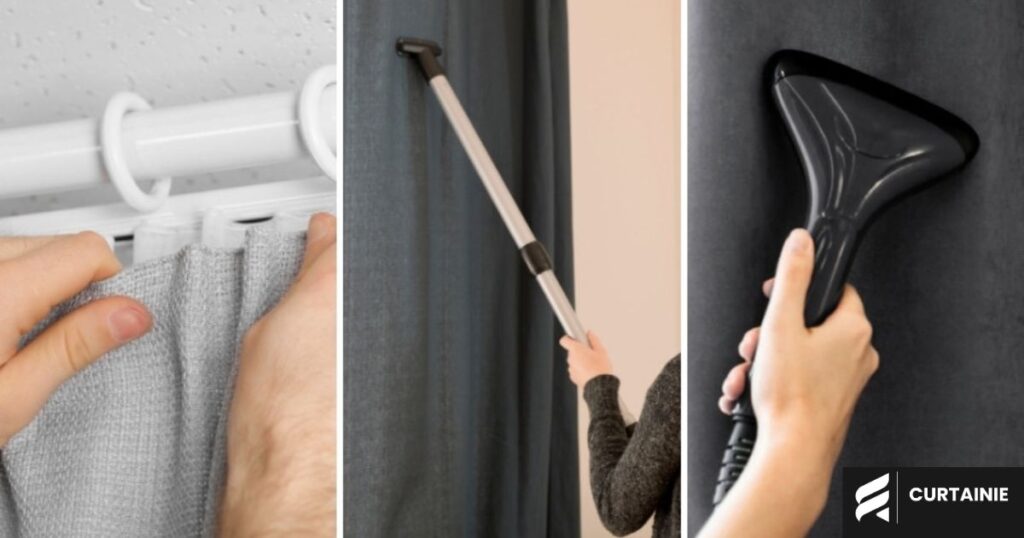
Step 1: Remove the Curtains and Check for Damage
Take the curtains down from the rod or track. Before washing, inspect them for:
- Loose threads or seams that could unravel
- Tears or holes that could worsen in the machine
- Stains that may need pre-treatment
- Hooks, rings, or pins — always remove all hardware before washing
Step 2: Shake Out and Pre-Treat Stains
Take the curtains outside and give them a good shake to remove loose dust. If there are visible stains — grease, mold spots, or watermarks — apply a small amount of liquid detergent or a stain remover directly to the area and gently rub it in. Let it sit for 10–15 minutes before washing.
Step 3: Fold the Curtains Loosely
Do not stuff curtains tightly into the washing machine. Fold them loosely so water and detergent can circulate freely. If the curtains are very large, consider washing them one panel at a time to avoid overloading the machine.
Step 4: Choose the Right Wash Cycle
Settings matter. Always use:
- Cold water — hot water can cause shrinkage and color fading
- Gentle or delicate cycle — this reduces agitation and protects the fabric
- Low spin speed — high spin can cause wrinkling and stress fabric fibers
For polyester or cotton curtains that are not heavily soiled, a 30°C (86°F) cycle on a gentle setting is ideal.
Step 5: Use the Right Detergent
Use a mild liquid detergent rather than a powder detergent, as powder can leave residue on delicate fabrics. Use the recommended amount — too much detergent can leave curtains stiff and require extra rinsing. Avoid bleach unless the care label specifically allows it, as bleach can weaken fibers and cause yellowing on white fabrics over time.
Step 6: Skip the Fabric Softener (or Use Sparingly)
Fabric softener can leave a coating on curtain fabric that actually attracts more dust over time. If you want your curtains to feel soft, use a small amount or opt for a natural alternative like white vinegar added to the rinse cycle. Vinegar also helps remove musty odors naturally.
Step 7: Remove Promptly and Shake Out Wrinkles
As soon as the cycle ends, remove the curtains immediately. Leaving them in the machine allows wrinkles to set permanently. Give each panel a firm shake to loosen creases before drying.
How to Dry Curtains After Washing
Drying curtains incorrectly is just as damaging as washing them incorrectly. Here are your best options:
Hang Them Back on the Rod While Damp
The easiest and most effective method is to hang curtains back on the curtain rod while they are still slightly damp. The weight of the fabric as it dries naturally pulls out wrinkles, and you avoid the risk of tumble dryer shrinkage. Open windows or turn on a fan to speed up drying.
Air Dry on a Clothesline
For lighter curtains, hanging them on an outdoor clothesline works well. Avoid direct strong sunlight for colored curtains, as UV rays can fade the fabric over time.
Tumble Dryer (with Caution)
If you use a tumble dryer, always use the lowest heat setting or air-only setting. Remove curtains while still slightly damp to prevent over-drying and shrinkage. Add a couple of dryer balls to reduce static and fluffing.
Do Not Wring or Twist
Never wring out curtains to remove water. This distorts the fabric, especially in delicate weaves, and creates permanent creases that are nearly impossible to iron out.
How to Remove Wrinkles from Curtains
Even with careful washing, curtains may come out with some wrinkles. Here is how to deal with them:
- Re-hang while damp — the most effective wrinkle-removal method
- Steam iron on low heat — work from the back of the fabric; never iron directly on the face of delicate fabrics
- Garment steamer — a handheld steamer is the safest option for most curtain fabrics
- Spray with water — lightly mist wrinkled areas and smooth with your hands while hanging
Special Cases: Blackout Curtains, Sheer Curtains, and Lined Curtains
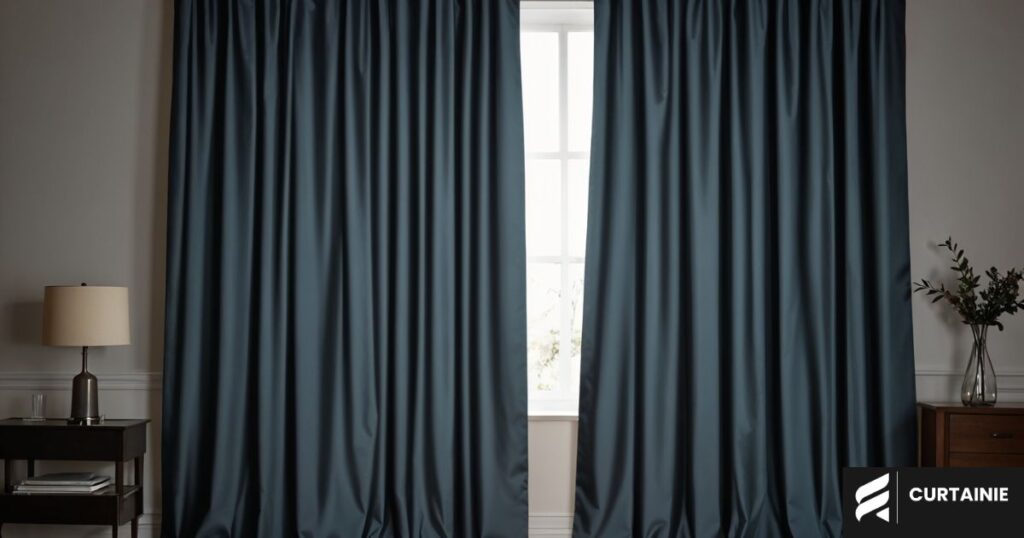
Blackout Curtains
Most blackout curtains have a rubber, foam, or acrylic coating on the back that gives them their light-blocking property. This coating can crack, peel, or bubble if subjected to hot water or high agitation. Always:
- Use cold water only
- Use a gentle cycle
- Air dry — never put in a tumble dryer
- Some blackout curtains may specify dry clean only — always check the label
Sheer Curtains
Sheer and voile curtains are among the easiest to machine wash because they are lightweight. However, they tangle easily. To prevent tangling:
- Place them in a mesh laundry bag
- Use a delicate cycle with cold water
- Remove and hang immediately after washing
Lined Curtains
Curtains with a separate lining can be tricky. The outer fabric and lining may shrink at different rates, causing puckering. If the curtains are dry-clean-only because of their lining, do not attempt machine washing. If machine washing is allowed, wash in cold water on a gentle cycle.
How Often Should You Wash Curtains?
The frequency depends on the room and your household:

| Location | Recommended Frequency |
|---|---|
| Living room | Every 3–6 months |
| Bedroom | Every 3–6 months |
| Kitchen | Every 1–3 months (grease buildup) |
| Bathroom | Every 1–2 months (moisture and mold) |
| Baby’s room | Every 1–2 months |
| Allergy sufferers | Every 4–6 weeks |
In between full washes, you can vacuum curtains using the upholstery attachment on your vacuum cleaner, or use a lint roller to remove surface dust and pet hair.
Common Mistakes to Avoid When Washing Curtains
Many people damage their curtains by making these avoidable errors:
- Ignoring the care label — always read it first, no exceptions
- Using hot water — causes shrinkage and fading in most fabrics
- Overloading the washing machine — leads to poor cleaning and excess wrinkling
- Using too much detergent — leaves residue and stiffens fabric
- High spin cycle — damages fabric fibers and causes deep wrinkles
- Putting curtains in the dryer on high heat — shrinks fabric and damages backing
- Leaving curtains in the machine — wrinkles set permanently
- Forgetting to remove hardware — hooks can tear fabric or damage the drum
Tips for Keeping Curtains Clean Longer
Washing curtains is a chore, but you can reduce how often you need to do it:
- Vacuum regularly — once a month with a soft brush attachment
- Dust the curtain rod and rings — prevents grime from transferring to fabric
- Use an air purifier — reduces airborne dust and allergens that settle on curtains
- Avoid smoking indoors — smoke embeds deeply into fabric fibers
- Keep windows screened — reduces pollen and outdoor dust entering the home
- Choose washable fabrics when buying new curtains to make maintenance easier
Read more:pillow double shower curtain bathroom upgrade
Frequently Asked Questions (FAQs)
Q1: Can I wash all types of curtains in the washing machine?
No. Curtains made of silk, velvet, embroidered fabric, or those with rubber-backed blackout lining usually should not be machine washed. Always check the care label first. If no label is present, hand washing or dry cleaning is the safer choice.
Q2: What temperature should I use to wash curtains?
Cold or lukewarm water — ideally 30°C (86°F) — is best for most curtains. Hot water can cause shrinkage, color fading, and damage to any special backing or coating on the fabric.
Q3: Can I put curtains in the dryer?
Some curtains can go in the dryer on a low heat or air-only setting, but the safest method is to air dry by re-hanging on the rod while slightly damp. Always check the care label before using a dryer.
Q4: How do I prevent curtains from shrinking in the wash?
Use cold water, a gentle cycle, and low or no heat when drying. Remove curtains from the machine immediately and hang while damp. Avoid high spin speeds, which can stress and distort fabric fibers.
Q5: How do I get wrinkles out of curtains after washing?
The best method is to re-hang curtains while still slightly damp — gravity pulls out most wrinkles as they dry. You can also use a garment steamer or a cool iron on the reverse side of the fabric.
Conclusion
So, can you wash curtains in the washing machine? Absolutely — for most curtain types, the washing machine is a perfectly safe and effective cleaning method, provided you follow the correct steps. The key is to always check the care label, use cold water on a gentle cycle with a mild detergent, and hang the curtains to air dry while still slightly damp. Avoid hot water, high spin speeds, and overloading the machine.
Curtains made of cotton, polyester, nylon, and most blended fabrics are excellent candidates for machine washing. Silk, velvet, heavily embellished, and rubber-backed blackout curtains require more caution and may need professional dry cleaning.
With regular washing — whether machine or hand — your curtains will look fresher, last longer, and contribute to a healthier home environment. Clean curtains really do make a visible difference in how clean and bright a room feels overall.