
Windows bring beautiful natural light into our homes, but they are also prime zones for moisture buildup. When warm indoor air meets a cold windowpane, condensation forms. If your curtains absorb this moisture, they become a breeding ground for mold.
Mold on curtains is more than just an ugly aesthetic problem; it is a serious household issue that compromises your indoor air quality and threatens your health. Mold spores can trigger allergies, cause respiratory irritation, and damage fabric permanently if left untreated. According to the Environmental Protection Agency (EPA), controlling indoor moisture is the single most critical step in preventing mold growth.
Taking care of this issue quickly keeps your living space fresh, healthy, and visually appealing. This comprehensive, step-by-step guide will show you exactly how to safely remove mold from your curtains and prevent it from returning.
1. Understanding the Enemy: Why Mold Grows on Curtains
Mold thrives in environments that offer three specific elements: moisture, warmth, and organic material to feed on (like dust or natural fabric fibers).
Curtains are highly susceptible to mold because they sit at the intersection of temperature changes.
- Condensation: During colder months, windows sweat. Curtains touch this damp glass and absorb water.
- Lack of Airflow: Heavy drapes often trap stagnant air behind them, creating a humid microclimate.
- Dust Accumulation: Dust acts as a food source for mold spores floating in the air.
Identifying mold early is crucial. Look out for fuzzy black, green, or grey patches, or a distinct, musty odor near your windows.
2. Pre-Treatment Preparation: Safety First
Before you begin cleaning, you must protect yourself and your home from spreading mold spores. When you disturb mold, millions of microscopic spores become airborne, which can easily be inhaled or settle onto other surfaces.
Essential Safety Gear
- N95 Respirator Mask: Protects your lungs from inhaling toxic spores.
- Rubber Gloves: Keeps your skin safe from both mold and harsh cleaning chemicals.
- Safety Goggles: Prevents eye irritation from spores or cleaning splashes.
Setting Up the Work Space
Always remove and treat your curtains in a well-ventilated area—ideally outdoors. If you must work indoors, open all windows and run an exhaust fan blowing outwards. Keep children and pets away from the cleaning area.
3. Step-by-Step Guide: How to Remove Mold from Washable Curtains
If your curtains are made of machine-washable fabrics like cotton, polyester, or nylon, you can clean them effectively at home using this detailed process.
Step 1: Dry Brushing (Outdoors)
Take the curtains outside. Use a stiff-bristled brush to gently scrub away the loose, dry mold crust.
Pro Tip: Brush away from your face and downwind so the spores blow away from you.
Step 2: Spot Treatment for Stains
Mold leaves stubborn stains behind. Before throwing them in the machine, apply a targeted pre-treatment solution directly to the affected spots.
- For White Curtains: Mix 1 part hydrogen peroxide with 3 parts water, or use a diluted bleach solution. Apply to the stain and let it sit for 15 minutes.
- For Colored Curtains: Mix equal parts lemon juice and table salt to form a paste. Rub it onto the stain. The natural acid breaks down the mold without bleaching the fabric color.
Step 3: The Machine Wash Cycle
Place the curtains in the washing machine. To kill mold spores effectively, the water temperature needs to be hot.
- Temperature: Wash at 140°F (60°C) if the fabric care label permits. This temperature is scientifically proven to eliminate fungal spores.
- Detergent Boosters: Add 1 cup of white vinegar to the rinse cycle. Vinegar contains acetic acid, which kills roughly 82% of mold species. Alternatively, you can add 1/2 cup of borax directly to the drum.
Step 4: Line Drying in the Sun
Never put mold-treated curtains into a clothes dryer until you are 100% sure the mold is completely gone. The high heat of a dryer can permanently set remaining mold stains. Instead, hang the curtains outside in direct sunlight. Ultraviolet (UV) rays from the sun act as a natural disinfectant that destroys any surviving fungal traces.
4. How to Clean Non-Washable and Delicate Curtains
Delicate fabrics like silk, velvet, wool, or complex brocades will shrink, warp, or ruin if placed in a washing machine. They require a gentler touch.
Method A: The Rubbing Alcohol Spray (For Silk and Velvet)
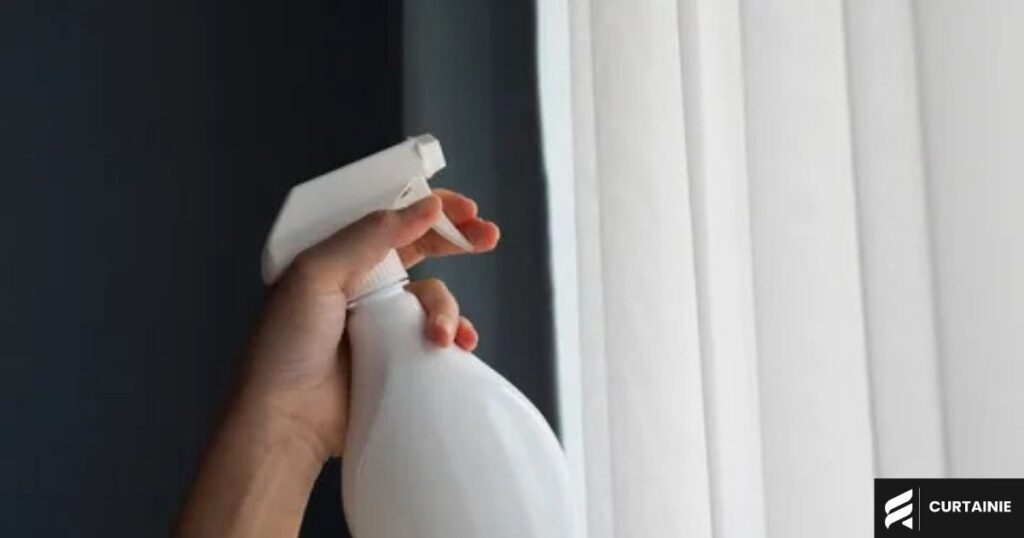
- Mix equal parts isopropyl rubbing alcohol and water in a spray bottle.
- Test a small, hidden corner of the curtain first to ensure the color doesn’t bleed.
- Lightly mist the moldy areas. Do not soak the fabric.
- Use a clean, dry microfiber cloth to gently blot the mold away.
- Use a handheld hair dryer on the cool setting to dry the fabric rapidly.
Method B: Professional Dry Cleaning
If the mold infestation covers more than 10 to 20 percent of a delicate curtain panel, it is safest to take it to a professional dry cleaner. Inform the cleaner explicitly that the fabric has mold so they can use the proper chemical treatments (such as specialized solvents) to neutralize it safely.
5. Natural vs. Chemical Remedies: A Comparative Look
Different cleaning agents offer varying levels of effectiveness depending on the severity of your mold problem.
| Solution | Best Used For | Pros | Cons |
| White Vinegar | Light to moderate mold | Eco-friendly, safe for colors, completely non-toxic | Leaves a temporary strong smell |
| Baking Soda | Odor removal & light scrubbing | Deodorizes perfectly, gentle on fibers | May leave a white residue if not rinsed well |
| Hydrogen Peroxide | Stubborn stains | Excellent alternative to bleach, lifts dark spots | Can slightly fade highly sensitive dyes |
| Chlorine Bleach | Severe mold on stark white drapes | Unmatched killing power, eliminates dark stains | Harsh fumes, destroys colored fabrics, weakens fibers over time |
6. Proactive Strategies to Prevent Mold from Returning
Cleaning the mold is only half the battle. If you don’t fix the underlying environment, the mold will return within weeks. Implement these preventative habits to keep your drapery clean and dry:
- Manage Indoor Humidity: Keep your home’s relative humidity level between 30% and 50%. You can monitor this easily using a cheap digital tool called a hygrometer.
- Use Dehumidifiers: Place a dehumidifier near windows that experience heavy condensation, especially during winter months.
- Improve Airflow: Keep your curtains pulled open a few inches away from the wall during the day to allow air to circulate behind the fabric. Run ceiling fans to keep indoor air moving.
- Wipe Windows Daily: Make it a habit to wipe down wet window glass and sills every morning with a dry microfiber cloth.
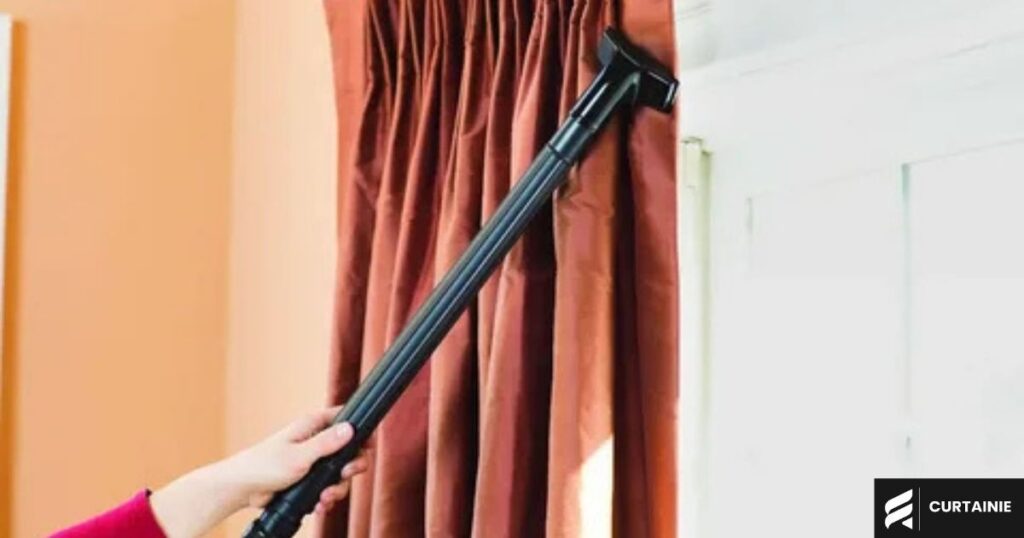
- Regular Vacuuming: Dust your curtains once a week using the brush attachment on your vacuum cleaner to remove the organic material that mold feeds on.
Read More ; removing mould from curtains
Frequently Asked Questions (FAQs)
- Can I use regular bleach on colored curtains to remove mold? No, regular chlorine bleach will ruin the dye and leave permanent white spots on colored fabrics.
- How often should I wash my curtains to prevent mold growth? You should aim to wash or deeply clean your curtains at least twice a year to remove dust and spores.
- Will washing curtains at a cold temperature kill mold spores? No, water temperatures must reach at least 140°F (60°C) to successfully kill active mold spores.
- Is it safe to vacuum mold off curtains while they are hanging? No, vacuuming loose mold indoors releases spores into your living space and spreads the contamination.
- When should I throw away moldy curtains instead of cleaning them? If the fabric is structurally rotting, tearing easily, or completely covered in black mold, it is safer to discard them.
7. Conclusion
Dealing with mold on your curtains requires a swift and systematic approach to keep your home healthy. By identifying the root cause of the moisture, selecting the correct cleaning method for your specific fabric type, and utilizing natural or chemical disinfectants correctly, you can completely salvage your window treatments. Moving forward, maintaining low indoor humidity and ensuring proper airflow will guarantee that your curtains stay fresh, bright, and mold-free for years to come.