

When it comes to weekly household chores, most of us have a reliable routine. We scrub the kitchen counters, vacuum the living room rug, wash our bedsheets, and disinfect the bathroom sink and toilet. However, there is one crucial item in the bathroom that frequently goes completely unnoticed, despite being exposed to water, body oils, and soap scum every single day: the shower curtain.
Your shower curtain is much more than a decorative bathroom accessory or a simple barrier to keep water off your tile floor. It acts as the frontline defense in one of the most humid and moisture-dense environments in your home. Over time, this constant exposure to heat and dampness transforms your pristine curtain into a thriving ecosystem for bacteria, mold, and mildew. If you have been pulling back the same shower curtain liner for over a year without giving it a second thought, it is time to reevaluate.
In this comprehensive guide, we will explore exactly how often you should change your shower curtain, the hidden health risks of ignoring it, how to properly maintain it, and the environmental factors that dictate its lifespan.
The Hidden Ecosystem in Your Bathroom
To understand why replacing your shower curtain is so important, you first need to understand the science of your bathroom environment. Bathrooms are notoriously warm and humid, which creates the absolute perfect breeding ground for microscopic organisms.
Every time you take a hot shower, the room fills with steam. As you wash, dead skin cells, natural body oils, and the residue from your soap and shampoo splash onto the curtain. This combination of moisture, warmth, and organic matter serves as an all-you-can-eat buffet for microbes.
What is Actually Growing on Your Curtain?
- Black Mold and Mildew: Fungi thrive in damp, dark places. If your curtain remains bunched up and wet between showers, microscopic mold spores will begin to take root in the folds.
- Serratia Marcescens: Have you ever noticed a slimy pink or light orange film building up along the bottom edge of your shower liner or the grout lines of your tub? This is not hard water stain or rust; it is an airborne bacterium called Serratia marcescens. It feeds on the fatty deposits found in soap and shampoo.
- General Bacteria: Swab tests on old, unwashed shower curtains have consistently revealed various strains of bacteria, including those that can cause minor skin infections or respiratory irritation.
For individuals with asthma, allergies, or compromised immune systems, standing in an enclosed shower breathing in airborne mold spores and bacteria can trigger coughing, wheezing, red eyes, and skin rashes. Maintaining curtain hygiene is not just about aesthetics; it is about preserving your indoor air quality and respiratory health.
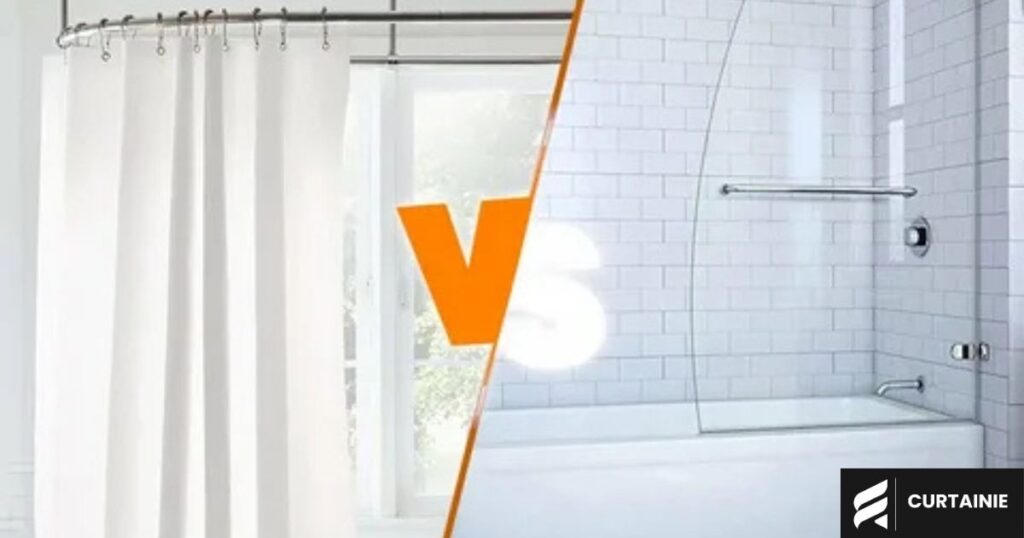
Shower Liners vs. Outer Curtains: Understanding the Difference
Before establishing a replacement schedule, it is vital to distinguish between the two distinct parts of a standard American shower setup. They serve different purposes, are made of different materials, and therefore have entirely different lifespans.
- The Inner Liner: This is usually made of plastic, vinyl, or PEVA (polyethylene vinyl acetate). It hangs inside the bathtub or shower pan to catch the water directly. Because it takes the brunt of the water and soap splashes, it degrades much faster.
- The Outer Curtain: This is typically made of woven fabrics like cotton, linen, or polyester. It hangs outside the tub purely for decorative purposes and privacy. It absorbs ambient steam but rarely gets drenched in soapy water.
The Golden Rule: How Often Should You Replace Them?
There is a significant difference between cleaning a curtain and outright replacing it. While regular washing will extend the life of your materials, they will eventually break down. Here is the industry-standard timeline for replacement:
Replacing the Inner Plastic or PEVA Liner
You should replace your inner shower liner every 6 months.
Even if you wash your liner regularly, plastic and PEVA materials naturally degrade over time. Constant exposure to hot water, hard water minerals, and cleaning chemicals causes the plastic to become stiff and brittle. Once the plastic loses its flexibility, microscopic cracks form on the surface. These tiny fissures become impossible-to-clean hiding spots for bacteria and mold. If you are extremely diligent about washing your liner once a month, you might stretch its lifespan to 8 or 9 months, but half a year is the safest benchmark.
Replacing the Fabric Outer Curtain
You should replace your fabric outer curtain every 1 to 2 years, or simply when it becomes damaged.
Because fabric curtains do not sit in puddles of water, they last significantly longer. As long as you are washing your fabric curtain every few months to remove dust, pet dander, and dried moisture, it can last for a very long time. You generally only need to replace the outer curtain when the fabric frays, the colors fade from washing, or you simply want to update your bathroom decor.
Factors That Influence Your Replacement Schedule
The “six-month rule” is a great baseline, but your specific household dynamics might require you to change your liner more or less frequently. Consider the following variables:
1. Household Size and Shower Frequency
A single person living alone taking one shower a day produces significantly less moisture than a family of five sharing a single bathroom. In a busy household where the shower is used back-to-back, the curtain never gets a chance to fully dry out. If you have a high-traffic bathroom, you may need to replace the liner every 3 to 4 months.
2. Bathroom Ventilation
Proper airflow is the enemy of mold. If your bathroom has a powerful exhaust fan that vents directly outside, or a large window that you leave open after showering, your curtain will dry rapidly. Conversely, if you live in an older apartment with no fan and a tiny, windowless bathroom, moisture will linger for hours, drastically shortening the lifespan of your curtain.
3. Climate and Geography
If you live in a naturally dry climate like Arizona or Nevada, ambient moisture evaporates quickly. However, if you live in a highly humid region like Florida or Louisiana, the air is already saturated with moisture. Bathrooms in humid climates require much stricter curtain maintenance and more frequent replacements.
4. Hard Water Levels
More than 80% of homes in the United States have hard water, which contains high levels of calcium and magnesium. Hard water reacts with soap to create a thick, sticky soap scum that clings aggressively to plastic liners. This thick scum provides a rich food source for bacteria and is notoriously difficult to wash off, leading to quicker liner degradation.

Red Flags: Signs You Need to Toss Your Curtain Immediately
Sometimes, you should not wait for the six-month mark. If you notice any of the following warning signs, take down your curtain and throw it in the trash right away:
- Persistent Musty Odors: If your bathroom constantly smells like a damp basement or wet gym socks, even after you have scrubbed the toilet and floors, the smell is deeply embedded in the plastic of your shower liner.
- Irremovable Black Mold: If you wash your liner and there are still dark black or deep green spots clustered near the bottom hem or around the metal grommets at the top, the mold has permanently stained and compromised the material.
- Heavy Pink Staining: While light pink slime (Serratia marcescens) can sometimes be washed off, heavy, baked-on orange or brown staining usually means the plastic is permanently discolored.
- Stiff, Crunchy Plastic: If the bottom foot of your liner feels stiff, brittle, or crunches when you fold it, the material has structurally failed. It will no longer drape properly and will harbor germs.
Choosing the Right Replacement Material
When it is finally time to buy a new curtain, your choice of material impacts both your health and how long the curtain will last.
The Problem with PVC (Polyvinyl Chloride)
For decades, standard shower liners were made of PVC. When you open a brand new PVC liner, you will likely notice a strong, sharp “new car” chemical smell. That odor is the off-gassing of Volatile Organic Compounds (VOCs), which can cause headaches, nausea, and respiratory irritation in poorly ventilated spaces. Furthermore, PVC is incredibly difficult to recycle and releases toxins when manufactured.
The Better Alternative: PEVA or EVA
Today, the best standard option is PEVA (polyethylene vinyl acetate) or EVA. These materials are non-chlorinated vinyls. They are completely odorless, do not off-gas toxic VOCs, and are naturally more resistant to mildew. Always look for a liner that specifically advertises itself as “100% PEVA” or “PVC-Free.”
Fabric Liners (Nylon or Polyester)
Some homeowners are ditching plastic altogether in favor of tightly woven, water-repellent fabric liners (often used in upscale hotels). While they do not repel water as perfectly as plastic, they are highly durable, machine washable, and can last for years, making them the most eco-friendly choice.
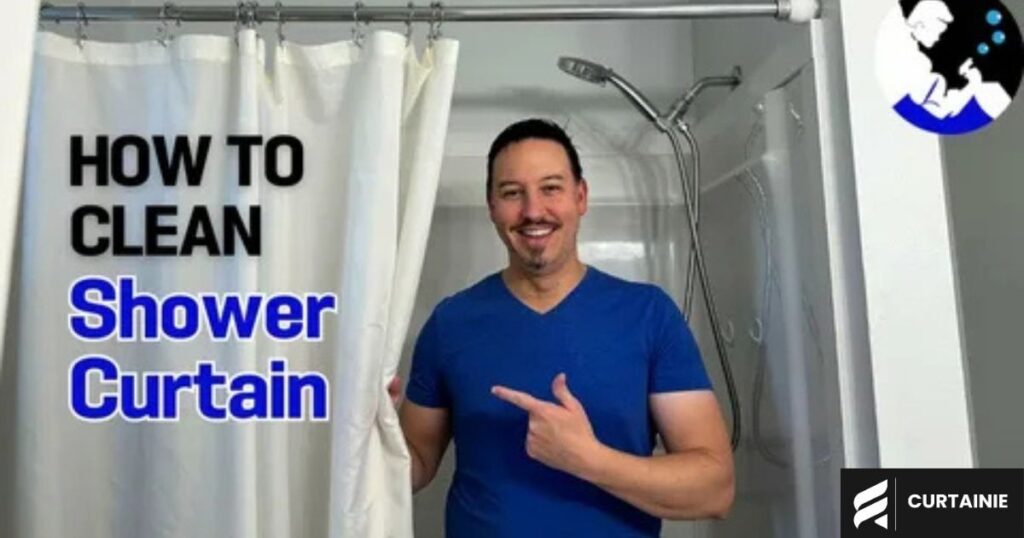
How to Clean Your Shower Curtain to Maximize Its Lifespan
Throwing away a liner every month is wasteful and expensive. To ensure your liner makes it to the 6-month mark in pristine condition, you must clean it regularly.
The Washing Machine Method (Once a Month)
You can absolutely wash plastic and PEVA liners in the washing machine.
- Remove the curtain and liner from the shower rings.
- Load the machine with the liner and two old bath towels. The rough texture of the towels acts as a gentle, abrasive scrubber to naturally rub the soap scum off the plastic during the wash cycle.
- Add your standard laundry detergent along with half a cup of baking soda to help lift stains and neutralize odors.
- Wash on a warm (not hot), gentle cycle.
- Air Dry Only. Never put a plastic or PEVA liner in the dryer, as it will melt and ruin your machine. Simply hang the wet liner back on the shower rod, spread it out, and let it drip dry.
The Daily Spray Method
To prevent buildup between monthly washes, keep a small spray bottle filled with a 50/50 mixture of water and white vinegar in your bathroom. After you finish showering, quickly mist the bottom half of the liner. The mild acidity of the vinegar breaks down alkaline soap scum and creates an inhospitable environment for mold spores.
Simple Daily Habits for a Healthier Shower
Beyond regular washing and replacing, a few small daily habits can dramatically improve the hygiene of your bathroom.
- Spread the Curtain Shut: Never leave your shower curtain pushed to one side after bathing. Always pull it completely closed across the length of the tub. This eliminates overlapping folds where moisture gets trapped and allows the entire surface area to dry evenly.
- Trim the Bottom Hem: If your plastic liner is too long, the bottom will bunch up and sit in small puddles of water on the floor of the bathtub. Use a pair of scissors to trim the bottom of the liner so it hangs straight down, hovering just a fraction of an inch above the tub floor.
- Run the Exhaust Fan: Always turn on your bathroom exhaust fan before you step into the shower, and leave it running for at least 20 to 30 minutes after you get out to pull the lingering humidity out of the room.
Read More ; how often you should change out your shower curtain
FAQs
Can I put my plastic shower liner in the dryer to dry it faster?
No, the heat from a dryer will melt the plastic and permanently damage both the liner and your appliance.
What is the pink slime at the bottom of my shower curtain?
The pink slime is an airborne bacterium called Serratia marcescens that feeds on the residue left behind by soap and shampoo.
Are fabric shower liners better than plastic ones?
Fabric liners are more eco-friendly, machine-washable, and last longer, but they may require more frequent washing than plastic to prevent mildew.
Is it safe to use bleach to clean a moldy shower curtain?
While bleach kills mold, it can deteriorate plastic liners quickly; white vinegar is a safer, highly effective alternative.
Why does my new shower curtain smell like harsh chemicals?
That chemical smell is the off-gassing of Volatile Organic Compounds (VOCs) from traditional PVC plastic, which is why you should buy PEVA liners instead.
Conclusion
Your bathroom is meant to be the cleanest room in your house, the place where you go to refresh and wash away the grime of the day. Do not let a neglected, microbe-infested shower curtain compromise that environment. By understanding the difference between your outer curtain and inner liner, committing to a monthly washing routine, and replacing your plastic PEVA liner every six months, you can drastically reduce indoor allergens, prevent unsightly mold, and keep your bathroom looking and smelling exceptionally fresh.